A short visit to Stone Town

My mother and I initially planned our trip to Zanzibar as a leisurely beach vacation with minimal exploration in mind. Our main focus was to unwind, enjoy good food, and soak up the sun. Considering my mother’s recent health issues, we opted for a more relaxed itinerary. Moreover, after encountering an abundance of seaweed during our previous visit to the Dominican Republic, we were particularly eager to enjoy a pristine beach. Consequently, we chose not to schedule any excursions and instead focused on leisurely walks to discover the offerings of Kendwa and its surroundings.

However, as our time in Kendwa progressed, I began to feel a sense of missed opportunity in not visiting the renowned Stone Town. Despite receiving mixed reviews, an inner curiosity compelled me to personally explore its wonders. After expressing my desire to visit Stone Town on several occasions, my mother proposed a solution: we could incorporate a visit on our way to the airport, as it was conveniently located in proximity. Conversely, Kendwa required a lengthier drive of approximately one hour and twenty minutes, making my mother hesitant about sacrificing a whole day for transit purposes.

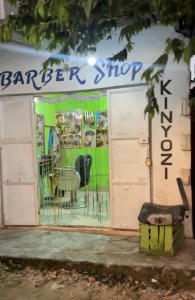
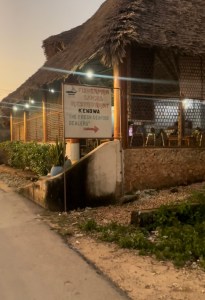
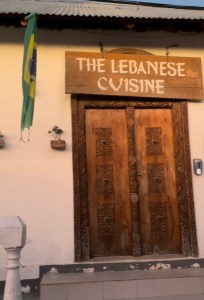
With this in mind, I contacted various airport transfer companies, negotiating a slightly higher fee to include a stop at Stone Town en route to the airport. Though our time there was limited to around thirty minutes, we were still able to catch a glimpse of the town’s charm and appreciate it, even if only for a short while. Given my personal preference, I did not prioritize museum visits, focusing instead on wandering through the captivating streets adorned with their iconic doors and strolling along the picturesque waterfront promenade. This short visit to Stone Town was truly enriching. The narrow streets had a charming atmosphere, and I took the chance to capture some photos of the famous Stone Town doors. However, it is worth noting that the town can be bustling, with locals approaching visitors to offer their wares or services as guides. Politely informing them of our limited time, we were able to explore at our own pace. The town was home to several welcoming restaurants, offering delightful outdoor dining choices. The old part of Stone Town had a nostalgic charm that reminded me of historic European towns, while the newer section presented a marked contrast to the poor villages we had encountered earlier.

If you’re considering a visit to Stone Town, I highly recommend it. The town’s fascinating charm and surprising beauty bring an interesting element to any Zanzibar trip. However, unless you have a strong interest in closely examining every door and spending time in museums, staying in Stone Town for three to four days, like some people we met, may not be necessary. Nevertheless, including a visit to Stone Town in your Zanzibar adventure is definitely worth it, providing a captivating contrast to the island’s stunning beaches.

Gold Zanzibar

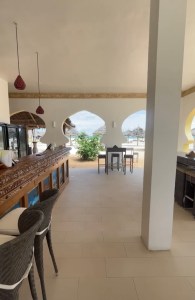
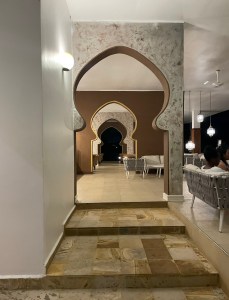
Following our stay at Riu Jambo, we proceeded to our planned second hotel: Gold Zanzibar. This 5-star establishment truly embodied the Zanzibari style, immersing us in the African experience with its fusion of African, Arabic, and contemporary architecture, complemented by African music playing in the background. Distinct from our previous hotel, Gold Zanzibar is not an all-inclusive resort.

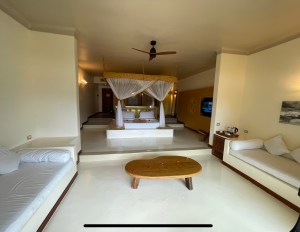
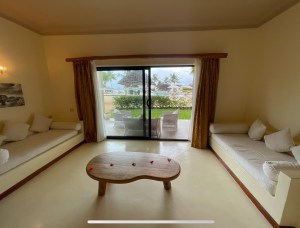
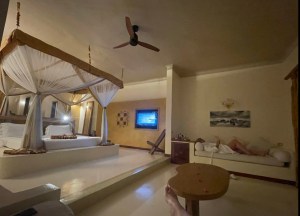
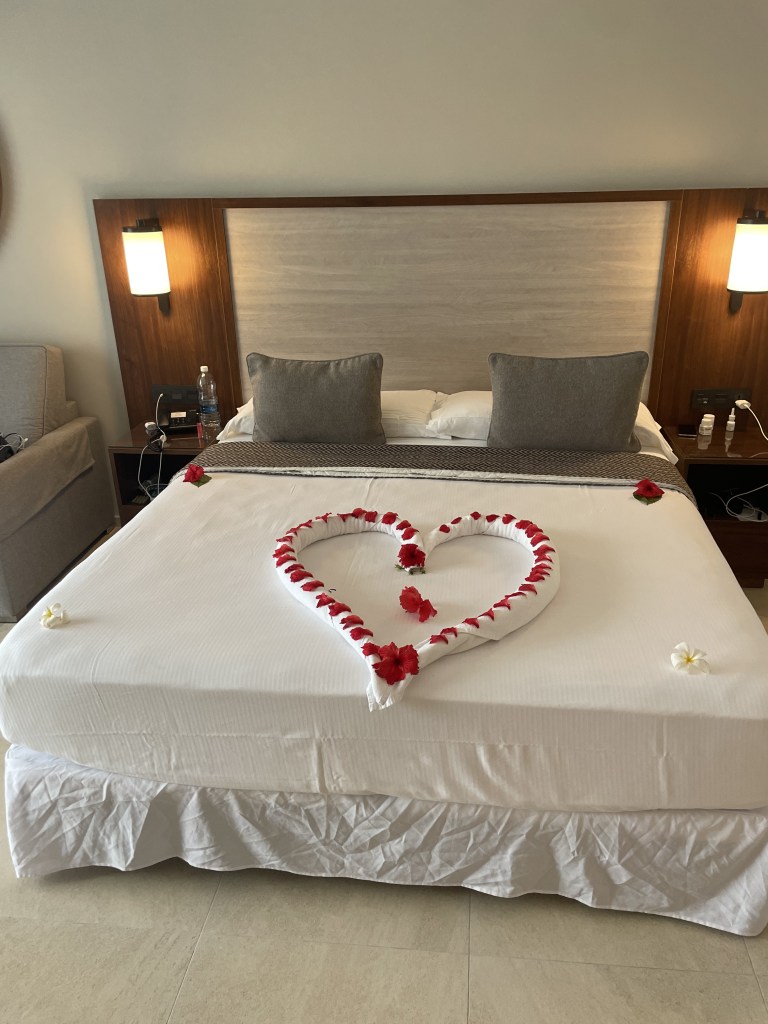
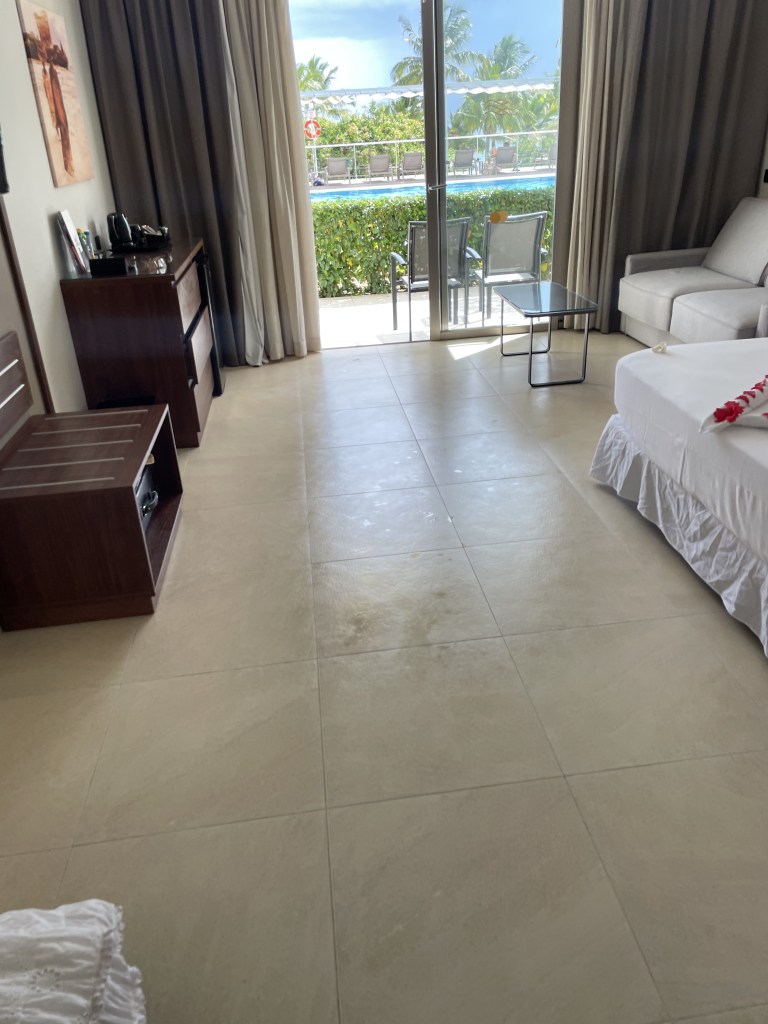
Upon arrival, we were warmly greeted with refreshing towels and welcome drinks. To our delight, we discovered that we had been upgraded to the room of our dreams, a spacious 90-square-meter accommodation with direct pool access. It was an exquisite sight to behold!

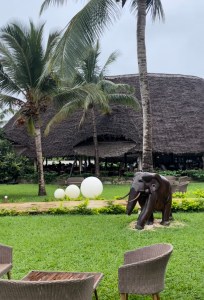
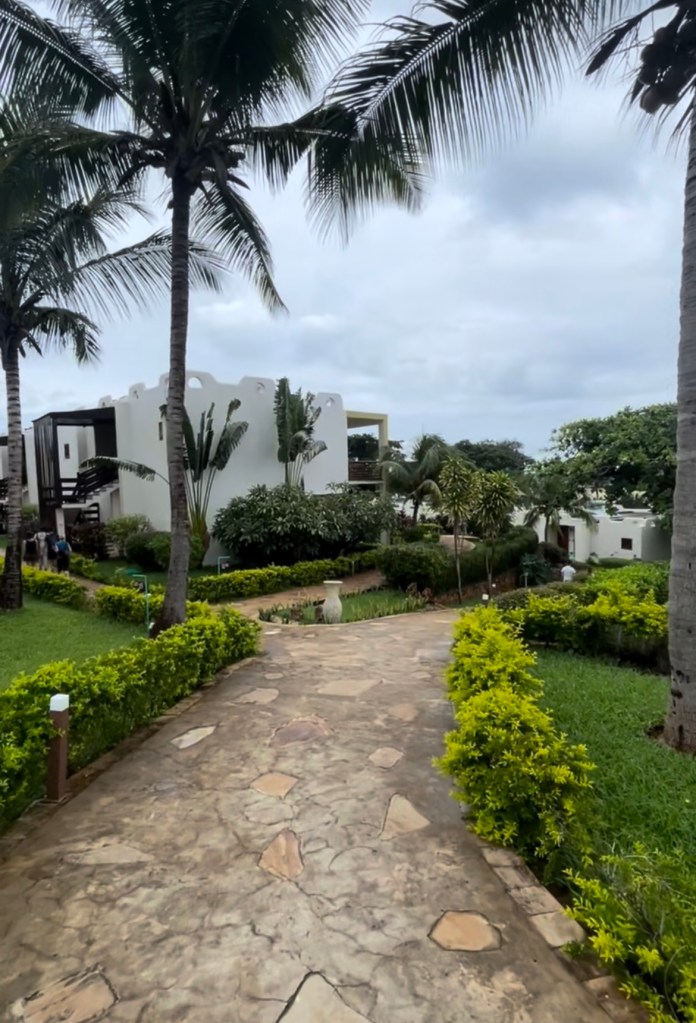
The hotel grounds were equally impressive, adorned with lush greenery, palm trees, and vibrant flowers (although it is worth noting that Riu Jambo also boasted similar natural beauty). The key distinctions between the two hotels lay in Gold Zanzibar’s more pronounced Zanzibari style, its smaller and more serene atmosphere devoid of evening shows (with the exception of a live band during dinner), and its clientele, which seemed to prefer tranquility over indulgence in alcoholic beverages.

I found Gold Zanzibar to be a more luxurious experience overall. While I don’t mean to disregard the quality of Riu Jambo, there were certain aspects that were missing at Riu Jambo (as mentioned in my previous post). The atmosphere at Gold Zanzibar had a distinct and authentic feel, unlike any other hotel I’ve visited. In comparison, Riu Jambo, being a typical Riu property, lacked the true essence of Zanzibar.

Rooms

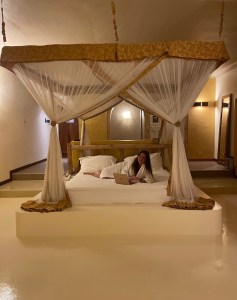
The rooms at Gold Zanzibar were truly remarkable. Our assigned room exuded an authentic African ambiance, immersing us in the local culture. It was exceptionally spacious, measuring around 90 square meters, and featured comfortable seating areas, a grand bathroom with a bathtub and shower, and a canopy bed. The bathtub itself resembled a relic from a bygone era, delivering an extraordinary experience. Every essential amenity was provided, ensuring a luxurious stay. It’s worth noting that the distance from the bed to the bathroom was quite considerable, which may require some extra effort when navigating during the night. Furthermore, our room overlooked the enticing pool, offering a splendid view. While there may have been a higher category of rooms with private swimming pools located directly on the beach, we were genuinely satisfied with the splendid room we received, feeling like royalty from a different era.

Pools

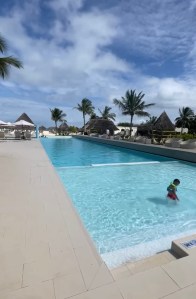
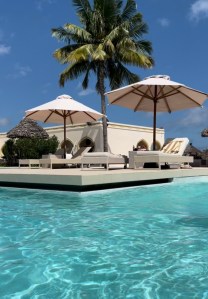
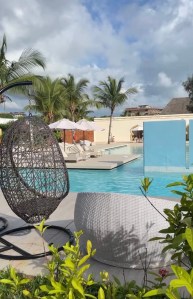
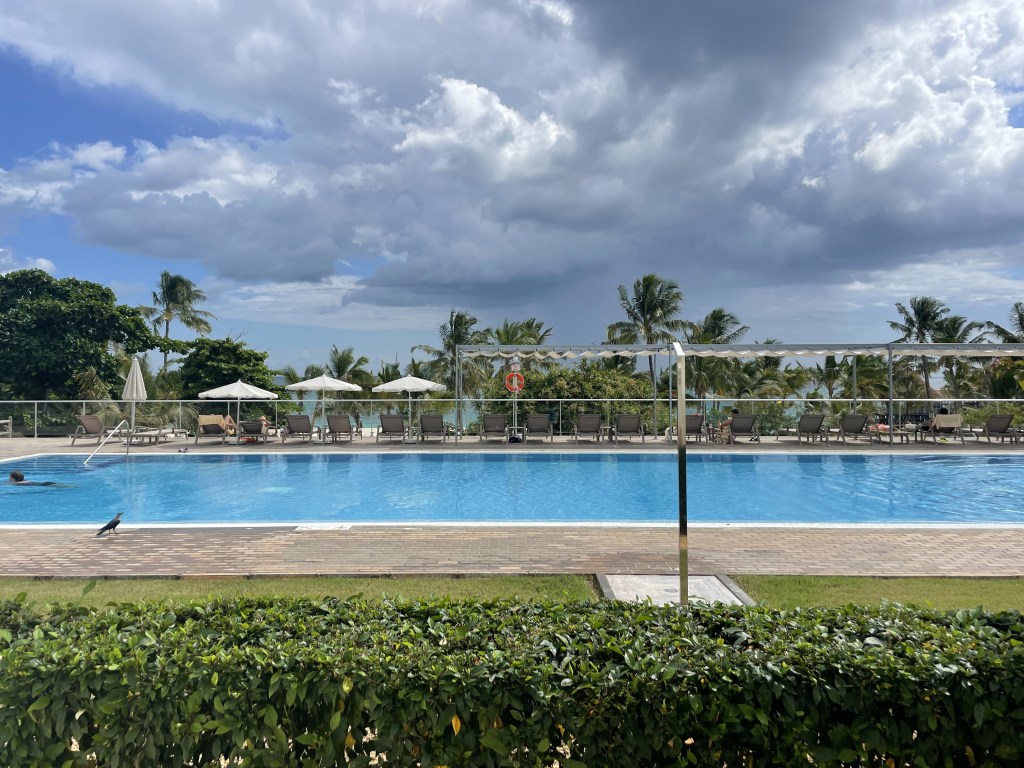
Gold Zanzibar boasted a single, yet impressive, pool situated right in front of the beach. This pool was meticulously designed, featuring various spots with bubbling water and massage elements, enhancing the overall experience. Undoubtedly, the pool served as one of the hotel’s focal points, adorned with elegant loungers and surrounded by a picturesque landscape that exuded luxury, making guests feel like royalty. The showers, cleverly integrated into the natural surroundings, created a whimsical effect, resembling water flowing from trees. One particular aspect I appreciated was the convenience of obtaining fresh beach towels without the need for a cumbersome card system, which often incurs charges for lost cards or towels. At Gold Zanzibar, guests could acquire as many towels as needed, exchange them as desired, and leave them behind. Although some towels were not always pristine, and it was evident that they were due for replacement, I found this system more convenient than constantly carrying a small card and worrying about the towels disappearing.

Location

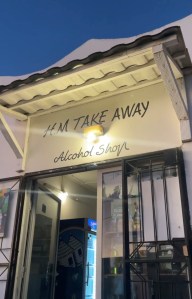
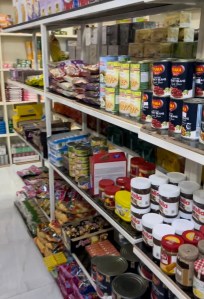
Gold Zanzibar is situated in Kendwa, offering convenient access to several restaurants and shops just beyond its premises. While not extravagant, these establishments provide opportunities to purchase souvenirs and groceries. Surprisingly, there was even a liquor store nearby, as well as a few decent restaurants. However, the nearest ATM was still quite a distance away, particularly considering the village’s heat and terrain. The hotel staff informed us that we could withdraw money at a local store nearby, albeit with a small commission. Unfortunately, the minimum withdrawal amount was $400, which exceeded our needs. Consequently, we ended up giving less in tips during our final days. This is an unfortunate consequence when ATMs have limited availability.

Beach

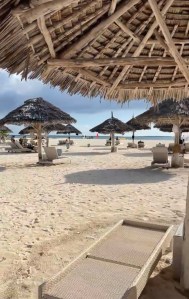
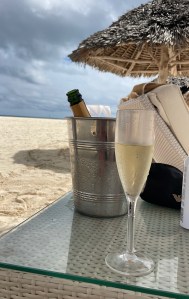
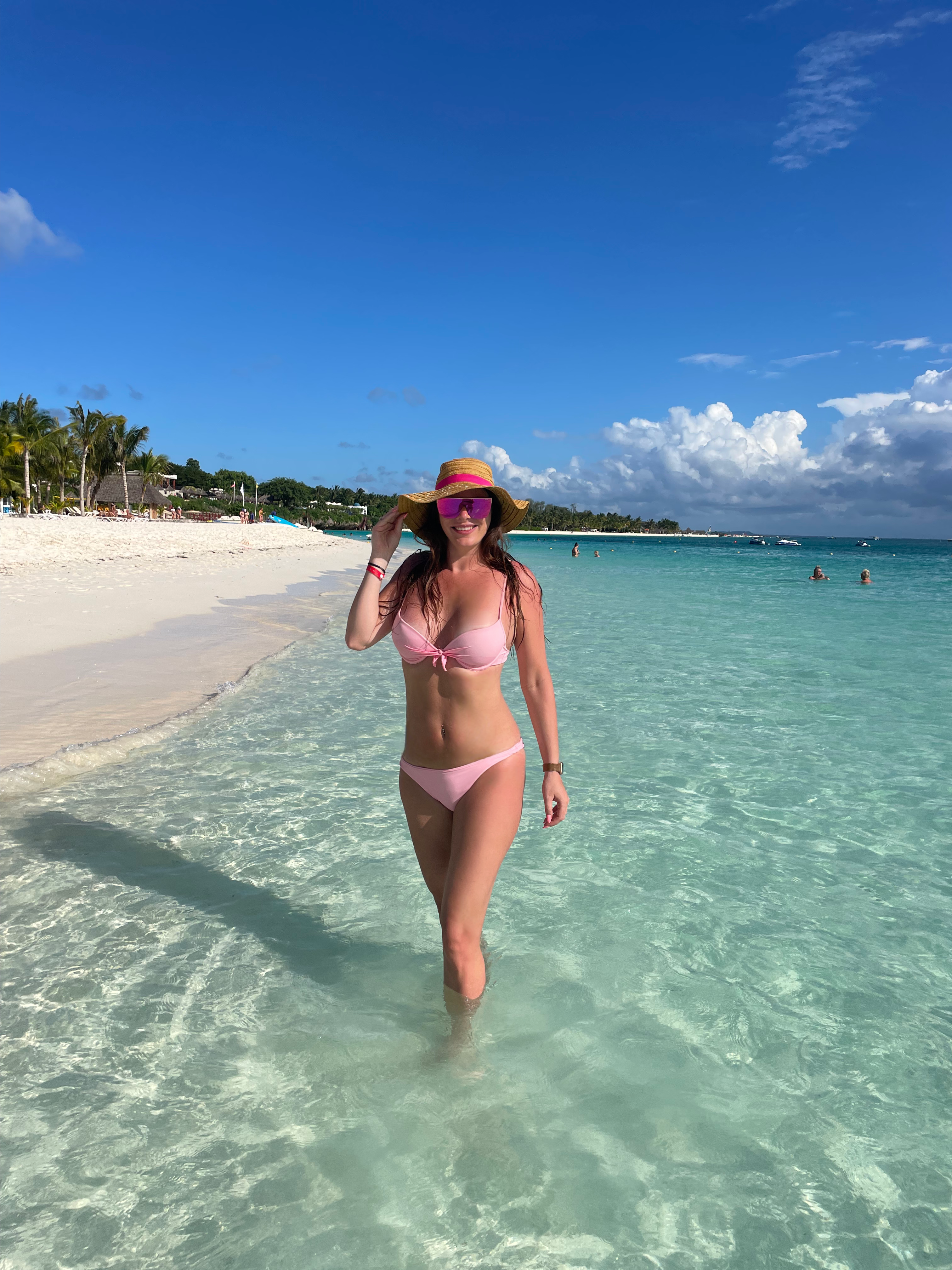
The beach at Gold Zanzibar is none other than the renowned Kendwa Beach, famous for its vast expanse of sand and lively party atmosphere, thanks to the nearby Kendwa Rock Hotel. I had eagerly anticipated visiting this beach, having heard about its beauty and spaciousness. However, there were both positive and negative aspects to consider. Firstly, the beach was indeed very wide, requiring a longer walk to reach the water. This characteristic could be seen as both advantageous and disadvantageous. On the positive side, it meant that vendors did not approach the sun loungers too closely, creating a more peaceful environment. The hotel provided several comfortable sun loungers on the beach, which were even more comfortable than my own bed at home. The beach service was exceptional, with attentive waiters like Stuart who took excellent care of us, preparing delightful passionfruit cocktails tailored to our preferences. The level of service here was truly outstanding. However, one thing that stood out in comparison to Riu Jambo was the absence of palm trees. The palm trees that lined the beach at Riu Jambo added to its idyllic atmosphere, whereas Kendwa Beach, being wider, lacked the same abundance. Nevertheless, the absence of low tides was a positive aspect. If you wished to have a dining experience outside the hotel, you could visit Kendwa Rocks, which is located right next door. Kendwa Rocks offers beachfront dining with a vibrant atmosphere. While it may not match the level of luxury found at Gold Zanzibar, it provides a fantastic opportunity to enjoy a meal with a picturesque sea view. It’s worth noting that Gold Zanzibar also offers a lovely beachfront restaurant, and I will provide more details on that later.

One minor downside was the presence of numerous boats in the water, compromising the view and emitting a strong gasoline smell. Unlike at Riu Jambo, where the boats were positioned farther away, here they made stops and served as departure points for tours, posing potential hazards for snorkeling. I had a snorkeling experience where I realized, upon exiting the water, that a local boat had come dangerously close to me, creating a potential risk. Therefore, I do not recommend snorkeling in this area, although you may have the opportunity to observe beautiful starfish and other sea creatures. It would be beneficial to have some sort of demarcation in the water, separating the swimming area from the boat zone to ensure safety and prevent accidents. I am unsure if the hotel provided any water activities, but neighbouring providers offered plenty of options.

Food and restaurants

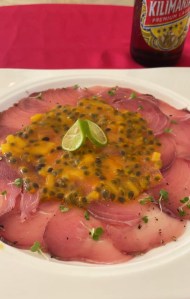
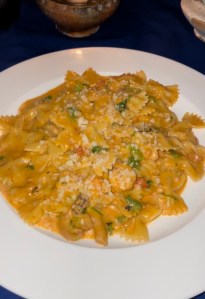
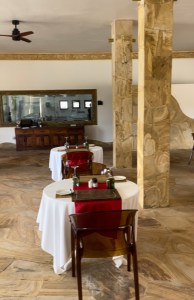
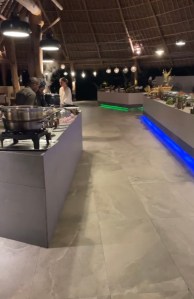
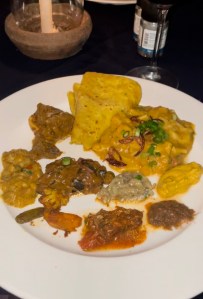
The hotel offers two distinct dining options. The main restaurant, housed in a spacious thatched-roof hut, operates as a buffet-style eatery. On our first day, coincidentally a Saturday, a renowned Mauritian chef treated us to a delightful showcase of Mauritian and Indian cuisine, resulting in a truly memorable dining experience. The selection was impressive, featuring freshly prepared tuna steaks, beef steaks, octopus, large shrimps, crabs, and an assortment of pasta dishes. One highlight was the mouthwatering tuna tartare mixed with avocado, prepeared right in front of us.

We later discovered a separate chilled room dedicated to delectable desserts and starters, which regrettably we overlooked the first day. The array of options was extensive, and the flavors were exceptionally satisfying.

During dinner, a live band played, adding a pleasant atmosphere to the dining experience. While their performances varied in quality, it was always enjoyable to have live music as an accompaniment, adding a touch of vibrancy to the atmosphere.

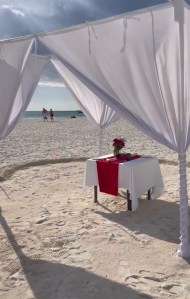
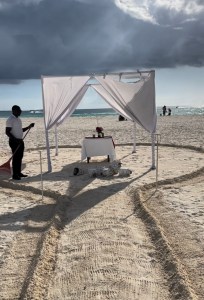
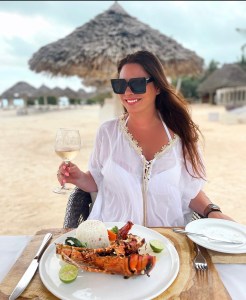
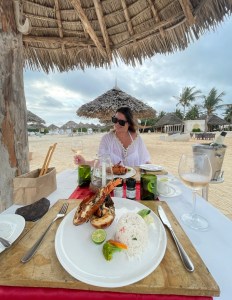
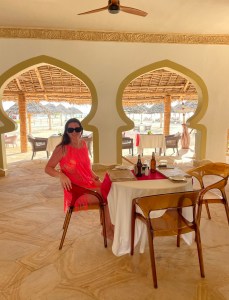
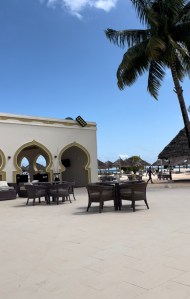
The beachside restaurant, nestled within a building featuring a roof but no windows or walls, offered a stunning view of the beach on one side and the pool on the other. Whether we chose to dine inside the sheltered space or opt for a table on the sandy outdoors, the experience was simply delightful. Additionally, the beachside restaurant offered the option of exclusive paid tables set up on the sandy shore, complete with charming curtains and other romantic elements. However, for us, a simple table on the sand with a view of the beach and sea was more than sufficient.

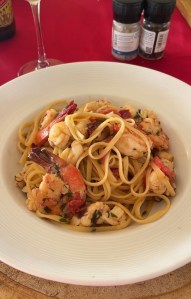
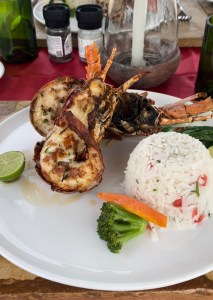
The pasta with shrimps was a standout dish, as it was generously filled with plenty of shrimps, unlike some places in Warsaw where only three shrimps are served with the dish. The grilled lobster was also outstanding, although I personally prefer boiled lobster. The dish was undeniably flavorful, and the accompanying rice and tasty sauce complemented it perfectly. I was pleasantly surprised. To top it off, we enjoyed a glass of rosé wine, elevating our dining experience to new heights.

Bars and evening entertainment

The hotel had two bars, each with its own distinct style. The first bar had an Arabic design, evoking memories of Oman. The second bar, located next to the main restaurant, combined Arabic and Zanzibari influences. Nonetheless, it was a beautiful space with its unique blend of styles, including TVs for sports viewing and a selection of books for reading. During dinner, a live band entertained guests with a mix of music genres. We particularly enjoyed their African tunes but found the atmosphere and quality changed when they switched to Abba and American songs. Surprisingly, they even played “Haba Haba” by Stella Mwangi, a Norwegian Eurovision song with the singer having Kenyan roots, which explained why I wasn’t that surprised after all. We preferred the African music, especially at the beach bar where modern African tracks played throughout the day. The beach bar offered fantastic cocktails and a stunning view of the pool and beach. While the evenings were generally quiet, there was a scheduled white party during the full moon. Unfortunately, we missed it because we assumed it was canceled due to the rain. It was a shame to learn later that the party actually took place once the rain stopped, and we regretted not attending

Service

Regarding the service at this hotel, I am generally pleased with the level of attentiveness. From the moment we arrived and received a room upgrade, we felt well taken care of. Stuart, the diligent waiter/bartender at the beach, provided exceptional service. However, at the restaurant, while our primary waitress was pleasant and attentive, there were instances where other staff members didn’t meet the same standard. When comparing the staff to that of Riu Jambo, with the exception of the exceptional individuals mentioned earlier, I must admit that the service at Riu Jambo was superior. The visible appreciation for tipping that I noticed at Riu Jambo wasn’t as apparent here, possibly due to a larger presence of American guests (although I didn’t come across many) or because cash payments are more common in a non-all-inclusive hotel setting. However, it was observed that most guests opted to charge their expenses to their room. It’s important to note that these are minor differences and they didn’t detract from my overall experience. Despite these observations, the hotel still exuded a sense of luxury that surpassed that of Riu Jambo.

Summary

In summary, our stay at Gold Zanzibar was a truly luxurious and authentic experience. From the warm welcome and room upgrade to the remarkable African-themed rooms and stunning pool, every aspect of the hotel exuded luxury and attention to detail. The beach, while lacking palm trees, provided comfortable loungers and exceptional beach service, creating a peaceful and enjoyable atmosphere. The dining options, including the buffet-style restaurant and beachside eatery, offered a wide selection of delicious dishes and the added touch of live music. Although there were minor differences in service compared to our previous hotel, Gold Zanzibar’s overall sense of luxury and genuine Zanzibari style made it a standout experience.

Riu Jambo

The Riu Jambo, an all-inclusive resort, stands as a contemporary and newly constructed establishment. While there were indications that some parts may have previously been a part of Riu Palace, the overall impression is one of a brand new property. The grounds are beautiful, enriched with lush greenery, and the vibrant plants appear so vividly green that they almost appear artificial. However, the hotel may not convey a distinct Zanzibari ambiance. It feels more similar to any other Riu hotel found in destinations like the Dominican Republic or Jamaica. Therefore, if you are looking for an authentic Zanzibari experience, the hotel’s atmosphere may not provide this. Nevertheless, the staff members, naturally, are Tanzanian/Zanzibari, and there is a large presence of vendors, including the Maasai, which is a unique aspect not commonly observed in other destinations.

The hotel, despite being rated as a 4-star rather than a 5-star establishment, exudes such beauty and modernity that it could easily pass for a higher rating.However, it does not provide amenities such as bathrobes and slippers. Conditioner is available upon request, though the inconvenience of having to ask for it daily persists. It seems that the hotel deliberately chooses this approach, possibly to cater to a different clientele who may not prioritize the traditional luxuries associated with higher-rated hotels.

Rooms:

We were fortunate to be upgraded to a room with a captivating view of the sea and pool. The room itself was ideal for us, offering a convenient location just a few steps away from various amenities. Being in close proximity to the pool, buffet restaurant, and beach, easily accessible via a short staircase, enhanced our stay and made it particularly enjoyable. The room’s modern, clean, and spacious design left us extremely satisfied.

Pools

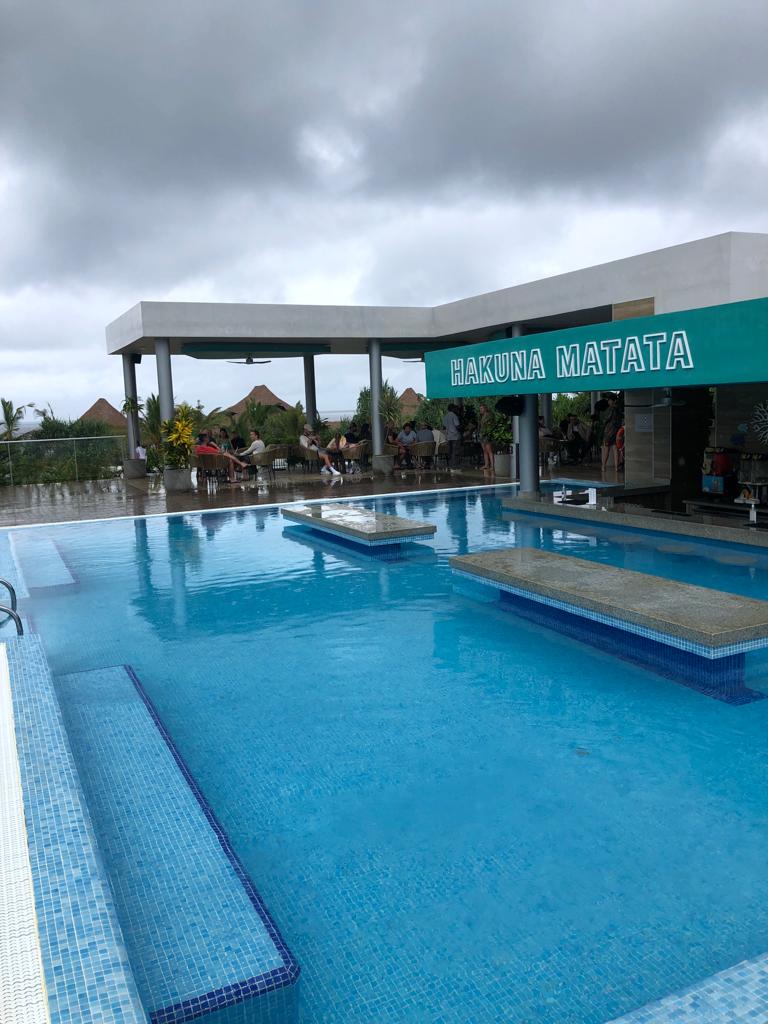
The hotel features several pools, including three large ones, a pool with a swim-up bar, and a children’s pool. I have no complaints regarding the pool facilities; they were well-maintained and enjoyable. One of the pools is situated directly on the beach, while another provides beach and sea views from a slightly elevated location. In the afternoons, it was common to see people gathering at the swim-up bar for drinks. Additionally, aqua aerobics sessions were available daily around noon, unless it was raining.

Location:

The hotel is positioned between Nungwi and Kendwa, an area that offers limited attractions. If exploring outside the hotel premises frequently is a priority, this may not be the ideal location to stay. Nevertheless, pleasant walks are possible in both directions along the beach. A leftward stroll leads to Kendwa, where non-all-inclusive hotels, such as the lively Kendwa Rocks, can be found. Exploring the opposite direction, guests will encounter numerous Zanzibari stores (tents) offering souvenirs. These stores offer a similar selection of items, such as Hakuna Matata hats and clothes, paintings, and elephant figurines. Continuing further, the beach reveals its breathtaking beauty, running alongside a cliff. However, due to the rising tide, we opted to return at a certain point to ensure a safe journey back.

Beach:

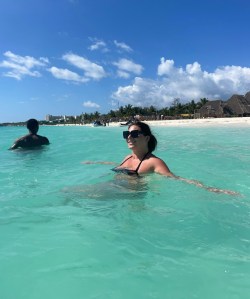
Contrary to negative claims found on TripAdvisor, I found the beach to be the highlight of the hotel. Despite contrasting reviews mentioning rocks in the water and the need for water shoes, I personally did not encounter any such issues during my experience—unless one has concerns about encountering seastars or, in rare instances, sea urchins, which can be found on any tropical beach. The hotel has a large amount of palm trees along the shore, creating a heavenly atmosphere. The sand resembles fine powder, having a pure white color and a remarkably soft texture. The water’s mesmerizing color and crystal-clear clarity of the water add to the beach’s appeal, making it perfect for swimming. Notably, this side of the island does not experience significant variations in tides, only minimal fluctuations similar to those observed in other coastal regions around the world. It is worth mentioning that other parts of Zanzibar may encounter low tides, resulting in complete water recession during certain times of the day, making them less suitable for swimming and visually less appealing. This was not the case here.

However, the persistent presence of vendors and performers on the beach was a downside. Given the beach’s narrower width compared to other locations in Zanzibar, vendors tend to approach sunbathers more closely. These vendors occupy the entire beachfront, constantly attempting to sell their products. To prevent any unintended rudeness and the need to repeatedly decline their offerings, we had to quickly move from our sun loungers to the water as the vendors are not allowed to approach the sun loungers and do not enter the water. Initially, this was tolerable, but over time, it became increasingly bothersome. Additionally, various acrobat groups perform shows along the beach. Although some of these performers are exceptionally skilled, they expect compensation, and the repetitive nature of requesting payments can become tiresome, especially considering the limited availability of ATMs—there is only one ATM nearby, and it is not conveniently accessible. Furthermore, while walking along the beach, it is not uncommon to come across locals who engage in conversation and insist on accompanying you, even following you, which can occasionally be bothersome, especially when you desire a peaceful and private walk on the beach. This is a common occurrence in many places in Africa.

Water Activities:

As I did not personally partake in any water activities, I cannot provide detailed insights. However, I did observe many individuals engaging in paddleboarding and water cycling.

Food and Restaurants

The culinary experience at the hotel was highly satisfactory, particularly at the buffet restaurant. Admittedly, I am not typically fond of buffets, as I tend to overfill my plate with an excessive variety of food, resulting in a less appetizing and visually unappealing combination. However, the food at this buffet was genuinely delicious, both for breakfast and dinner. Although lunch options were occasionally more limited, each day brought different dishes to choose from. I was surprised by the negative remarks I had read on Tripadvisor about the food. It is likely that those criticisms came from individuals who only ate pizza and hamburgers (as many guests did), overlooking the diverse range of offerings available. The buffet include delicious items such as shrimps, octopus, duck, various Indian and African curries, a ramen bar, fish prepared in different ways, and surprisingly well-executed steaks – a rarity for buffet settings. Even the octopus and calamari were tender and bursting with flavour, with each dish possessing a pleasant level of spiciness.

Moving on to the other restaurants, the lunch restaurant on the beach fell short of expectations. It primarily consisted of fries, burgers, pizzas, and salads, none of which impressed. While the pizza was acceptable when made fresh to order (as I requested), it quickly became dry and difficult to chew after a short time. The burger was excessively dry and practically inedible. This area certainly requires improvement, particularly given the restaurant’s fantastic location surrounded by palm trees on the beach and a sea view.

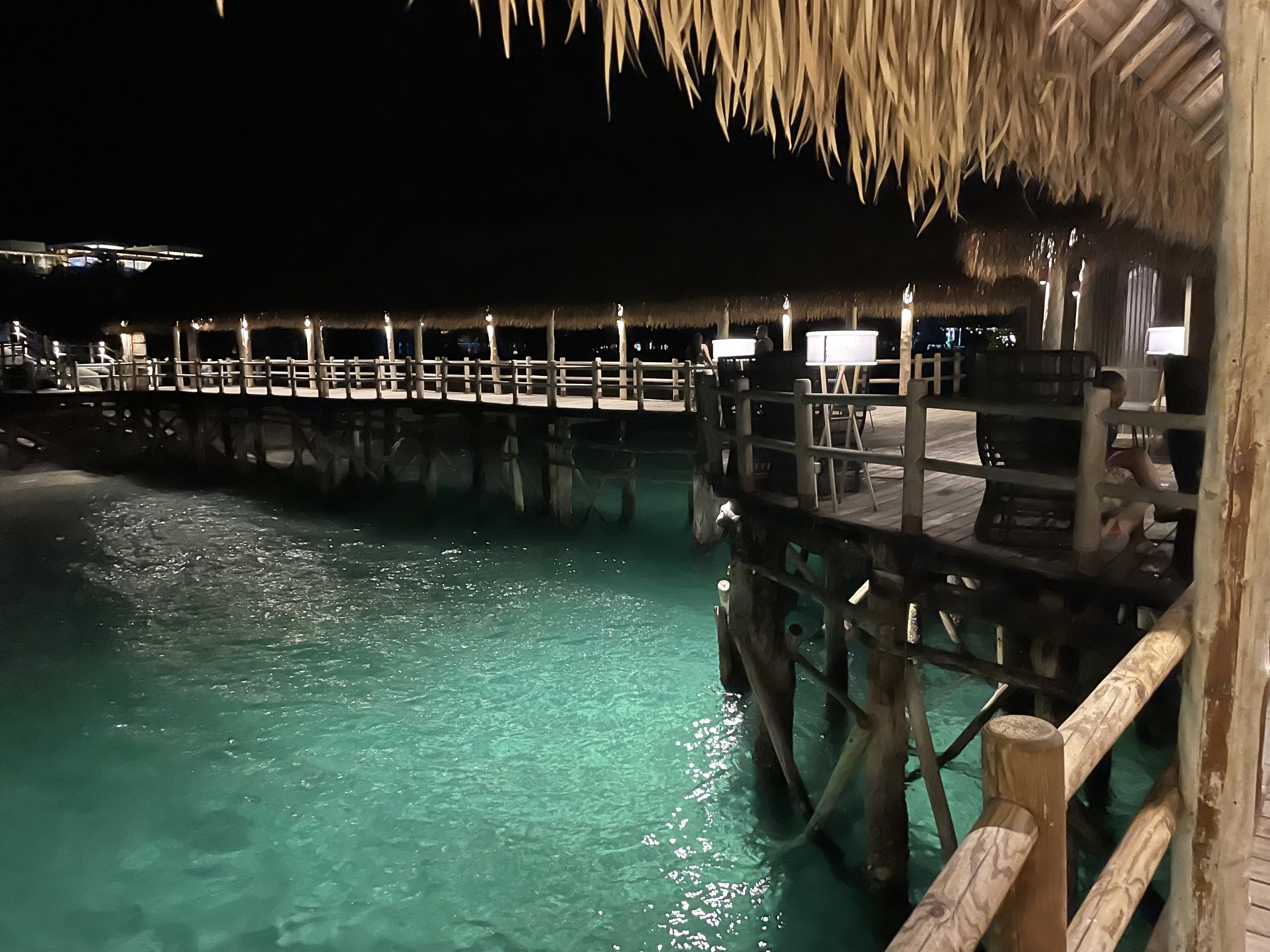
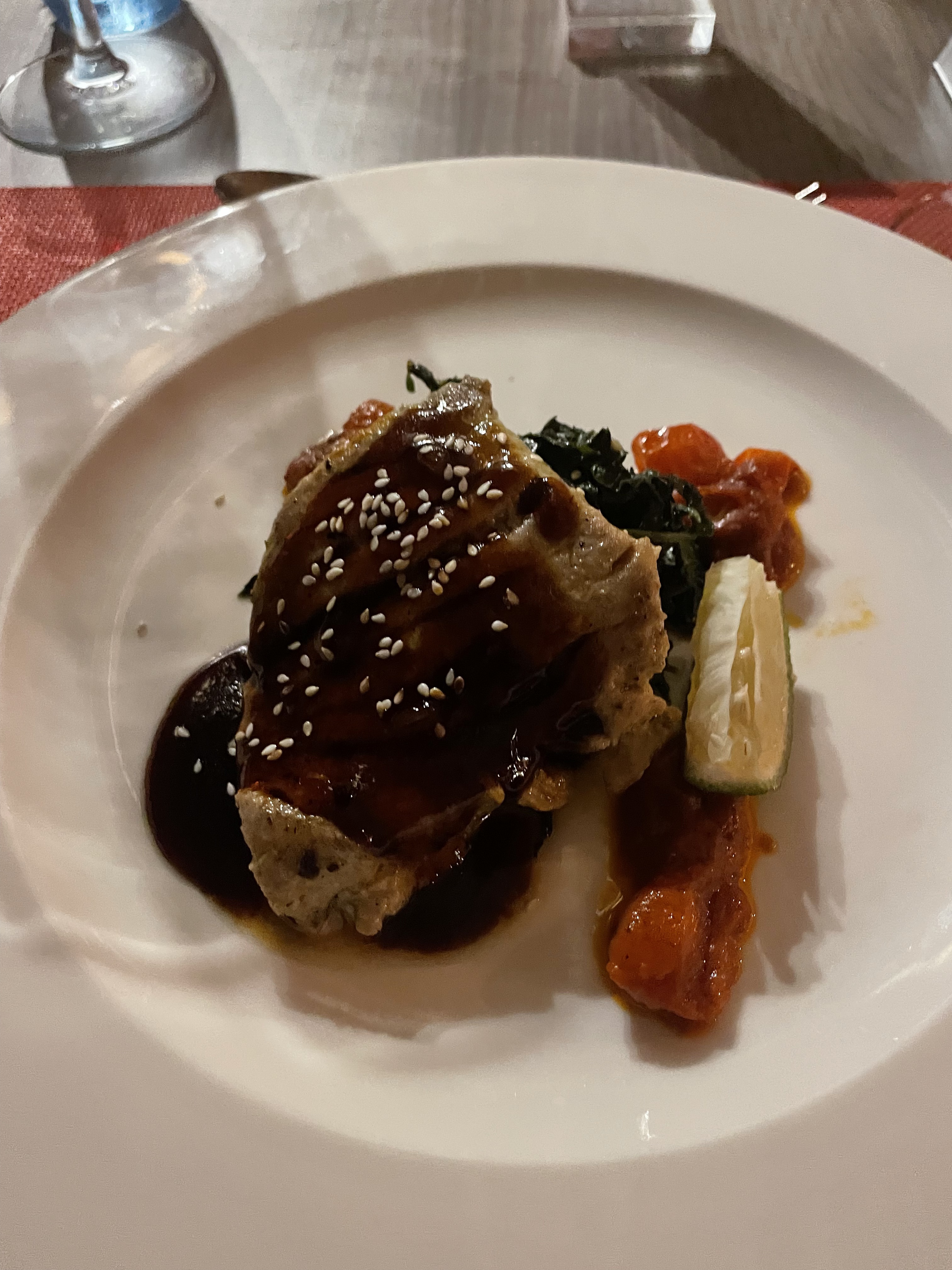
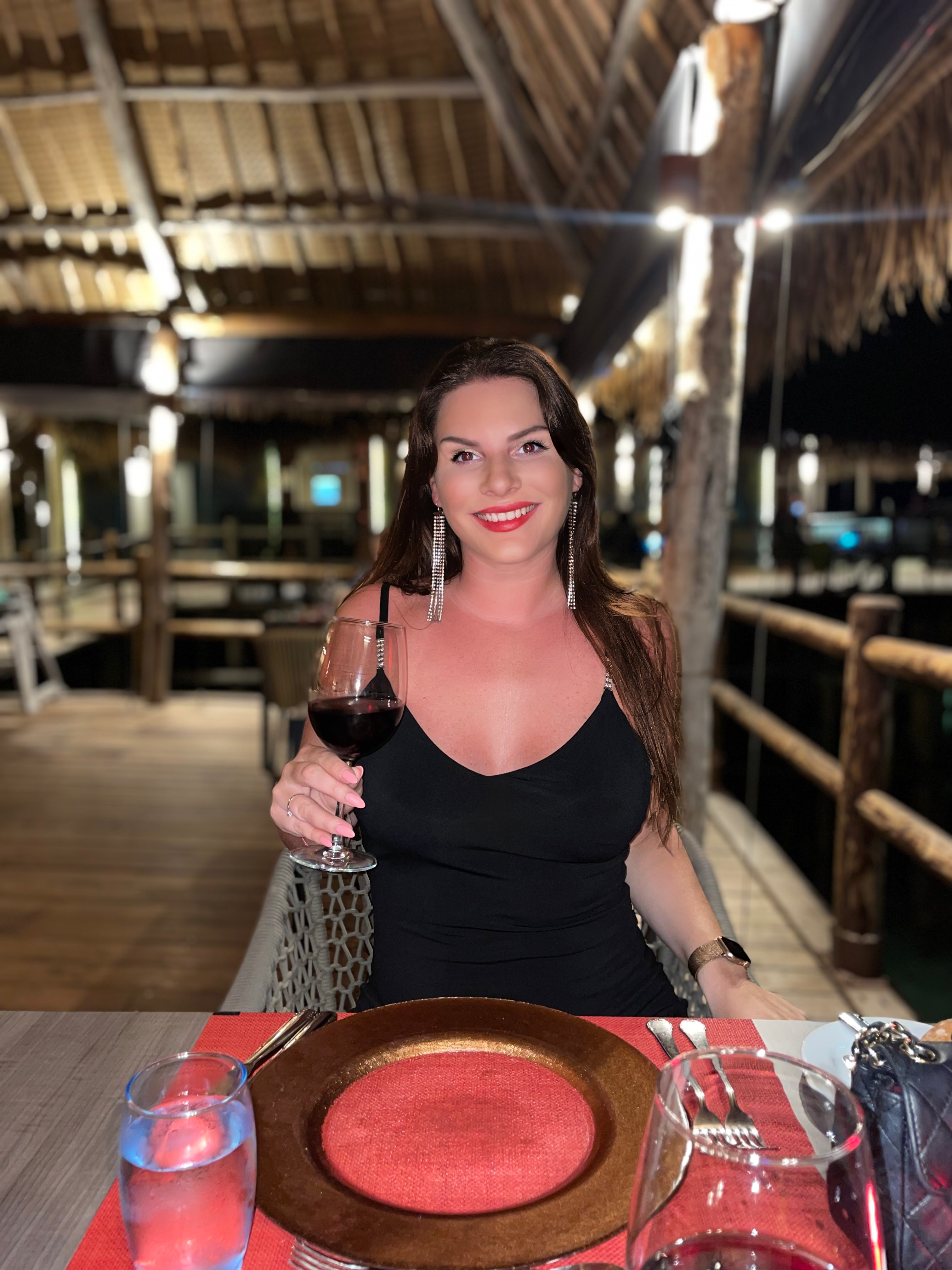
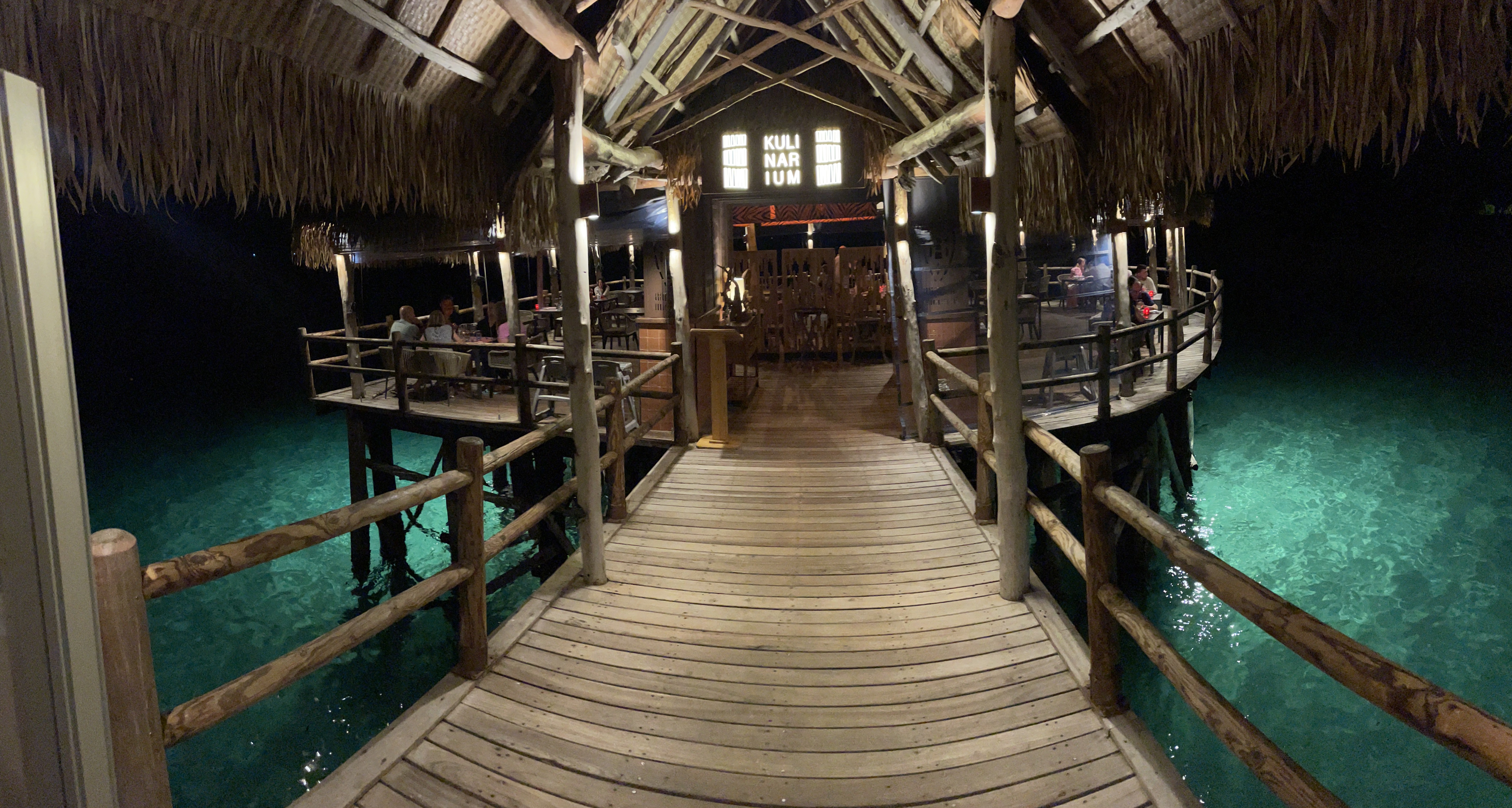
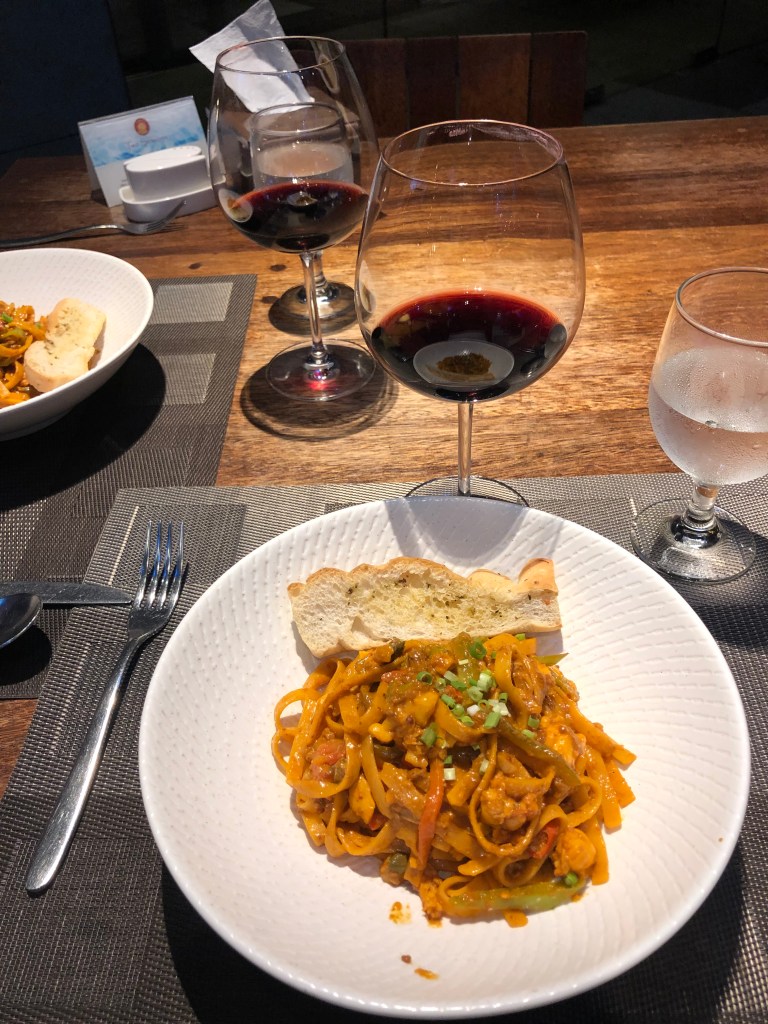
Both the Italian and fusion restaurant are located on the pier, providing a beautiful setting. The crystal-clear water surrounding the pier is mesmerizing, offering captivating views of the plentiful fish swimming below. However, the food at these restaurants was merely satisfactory. In the fusion restaurant, the spring rolls (referred to as cannelloni) with octopus were tasty. The beef was acceptable, and the tuna was quite good, but I had to specify that I preferred it rare. On our second visit, I ordered the linguini with langoustines, which appeared visually appealing, but unfortunately, the flavor of the pasta lacked depth. It tasted as though it had been mixed solely with a box of tomatoes and lacked additional seasoning. It was a missed opportunity, given the overall impressive flavors found in the buffet and other dining options on the island. Our experience at the Italian restaurant was similar. The ravioli had significant potential, but again, the sauce required improvement. As for the desserts at both the Italian and fusion restaurants, they were satisfactory though a bit too sweet for my personal taste (Although I must admit that I am not particularly fond of desserts, my opinion here may be slightly biased.). Considering the Italian and fusion restaurants’ remarkable settings on the pier, I would still recommend experiencing a meal at both restaurants, primarily for the romantic ambiance they offer. They possess incredible potential due to their unique settings; however, improvements should be made to the overall dining experience.

Regarding the Asian restaurant, it was, unfortunately, the least impressive. I am a passionate fan of Asian cuisine and consume it almost daily. I also prepare a variety of Asian dishes myself and frequently enjoy sushi. However, I found nothing exceptional in this particular restaurant.The duck we were looking forward to turned out to be chicken, and the sushi was far below average in terms of quality. While I understand that this is an all-inclusive hotel, providing a proper sushi course to the staff could greatly enhance customer satisfaction. Given the wide variety of high-quality fish, it would be wise to make better use of these valuable resources. Moreover, if fresh raw salmon is unavailable, it would be more suitable to use other types of fresh fish or seafood instead of using smoked salmon?! The dim sum experience was equally disappointing, although it is noteworthy that finding exceptional dim sum outside of Asia (or the US) is generally challenging these days. The remaining dishes were equally uninspiring, falling short of meeting even average expectations. However, it would be unfair to discourage others from booking this restaurants as improvements may have been made since my visit.

Booking Restaurants:

Contrary to some reviews, I did not encounter any issues with booking the restaurants. Although they were usually fully booked, I discovered that checking at midnight and periodically throughout the day would result in new availability, even if it had been previously full. The booking process is facilitated through a mobile application; therefore, access to the app is essential. Failure to have the app or possessing an incompatible phone would create challenges in making reservations, as the hotel does not assist in making reservations on behalf of guests. Please note that during a one-week stay, you can only make a reservation for each restaurant once.

Bars:

The hotel features several bars in various locations, including the lobby area, next to the upper pool, within the pool itself (swim-up bar), at the beach restaurant, near the evening entertainment venue, and on the pier.

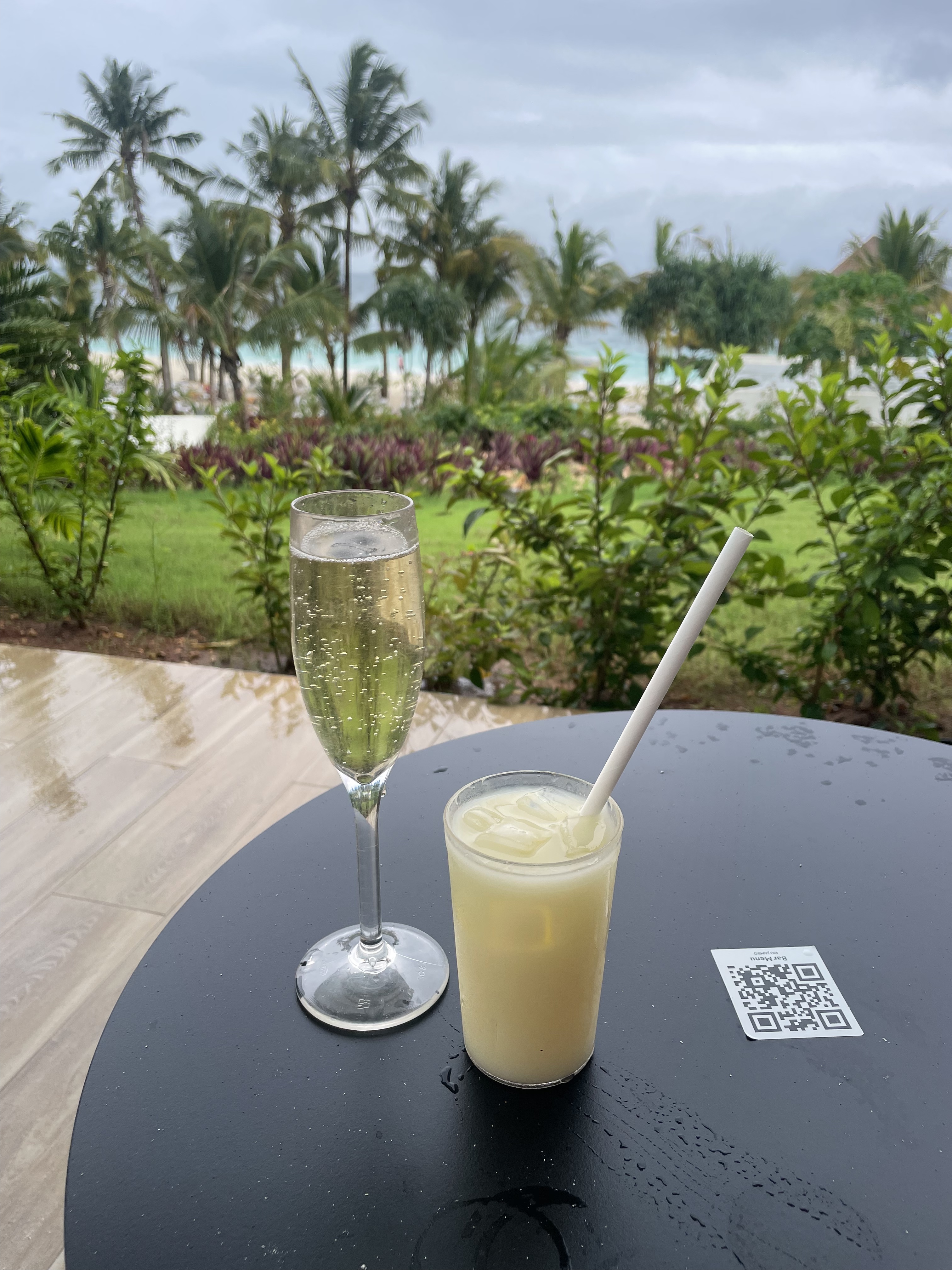
The bar situated on the pier stands out for its remarkable beauty, providing an excellent viewpoint for observing breathtaking sunsets. It offers a beautiful atmosphere, complemented by soothing music and elegant furnishings. However, it is worth noting that the availability of cocktails is limited across all bars within the resort. The menu remains consistent throughout the entire hotel, with all the bars offering the same selection of drinks, primarily consisting of standard options such as pina colada, mojito, strawberry daiquiri, and similar drinks. Unfortunately, the quality of these cocktails is lacking, with premade mixes served from dispensers and alcohol subsequently added to them. We were unable to order drinks outside the menu selection, which is disappointing, particularly considering the abundance of tropical fruits like passionfruit that could have been used. On a positive side, I was pleasantly surprised by the quality of the sparkling wine served, which, although not a Dom Perignon, was a decent cava brut. Additionally, the red and white wines available were satisfactory and exceeded the standards of numerous other all-inclusive resorts.

Evening Entertainment:

The hotel arranged nightly shows, varying in quality. Personally, I found the live music band and the saxophonist to be the most enjoyable entertainment options, and it would be ideal if they performed every evening. Personally, I would have preferred a stronger focus on showcasing African music throughout the evening entertainment. While there were some African songs, it was disappointing to see the later sets shift towards popular international tunes like ABBA or Latin hits such as “Danza Kuduro” and “Despacito” (or even the Macarena!), which became repetitive over time. Africa and Tanzania has a rich musical heritage, and it would have been preferable to highlight those cultural elements. The same suggestion applies to the other bars within the hotel, as their music selection predominantly comprises American classics. To create a stronger African atmosphere and capture the local essence, it would be beneficial to include a wider variety of African songs beyond the limited selection of “Jerusalema,” “Calm Down,” and “Jambo Bwana.” This recommendation also applies to the beach area, where there was a lack of music in general.

Service

The hotel staff demonstrated exceptional competence and dedication in their work, which could be possibly attributed to the leadership of the manager. Every staff member we encountered greeted us warmly, ensuring our stay was as enjoyable as possible. The bartenders and waiters demonstrated excellent attention to detail, remembering our preferred orders and promptly serving them before we even reached the bar or table. the staff genuinely valued tips and expressed their gratitude, in contrast to certain places where gratuities are accepted without acknowledgement, which further encourages guests to provide generous gratuities, particularly when the quality of service is excelent.

Summary

Overall, the Riu Palace Jambo hotel presents a modern and newly constructed establishment. While it may not evoke a distinct Zanzibari ambiance, the hotel features beautiful grounds. The hotel staff demonstrated remarkable competence and dedication to their work, providing excellent service. The pool facilities were enjoyable, and the culinary experience at the buffet restaurant was highly satisfactory. However, some of the other restaurants fell short of expectations, particularly the Asian restaurant. The Italian and fusion restaurants on the pier, on the other hand, provide a beautiful setting with mesmerizing views of the crystal-clear water and has a great potential if the food improves. The booking process for restaurants was manageable, and the hotel offered several bars in various locations. The evening entertainment varied in quality, with room for improvement in showcasing African music. The rooms were exquisite, and the beach was a highlight, offering pristine sand and crystal-clear water. While the persistent presence of beach vendors was a downside, it is worth noting that encountering vendors is a common occurrence in many African beach destinations, and it can be seen as part of the local experience. Overall, I highly recommend this hotel for its stunning beauty and the amazing beach experience it offers.

P.S. I didn’t take many photos, but I have several videos on my Instagram under the Tanzania highlight that you can watch to get a glimpse of the hotel.

Traveling to Zanzibar

Zanzibar, a captivating island nestled off the coast of Tanzania, had long held a prominent spot on my bucket list. Although under the control of Tanzania, this island operates autonomously with its own president. Prior to my visit, I had encountered various opinions about this destination, and now I am eager to share my own perspective.

Flight and Journey

My mom and I embarked on our adventure from Warsaw, with layovers in Amsterdam and Nairobi before reaching Zanzibar via Kenya Airways. Unfortunately, the flight experience was nothing extraordinary, as economy class tends to be uncomfortable regardless of the airline. It seems that the quality of service and food has declined across airlines in recent years, unless you opt for business class.

Opting to book our hotel and flight separately, as we usually do, not only offers potential cost savings but also allows us to explore different areas. While our Zanzibar trip did not involve much exploration, we did have the opportunity to experience two distinct hotels located on Kendwa Beach: Riu Jambo and Gold Zanzibar. I’ll explain why we chose that later in the blog.

Arrival in Zanzibar

After getting off the plane, the arrival process was relatively quick. We were required to complete some forms for the border control and purchase a visa. Initially, the officials assisted us with the paperwork, and the queue was relatively short, resulting in a smooth process. Following the completion of the necessary forms, we proceeded to pay for the visa. Having read online that card payments were rarely accepted, we arrived prepared with cash. However, it turned out that this information was not entirely accurate, as the visa counters displayed Visa and Mastercard logos, indicating the option to pay by card. Although I haven’t experienced any problems with card machines in Zanzibar myself, I’ve heard stories of occasional malfunctions, so it’s a good idea to be prepared. The visa fee amounted to 50 USD (and it’s essential to note that payment must be made in U.S. dollars). However, it’s worth mentioning that visa fees may vary, with certain countries. For example, U.S. citizens usually pay $100. Additionally, it’s worth noting that purchasing the visa online is also an option; unfortunately, I missed the application deadline . I did hear, however, that some individuals encountered difficulties with the online application process, because the website wasn’t functioning properly.

After paying for our visas, we proceeded to passport control and subsequently collected our baggage.

Transfer to the Hotel

Our transfer arrangements were made through Zanzitaxi. As soon as we stepped out of the airport, we easily spotted a representative holding a sign with my name. The transfer vehicle, a private and comfortable air-conditioned van, was equipped with a screen that allowed us to enjoy African music videos that added to the atmosphere. The driver took us to Kendwa, our chosen destination. Despite the estimated travel time of over an hour, the driver’s speed ensured we arrived earlier. We passed through different villages with lush greenery, palm trees, and wandering cows—a true tropical experience, despite the rain making it less picturesque. The scenery reminded me of my previous trip to Uganda.

We chose Kendwa due to its reputation as the only beach location in Zanzibar without low tides, allowing for uninterrupted swimming all day. I’ll talk more about that in my next post.

Arrival at the hotel: Riu Jambo

When we arrived at the hotel, we were disappointed to see a large group of people crowding the lobby, which meant our chances of early check-in were slim. It seemed like a big tour group from Germany, and we were certain that we wouldn’t get a room until much later. We were indeed informed that our room was not yet prepared, and the hotel staff advised us to return at 3 PM.

Despite the rain, we used this time to explore the hotel, enjoying drinks and lunch. Around one o’clock, two hours before the official check-in time, we were pleasantly surprised to learn that our room was not only available but had also been upgraded to a room with front sea view. It had a breathtaking sea view, and was conveniently located near the pool and restaurant. Despite the rainy weather, our initial impression of the hotel was overwhelmingly positive. The hotel made a great first impression with its friendly staff, beautiful and clean facilities, and stunning views. It was a huge hotel with beautiful grounds. We were delighted with our experience so far. In my next posts, I’ll share more about the hotel and Kendwa Beach.

Boracay: Traveling from Coron to Boracay

Boracay, a captivating tropical island, had long been on my list of dream destinations. The white beaches and picturesque palm trees had captivated my imagination since my teenage years. Finally, the time had come for me to visit this beautiful island. However, I couldn’t help but wonder if just one week would be enough to fully experience the enchantment of this paradise. I soon discovered that one week would never be sufficient to fully indulge in the experiences this destination had to offer.

Boracay became our third destination during our trip to the Philippines and Singapore. Originally, our plan solely focused on visiting Boracay, but we eventually expanded our itinerary to include Manila, Coron, and Singapore. While we have no regrets about our decision, I couldn’t help but wish for more time to explore this beautiful island.

Stopover in Angeles

Our journey to Boracay began with a stopover in Angeles. Our early morning flight from Coron to Boracay necessitated a layover in Angeles, as there were no direct flights available at the time. In Angeles, we quickly realized the city’s substantial size, assuming the airport would reflect its magnitude. Outside the terminal building, we encountered an open-air mall housing a few restaurants and shops. Although we explored the area briefly, we ultimately decided to have lunch within the domestic terminal building.
It quickly became apparent that this was not the best choice. Similar to the domestic airports in Manila and Coron, the terminal lacked facilities and amenities. The waiting area consisted of numerous chairs (which, compared to some airports, was ample), and a few unappealing food stalls. Surprisingly, despite the ongoing pandemic, there were a significant number of travelers present. However, the flight to Boracay was nearly empty, speeding up the entire process. The flight lasted approximately 40 minutes, and we even landed before the scheduled time.

Landing in Caticlan

Upon landing in Caticlan, the airport located on the neighboring island to Boracay, a few things immediately caught my attention. Firstly, there was a stall at the baggage claim area boldly advertising “Happy Hour starts here,” offering alcohol for sale. While I refrained from making a purchase, I regretted not buying some wine to bring to the hotel, considering the high prices for wine in Boracay. Additionally, the baggage claim itself caught me off guard. The open-air airport lacked a baggage carousel, and we were instructed to wait before proceeding to the exit. It turns out that an electric golf cart was responsible for transporting our luggage from the aircraft. Adjacent to the airport, a massive building was under construction, possibly a new international airport or terminal building in the works.

Traveling from Caticlan airport to Boracay Island

Upon exiting the airport, we were promptly greeted by a representative from our hotel. Initially, we were escorted by an individual who led us to the driver of our hotel van. From there, we were transferred to a beach area, where 2 or 3 individuals on a boat awaited to transport us to Boracay Island. Upon arriving at Boracay, two of the individuals kindly assisted with our luggage and guided us to the next van, which took us to our hotel. The tipping process during this journey became a bit confusing, to say the least. The entire transfer from the airport to the boat took approximately 5 minutes, followed by a 10-minute boat ride from Caticlan Island (where the airport is located) to Boracay Island, and finally, another 20 minutes by car to reach our hotel. Due to the relatively low number of people traveling, the entire process proceeded rapidly, allowing us to arrive at The Ambassador in Paradise, our hotel, much earlier than anticipated. I must express my appreciation for the efficiency of the hotel transfer, which led us to arrange the same service for our return journey. Thanks to our early arrival, we even had the opportunity to spend some time at the stunning beach before fully settling into our accommodations.   
Coron Island tour

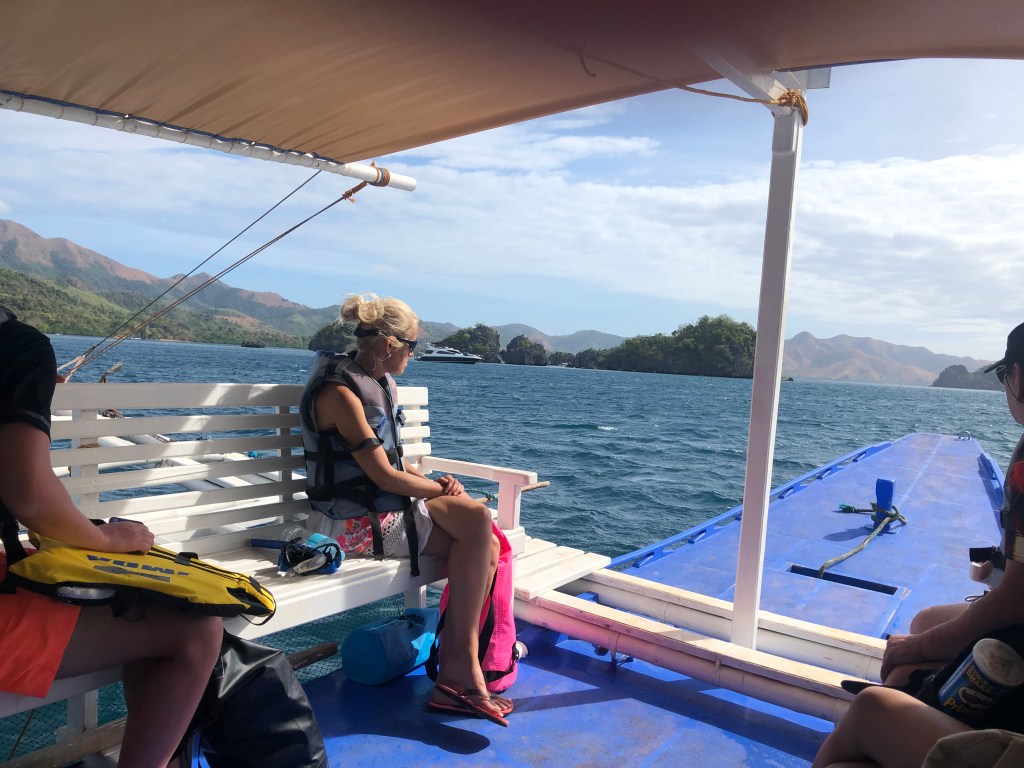
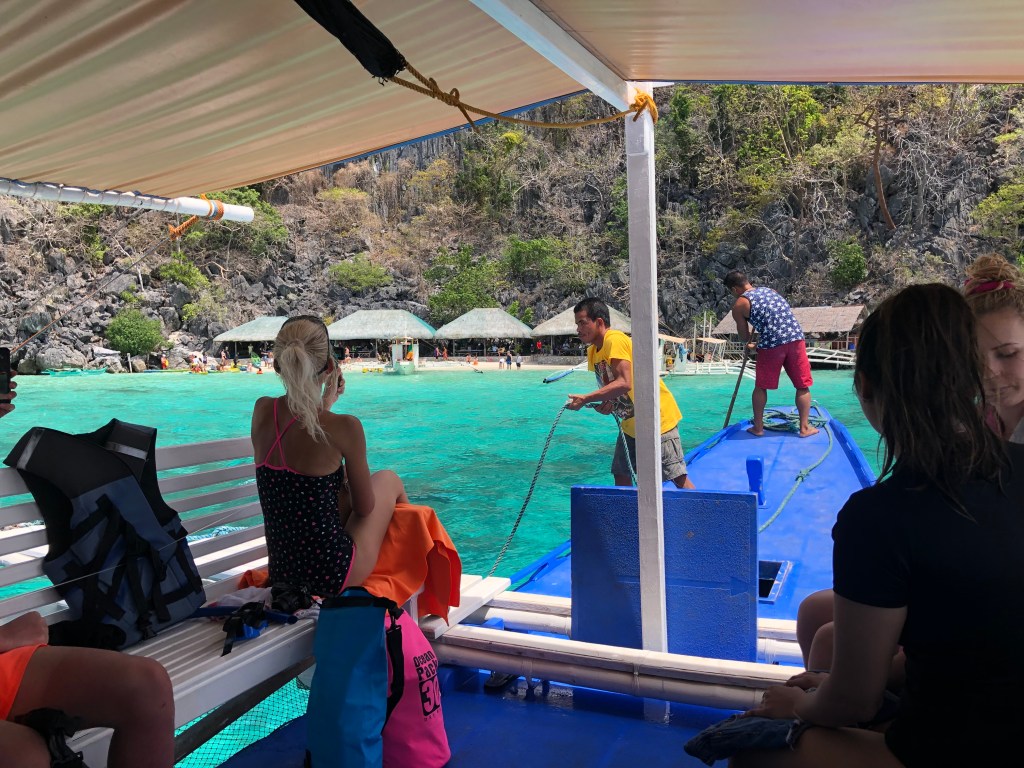
Upon our arrival at the hotel in Coron, one of our immediate priorities was to inquire about the island hopping tours available. Exploring the stunning islands was the primary motivation behind our visit to Coron. Having done some research beforehand, we were aware that it was unnecessary to pre-book the tours and that it was preferable to arrange them through the hotel, ideally with a day’s notice. Seeking guidance from the receptionist, we sought recommendations for the best tour, and were advised to opt for the Coron Island Super Ultimate Tour, renowned for its numerous attractions. We agreed without hesitation, considering the marginal price difference compared to other options, ultimately costing us approximately 40 USD per person for a boat accommodating 10-12 individuals.

The following morning, we set our alarms early as our scheduled pick-up time was 7:30. After enjoying a breakfast at the hotel, we patiently waited in the lobby for our guide to arrive. Eventually, our guide arrived, and we were transported to the bustling jetty port where numerous boats were embarking. The situation appeared somewhat disorganized, as our guide seemed uncertain about which boat we were supposed to board. Initially, we were instructed to join a large Filipino family; however, after some time had passed, we were asked to enter the office and wait for further instructions. This entire process consumed a considerable amount of time, leading us to realize that we could have savored an additional hour of sleep. Waking up at 6:00 am might not be a major issue under normal circumstances, but when jet-lagged and struggling to sleep at night, it became quite challenging. Eventually, we were informed that a different guide and group had been assigned to us.

The most challenging aspect of the trip was the boarding and disembarking process of the boats, which turned out to be quite nightmarish. It involved navigating a narrow and unstable ladder while the boat was in motion. Furthermore, we had to repeat this process multiple times, transferring from one boat to another until we finally reached our designated vessel. It was an incredibly nerve-wracking experience and easily one of the scariest things I had done in a long time.

We patiently waited for the rest of the group to arrive, initially concerned that a group of 12 people might be too crowded for our liking. Ideally, we had hoped for a more private or smaller group experience. However, as it turned out, the composition of our group was ideal, and even a larger group would not have been bothersome. Our group consisted of the two of us, three French guys, two girls from the UK, one Hungarian girl, and two older couples from the Philippines. After a considerable amount of waiting, the boat finally set off, marking the beginning of our island hopping adventure.

Siete Pecados

Our initial destination was a renowned snorkeling spot known as Siete Pecados. The snorkeling experience at this location proved to be enjoyable, with a vibrant array of marine life captivating our attention. Nevertheless, I couldn’t help but feel that my expectations had been slightly higher. Perhaps my perception was influenced by my previous encounters with extraordinary snorkeling adventures, such as the vividly colorful corals I encountered in Cambodia. Despite this, I must acknowledge that overall, the snorkeling experience at Siete Pecados was pleasant.

Kayangan Lakes

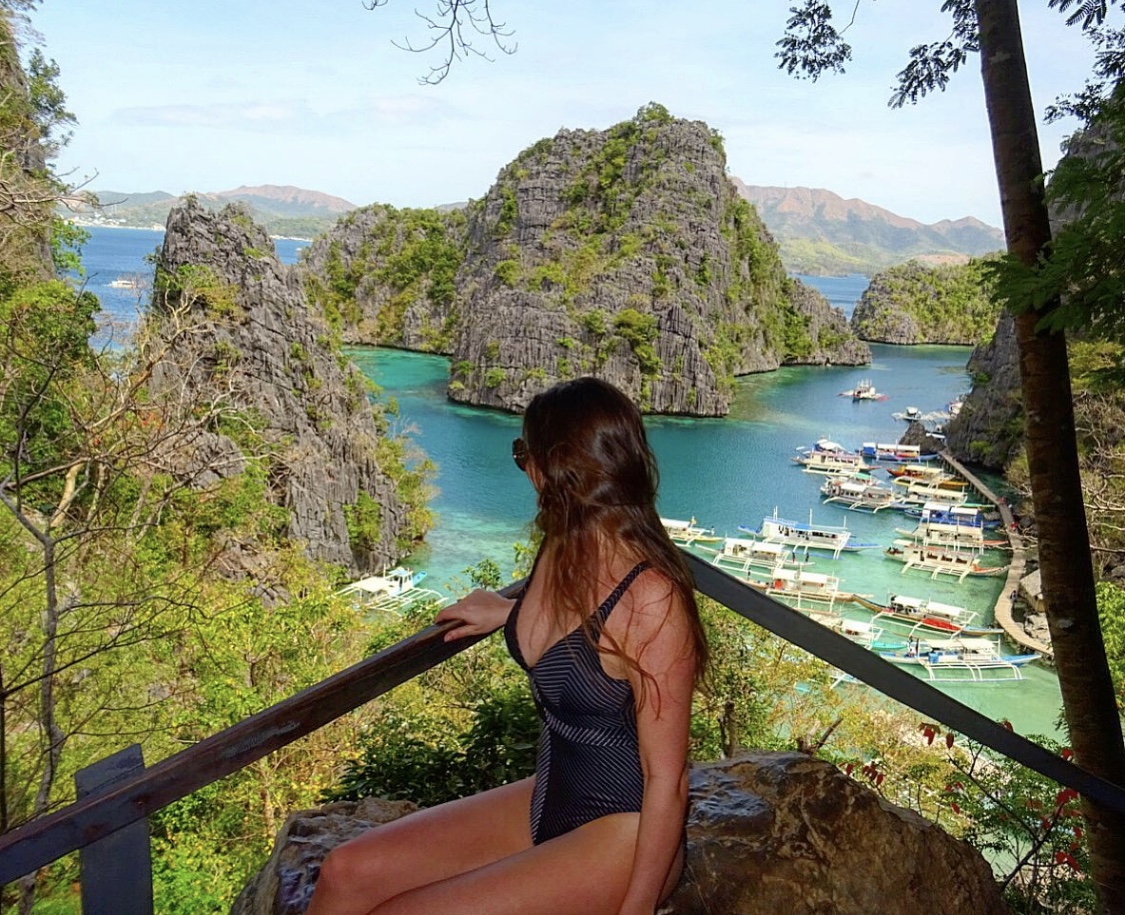
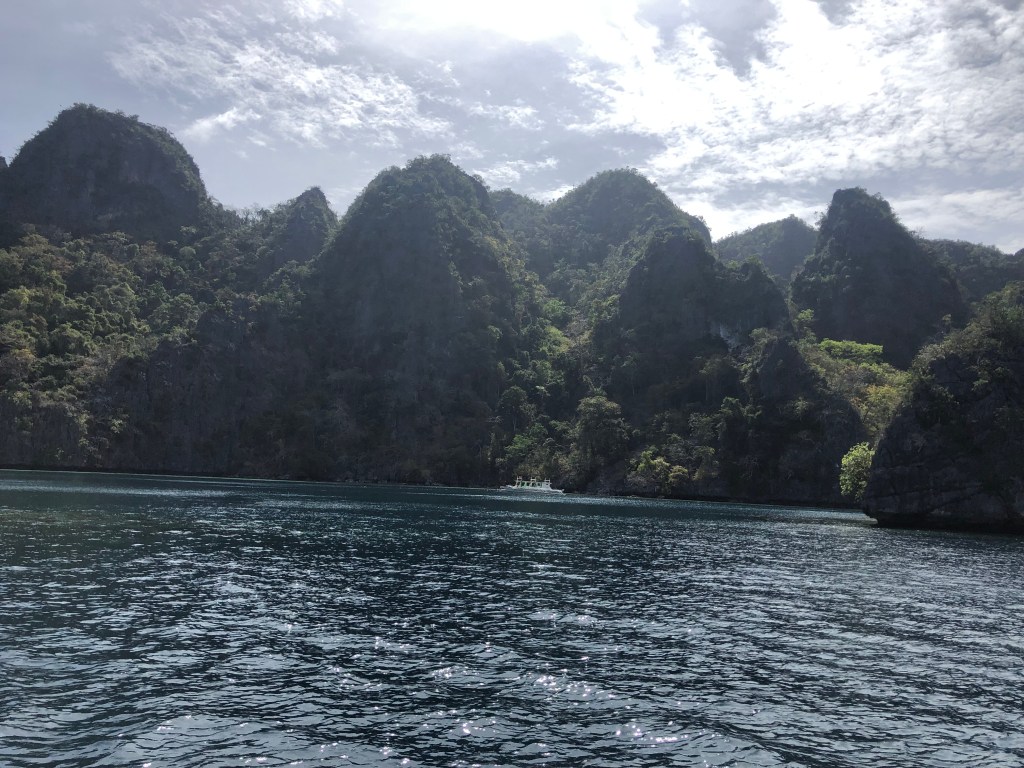
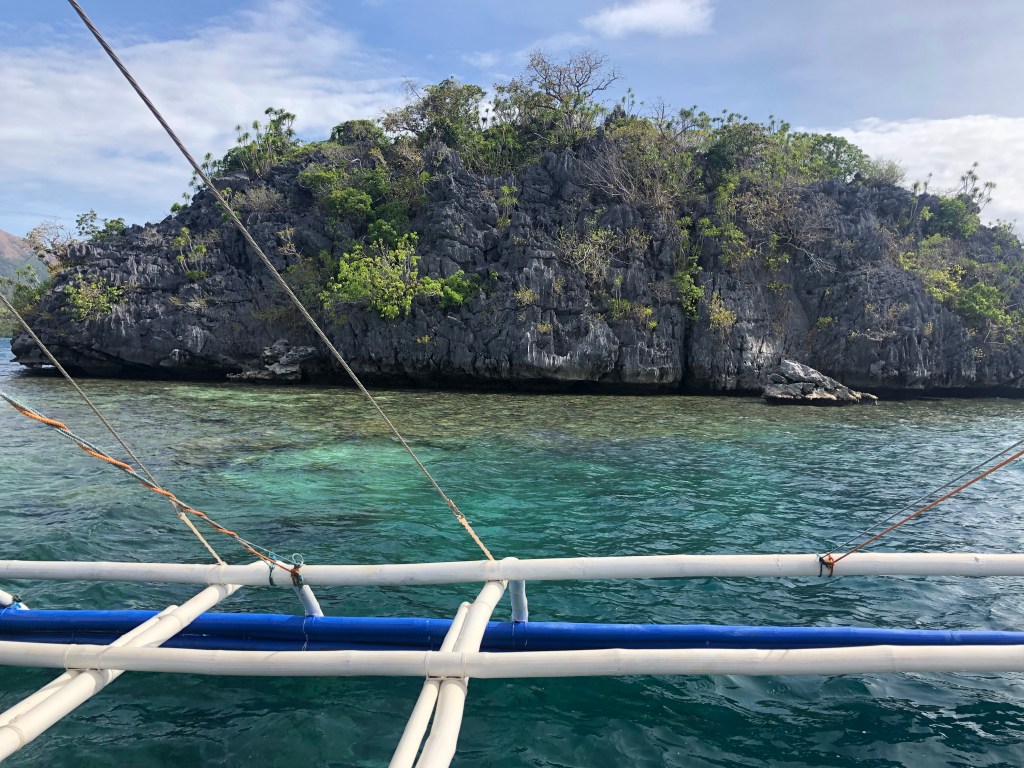
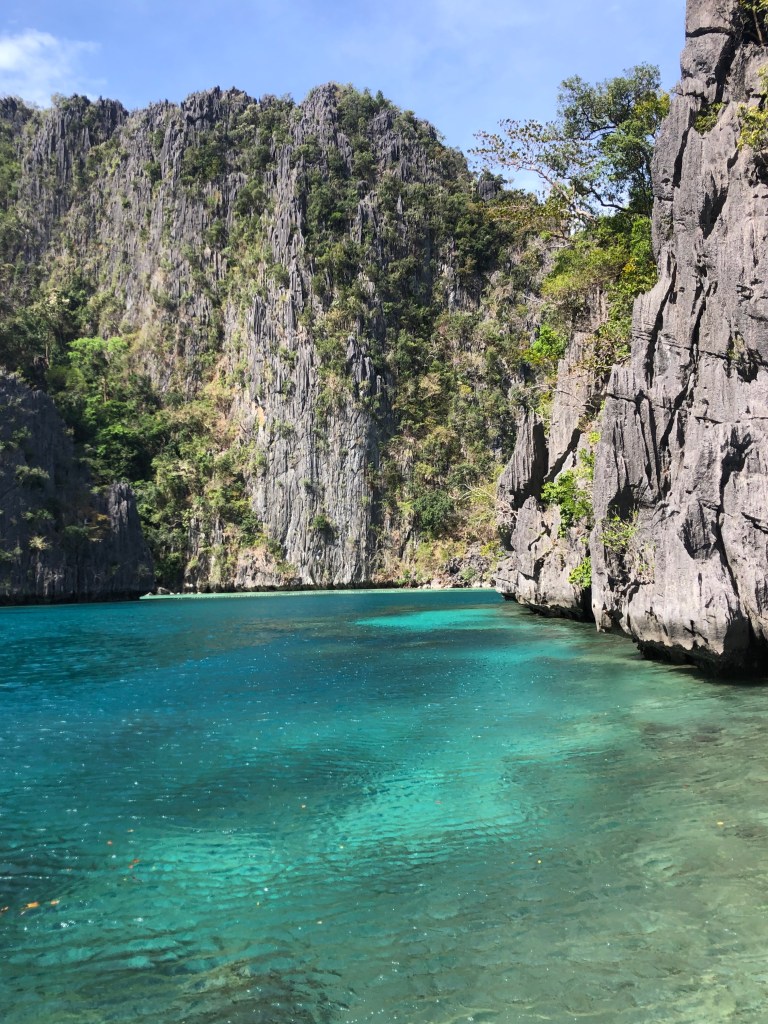
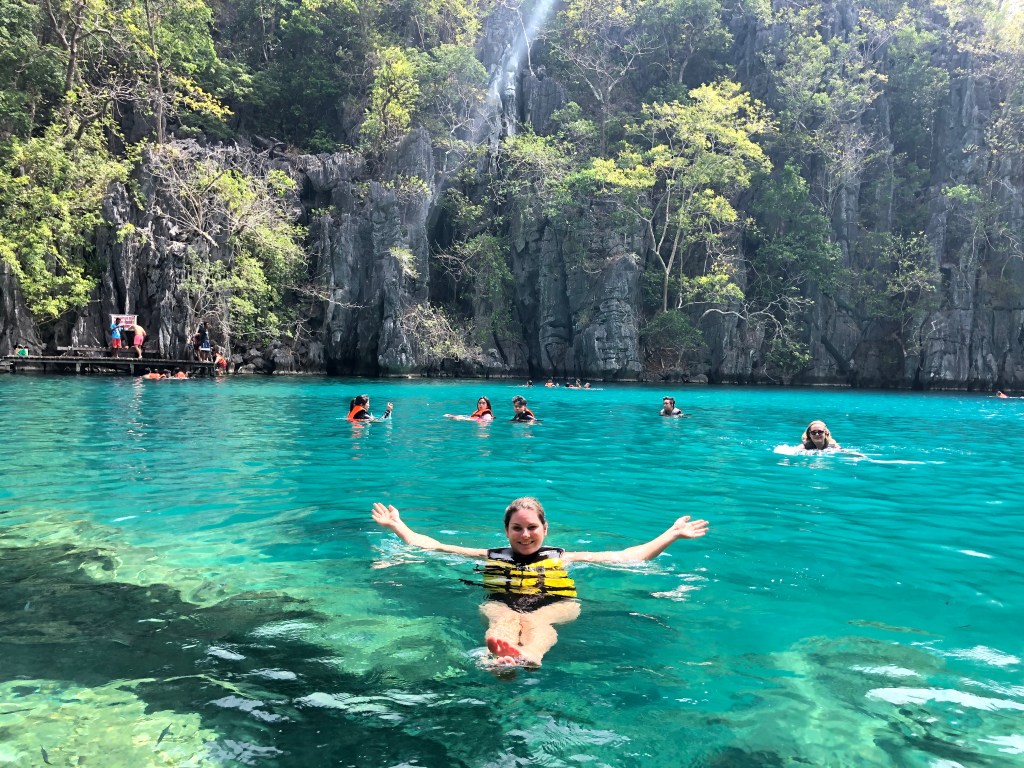
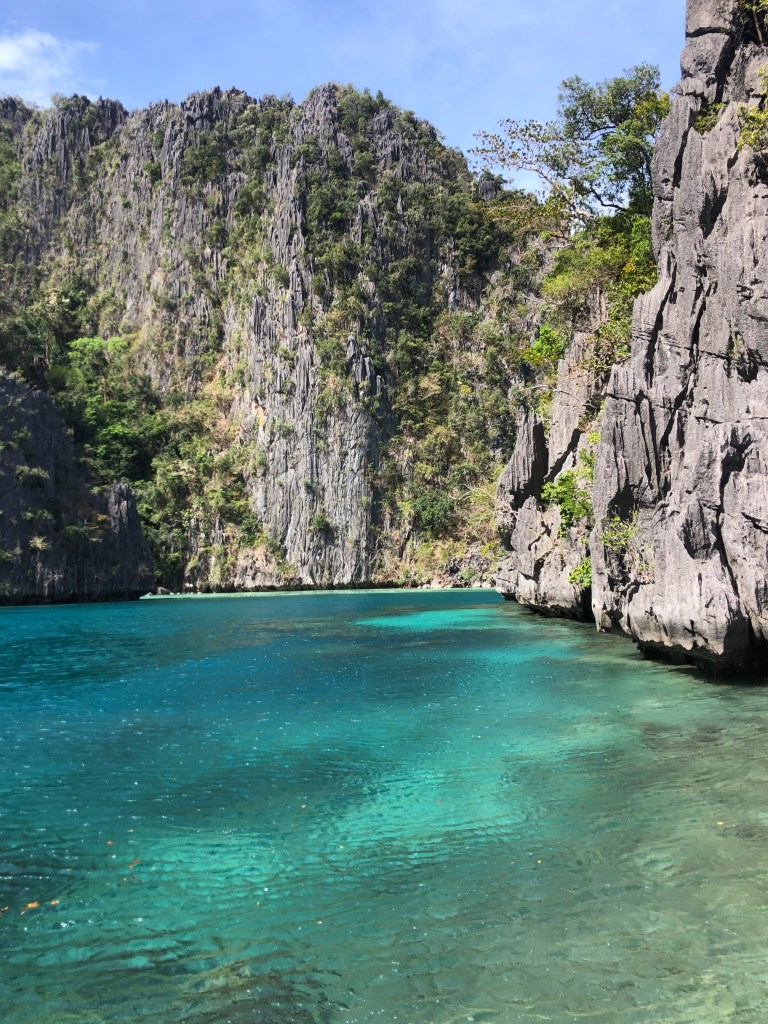
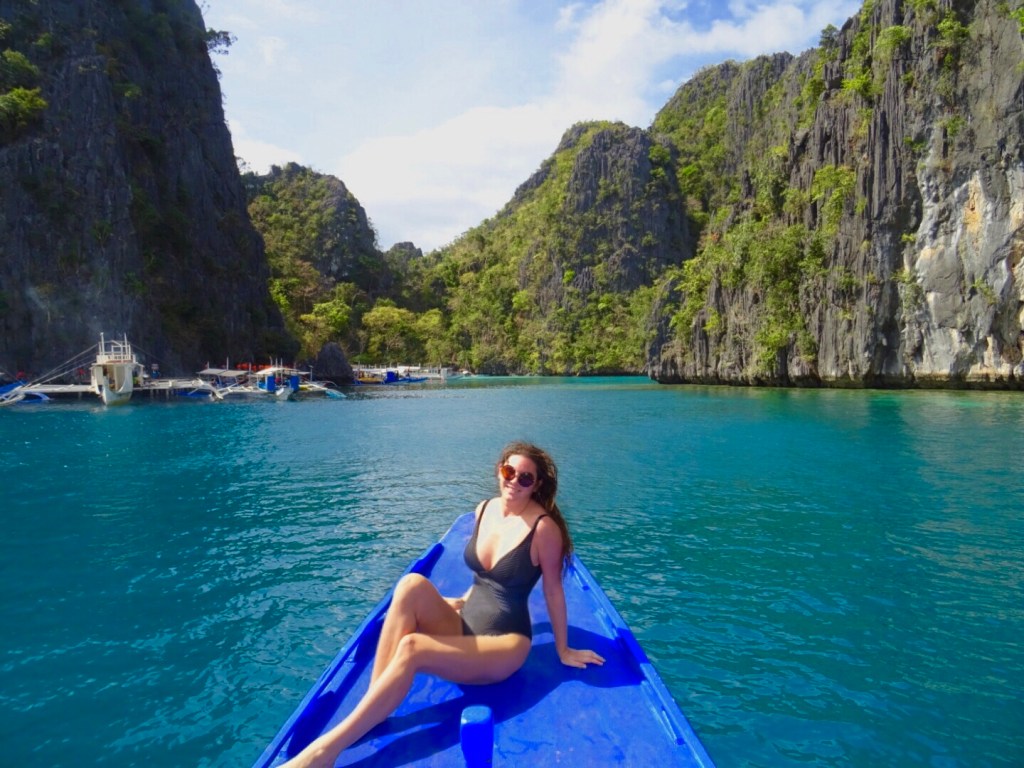
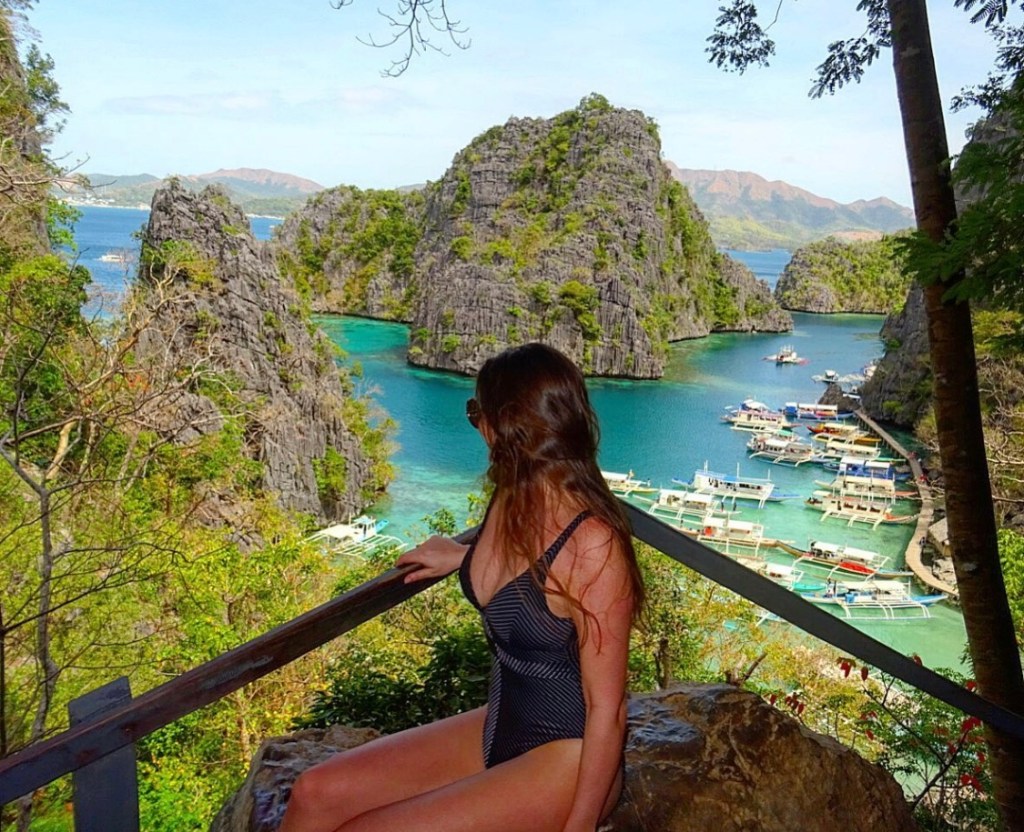
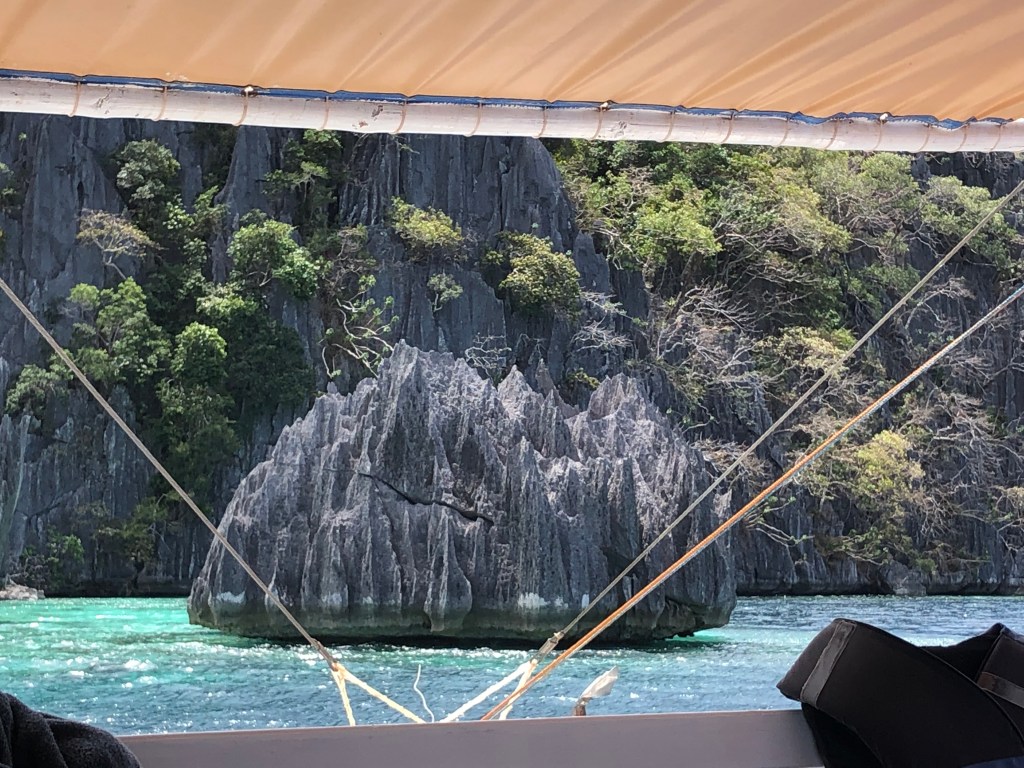
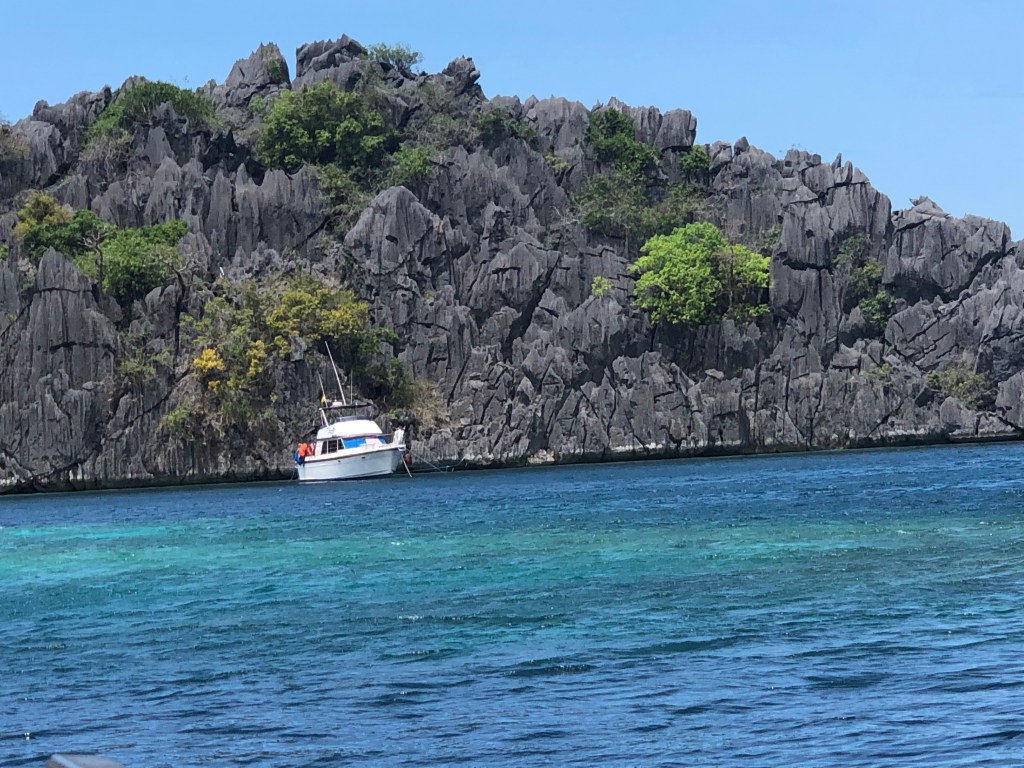
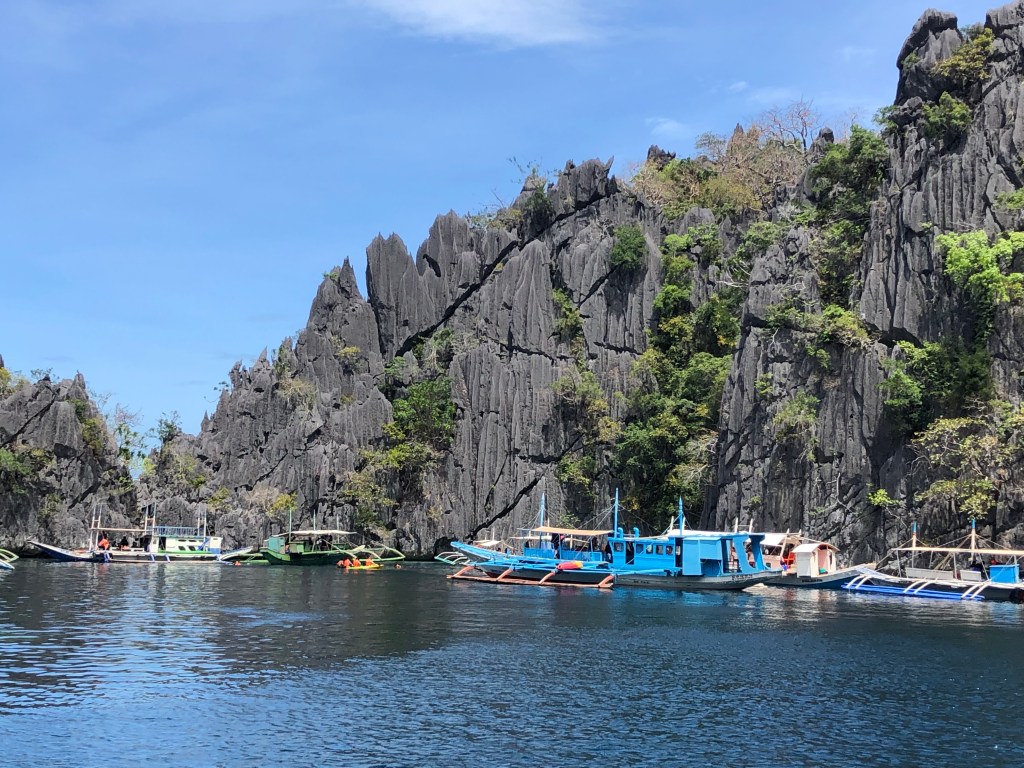
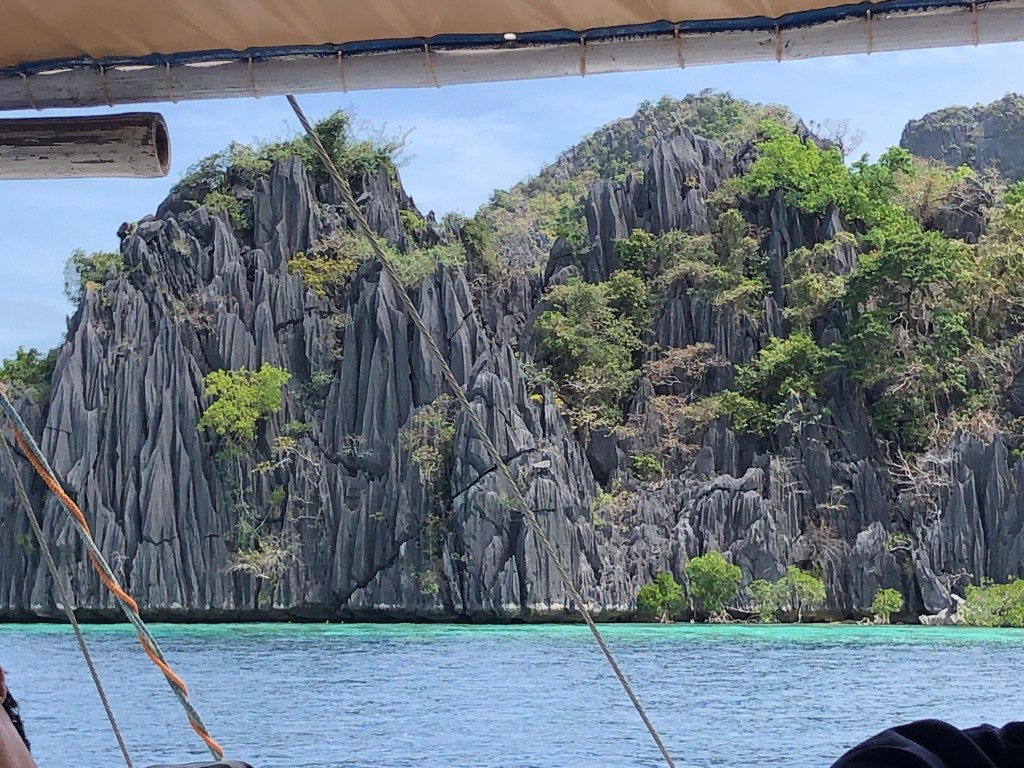
As we approached the limestone karsts, the beauty of the surroundings became more apparent. The breathtaking sights resembled the landscapes of Norway during the summer season. However, it was when we reached our next destination, Kayangan Lake, that the water took on an even more remarkable transformation. The hues of green were simply breathtaking, creating an almost surreal visual spectacle. The colors of the water were unlike anything I had ever seen before, truly captivating and unforgettable.

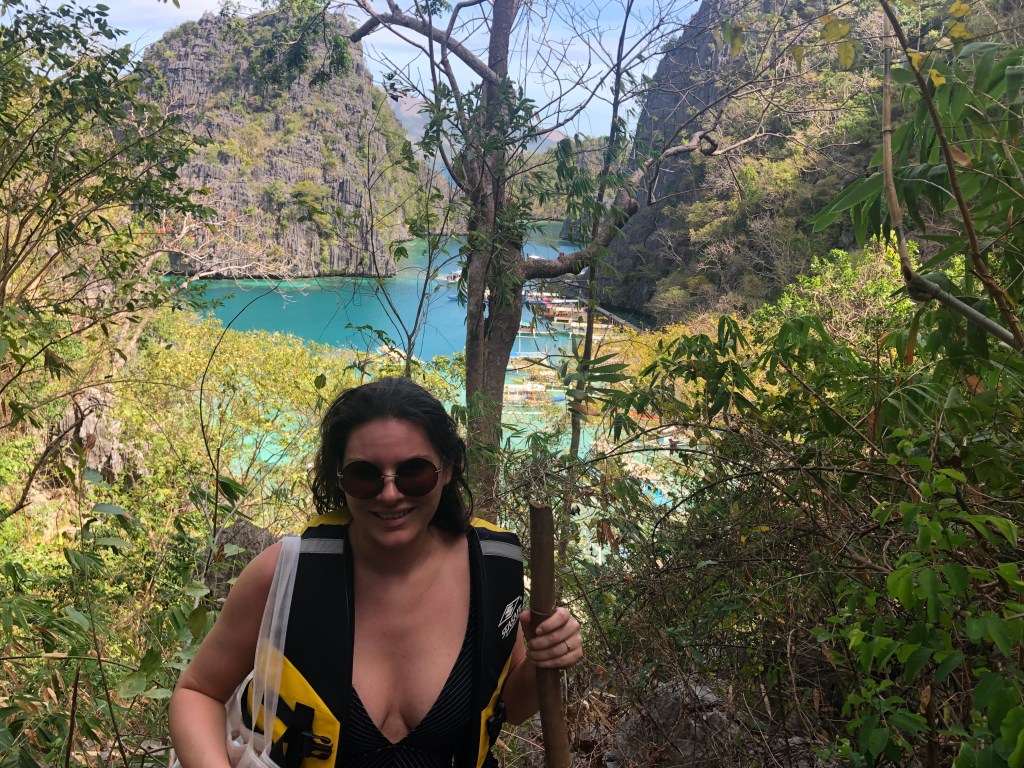
Among all the places we visited on the tour, Kayangan Lake undoubtedly stood out as the most breathtaking destination. To reach the lake, we embarked on a bit of a walk, navigating up and down hundreds of steps. Despite hearing rumors of the challenging trek, I found it to be much more manageable than anticipated. Surprisingly, even though my mom and I are not particularly fit, we had no significant issues. Perhaps our longer legs played a role in making it easier for us.

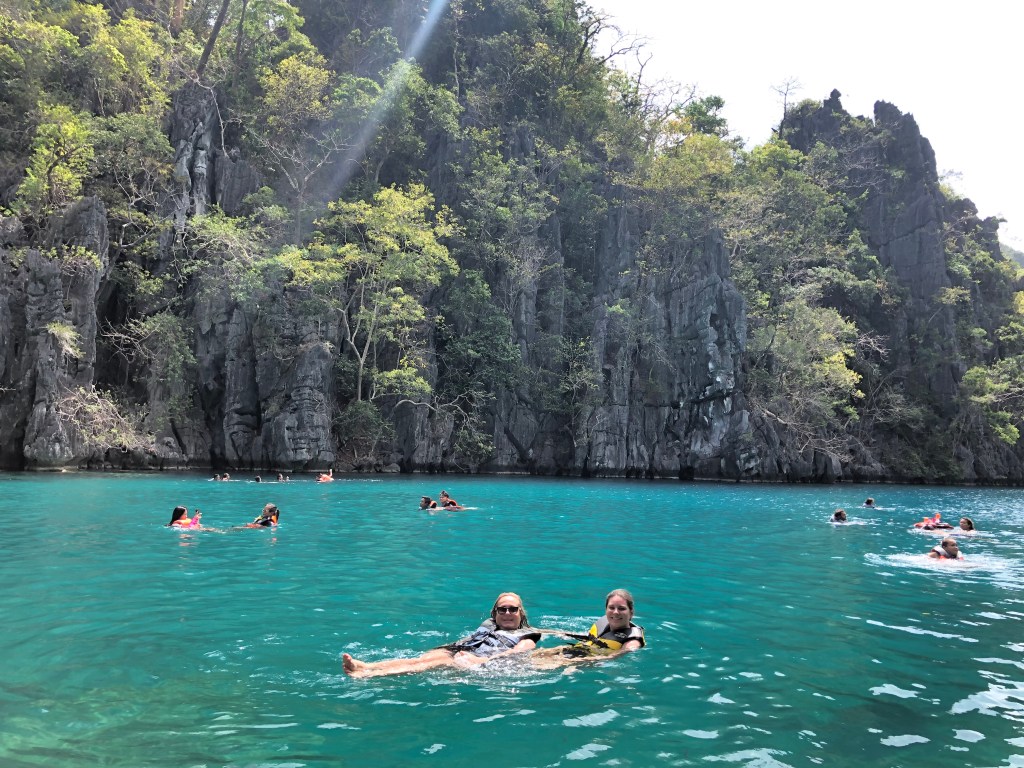
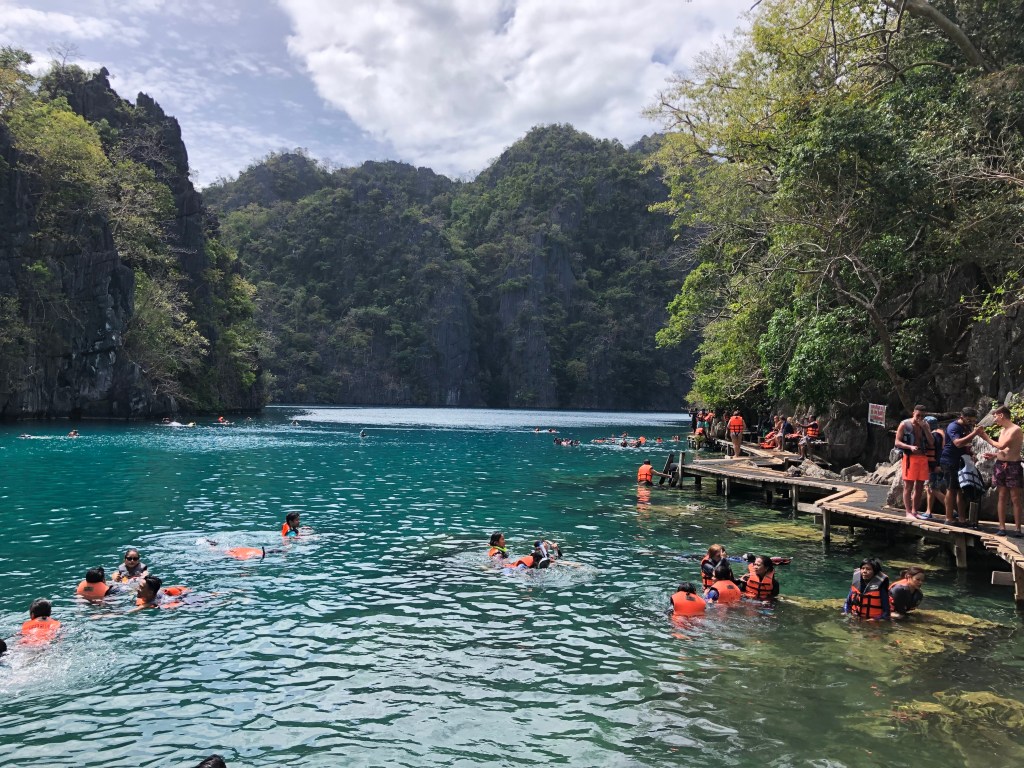
However, there were a couple of aspects about Kayangan Lake that I found displeasing. Firstly, the mandatory requirement for everyone to wear life vests while swimming was a disappointment. In fact, entering the area without wearing a life vest was prohibited. This regulation, although understandable due to the lake’s depth, detracted from the otherwise pristine beauty of the scenery. I couldn’t help but feel that it diminished the natural experience.

Secondly, the lake was overcrowded with visitors. The number of people allowed into the area simultaneously seemed excessive, resulting in a somewhat chaotic atmosphere. It made me wonder how much more crowded it could get during peak seasons or when travel bans are lifted for Chinese and Korean tourists. I believe implementing measures to limit the number of visitors at any given time would greatly enhance the experience for everyone, ensuring a more serene and enjoyable visit.

Skelaton Wreck and Malwawey Reef

Following our visit to Kayangan Lake, we proceeded to the Skeleton Wreck and the Malwawey Reef. However, observing the Skeleton Wreck while snorkeling proved to be more challenging than anticipated. Its location was deeper in the ocean than I had initially imagined, and the large group of people gathered around the wreck made it difficult to get a clear view. Consequently, I decided not to linger for an extended period in that particular area. Instead, I made my way to the coral reef on the other side, and it turned out to be a fantastic decision. The underwater world showcased a mesmerizing array of colors and creatures, making it a truly memorable experience.

Lunch at Beach 19

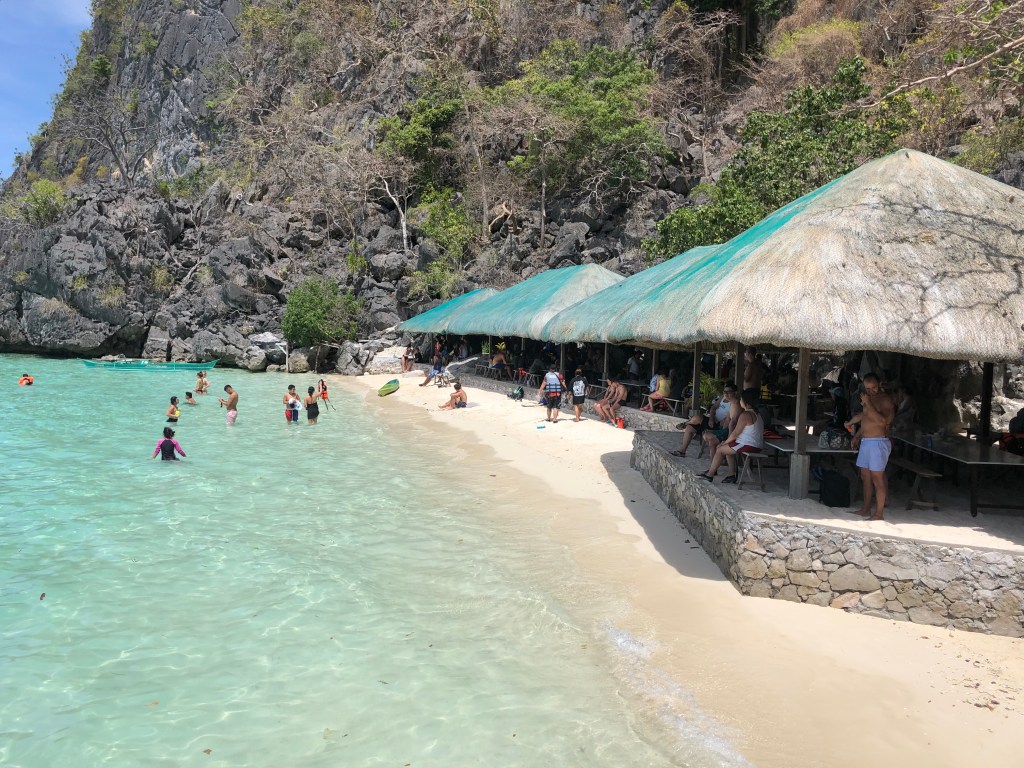
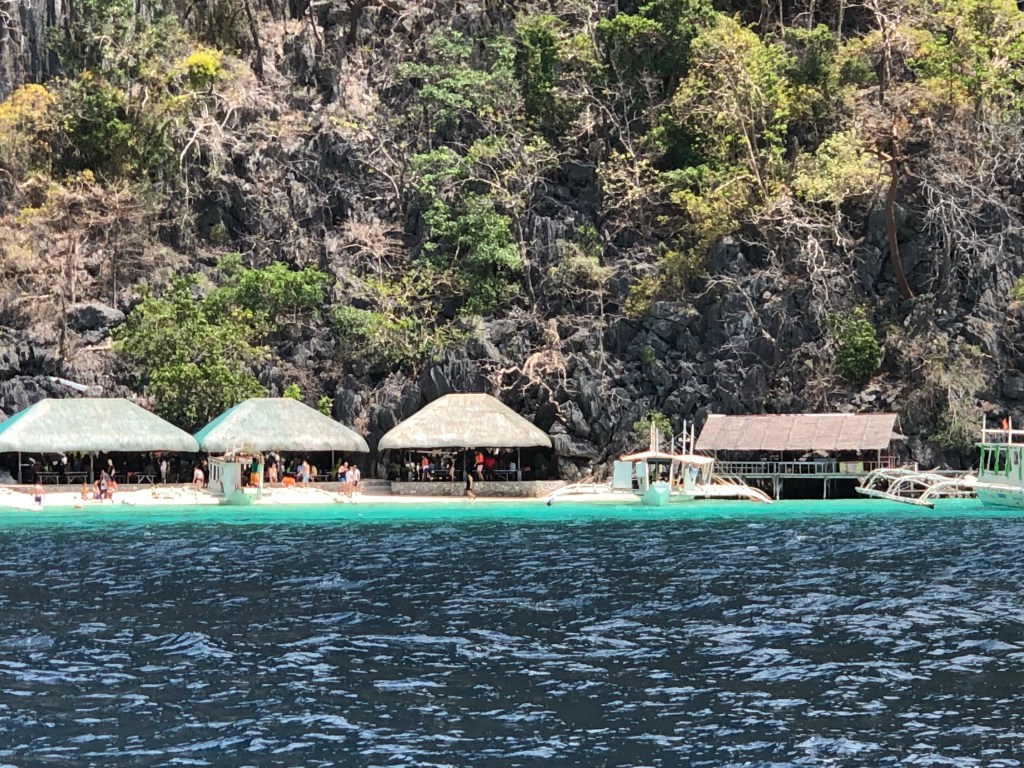
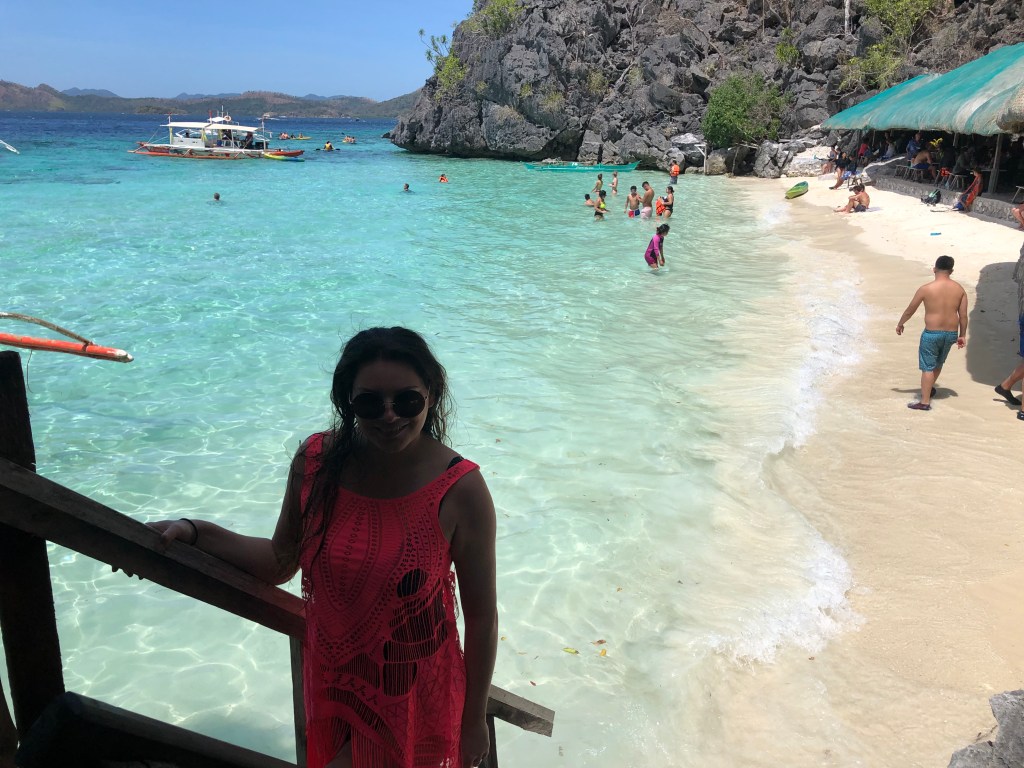
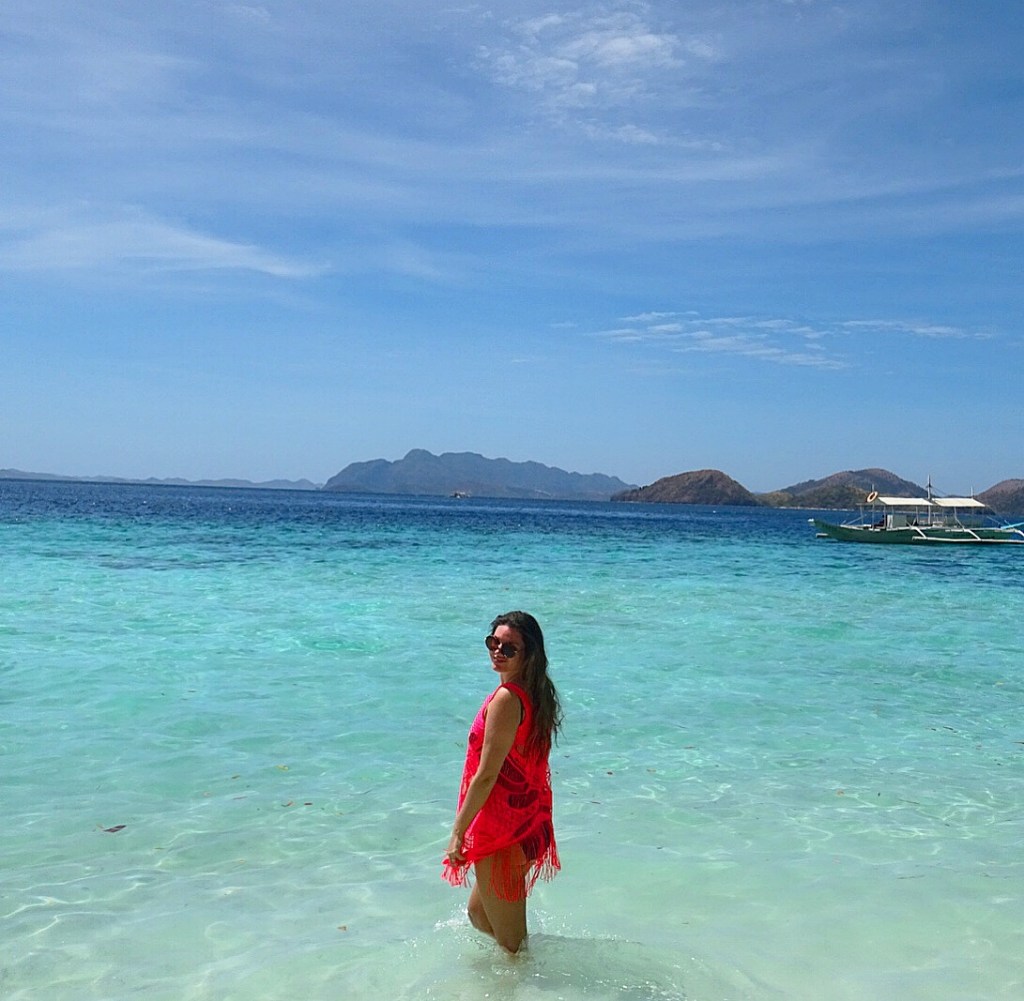
We had our lunch at Beach 19, and as our boat approached the shore, we were immediately struck by the beauty of this beach. The water displayed an indescribable hue that captivated our senses. We spent a considerable amount of time on this beach, initially sharing it with a significant number of visitors. However, as time passed, the crowd dispersed, leaving our group to enjoy the beach in solitude, a moment we relished. Lunch was served in a buffet style, featuring local dishes. While it may not have been the most exceptional meal I’ve ever had, it was in line with my previous experiences on such trips. During our lunch, two talented individuals entertained us with their enchanting vocals and guitar skills, enhancing the already pleasant atmosphere. The beach provided an ideal setting to relax and enjoy the mesmerizing ocean. The vivid blue-green color of the water was so intense that it almost dazzled the eyes. Once we immersed ourselves in the water, it was hard to leave this enchanting place.

Twin Lagoons

Following our enjoyable time on the beach, we proceeded to our next destination: the Twin Lagoons. This area bore similarities to the Kayangan Lake, and if my memory serves me right, they are somehow interconnected. The standout feature here was a rock tunnel that we had to swim through in order to reach the lagoon. Fortunately, we visited during low tide, allowing us to swim beneath the tunnel. Otherwise, we would have had to climb a ladder to access the other side. Although I must admit, swimming under the tunnel felt a bit nerve-wracking, as it seemed like I was on the verge of bumping my head. Nevertheless, it was an exhilarating experience.

The swim from the boat to the tunnel was a considerable distance, and at that moment, we regretted not having flippers. Nonetheless, we persisted and eventually succeeded.

Cyc Beach

After leaving the Twin Lagoons, our next intended stop was Cyc Beach. I had been eagerly anticipating this beach due to its renowned beauty. However, fatigue had taken its toll on everyone aboard the boat. We were all exhausted from the day’s activities and the constant embarkation and disembarkation process. Consequently, we collectively decided to skip visiting Cyc Beach. Looking back now, I genuinely regret that decision, as I have come to realize just how stunning the beach truly was.

Barracuda Lake

Our final destination before returning to Coron town was Barracuda Lake. Upon reaching the lake, we anchored the boat and swam to the shore. This location shared similarities with the other places we had visited earlier. We were informed that the water in Barracuda Lake could reach temperatures as high as 40 degrees Celsius. Climbing a few steps, we arrived at the lake, greeted by a breathtaking sight. The lake was deep and the water incredibly clear, making it an ideal spot for diving. Surprisingly, the water temperature did not feel significantly warmer than the other lakes we had visited. Unfortunately, I do not have any photos to share from this location, as swimming was required to reach the lake. However, the scenery resembled that of Kayangan Lake, with the same requirement of wearing life vests for safety.

Other info…

We had concerns about experiencing motion sickness during the trip, but fortunately, we fared well. We didn’t feel sick at all, and I must attribute our smooth journey to the exceptionally favorable weather conditions we encountered. However, I would suggest bringing your own water since we didn’t receive any onboard, apart from during lunch. Additionally, it’s advisable to bring your own snorkeling equipment, including flippers, masks, and snorkels, as they are not provided. Prior to departure, you have the option to rent this equipment for an extra fee. The guide might mention that flippers and water shoes are necessary, but to be honest, we found them to be unnecessary. We managed without them, although flippers could have been useful for the swim from the boat to the shore. Nonetheless, in harsher weather conditions or stronger currents, it would be advisable to consider wearing flippers for added safety.

In retrospect, I found the entire boat trip to be quite exhausting. Despite the recommendations to choose the ultimate tour encompassing all the attractions, I realized that a more selective itinerary would have sufficed. Given the opportunity to choose again, I would opt for a trip that includes the breathtaking Kayangan Lake, perhaps the Twin Lagoons, and the chance to snorkel at the Malwawey Reef. As someone who appreciates beaches, I would definitely allocate more time to enjoy the serene beauty of both beaches. Despite the exhaustion, I must admit that the trip was truly unforgettable due to the stunning scenery we encountered along the way.

Coron, Palawan (day 1)

We departed for the domestic terminal in Manila around 7:30 in the morning, concerned about the possibility of a two-hour journey from Makati to the airport during rush hour. To ensure we didn’t miss our flight, we decided to leave very early. Surprisingly, the trip only took us about 20 minutes, leaving us confused as to why people had mentioned such long travel times online. Upon arriving at the domestic terminal, we realized that we had left too early. Unlike the international terminal, the domestic terminal was in a completely different building and had limited amenities. We felt a bit disappointed about leaving so early, but at least we had free access to the internet. Lesson learned: remember that the domestic and international terminals are separate, and be mindful of your departure time to avoid unnecessary waiting.

Getting to Coron town from the airport

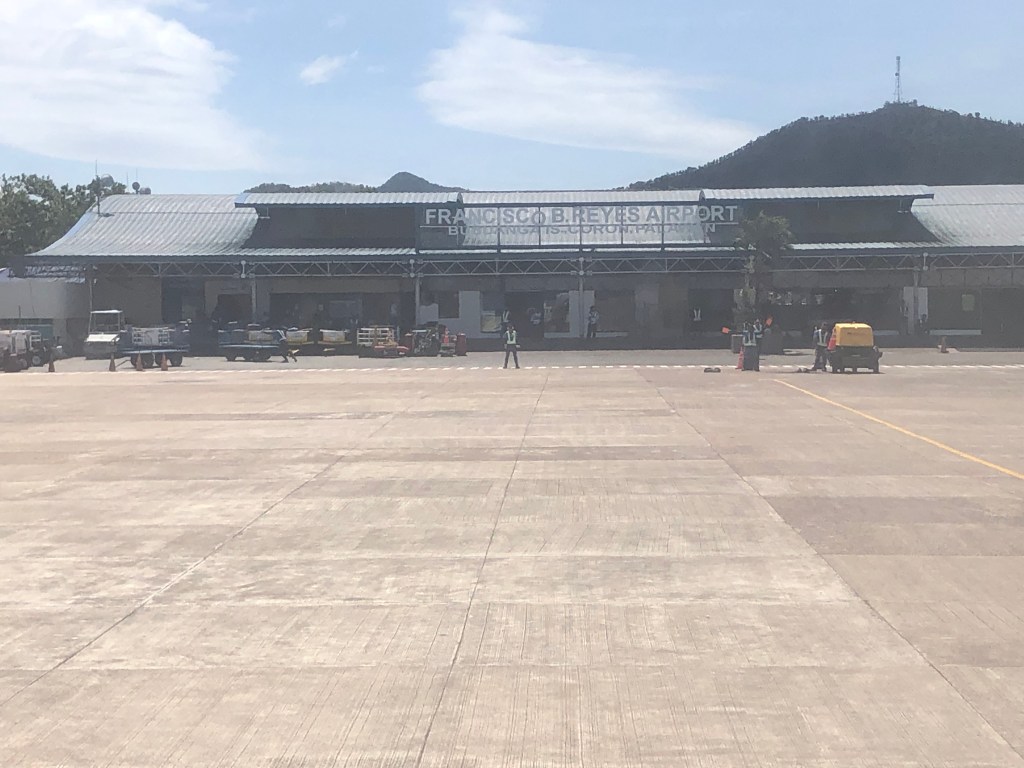
The flight to Coron was a short 40-minute journey. The plane was nearly empty, likely due to the impact of the coronavirus. The views from the windows were absolutely stunning! As we soared above numerous paradisiacal islands, it felt like we were flying over the Maldives. It was then that I truly realized the beauty of the Philippines.

Upon landing in Coron, someone from the hotel quickly picked us up and led us to a van that would take us to our accommodation. Only vans were available outside; there were no private cars or taxis. It seemed that hotel transfers were arranged upon arrival, and these vans were not owned by the hotels but served as shared shuttles, dropping people off at various hotels.

The road to Coron town was quite bumpy and winding, and we experienced some motion sickness during the ride. If you are prone to motion sickness, I recommend taking some medicine beforehand. Despite feeling a bit nauseous, we managed to make it through the journey and enjoyed the rest of the day.

Hotels

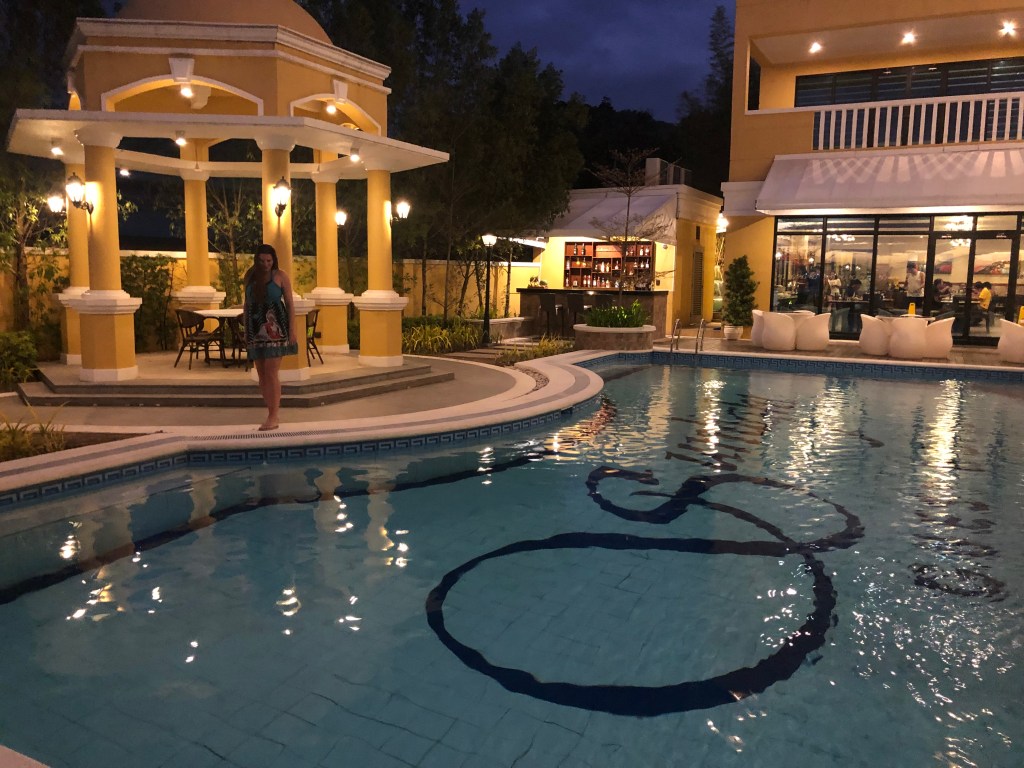
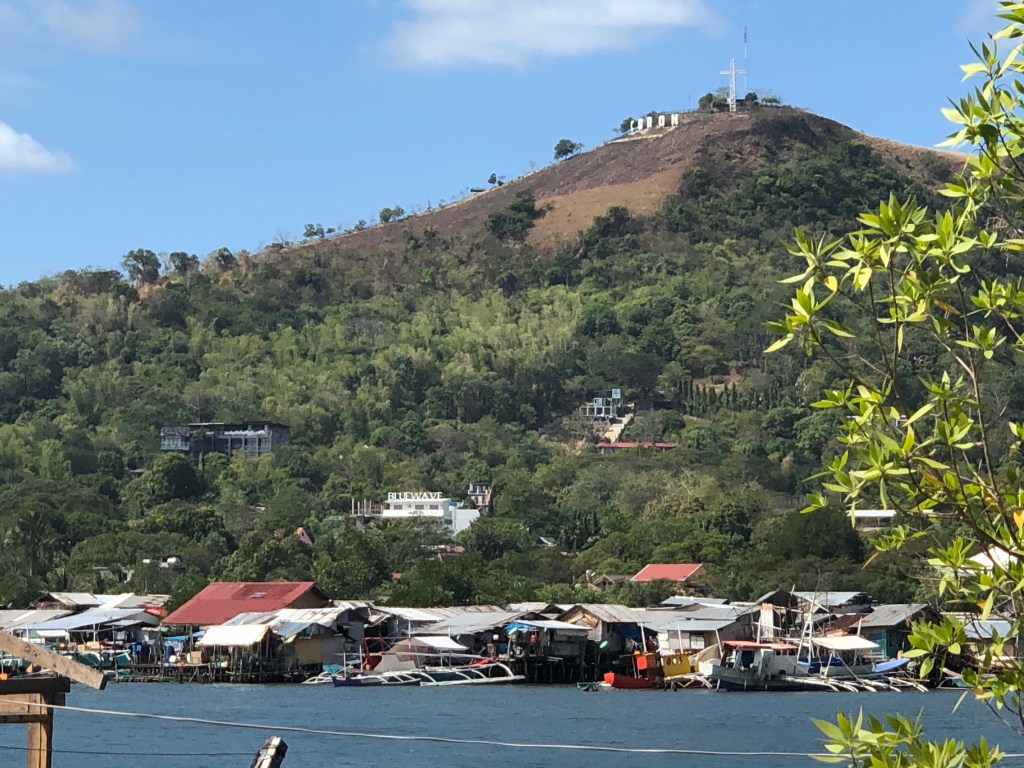
It took us around 30 minutes to reach our hotel, the Sunlight Guesthouse, located just outside of Coron town. It’s considered one of the better hotels on the island, but to be honest, there aren’t many luxurious options available in Coron. For those seeking an ultra-luxurious experience, staying on a private island might be the best choice. However, that wasn’t feasible for us as we only had a 2-day stay, with one day dedicated to a boat trip.

The hotel itself was decent, though the rooms were on the smaller side, and the beds felt as hard as rocks. We requested extra mattresses, and the receptionist readily accommodated our request without any hesitation, leaving us with no complaints. The only drawback was the room’s view, which was obstructed by a wall, ooffering no scenery at all. Nevertheless, since we didn’t spend much time in the room, it didn’t bother us much.

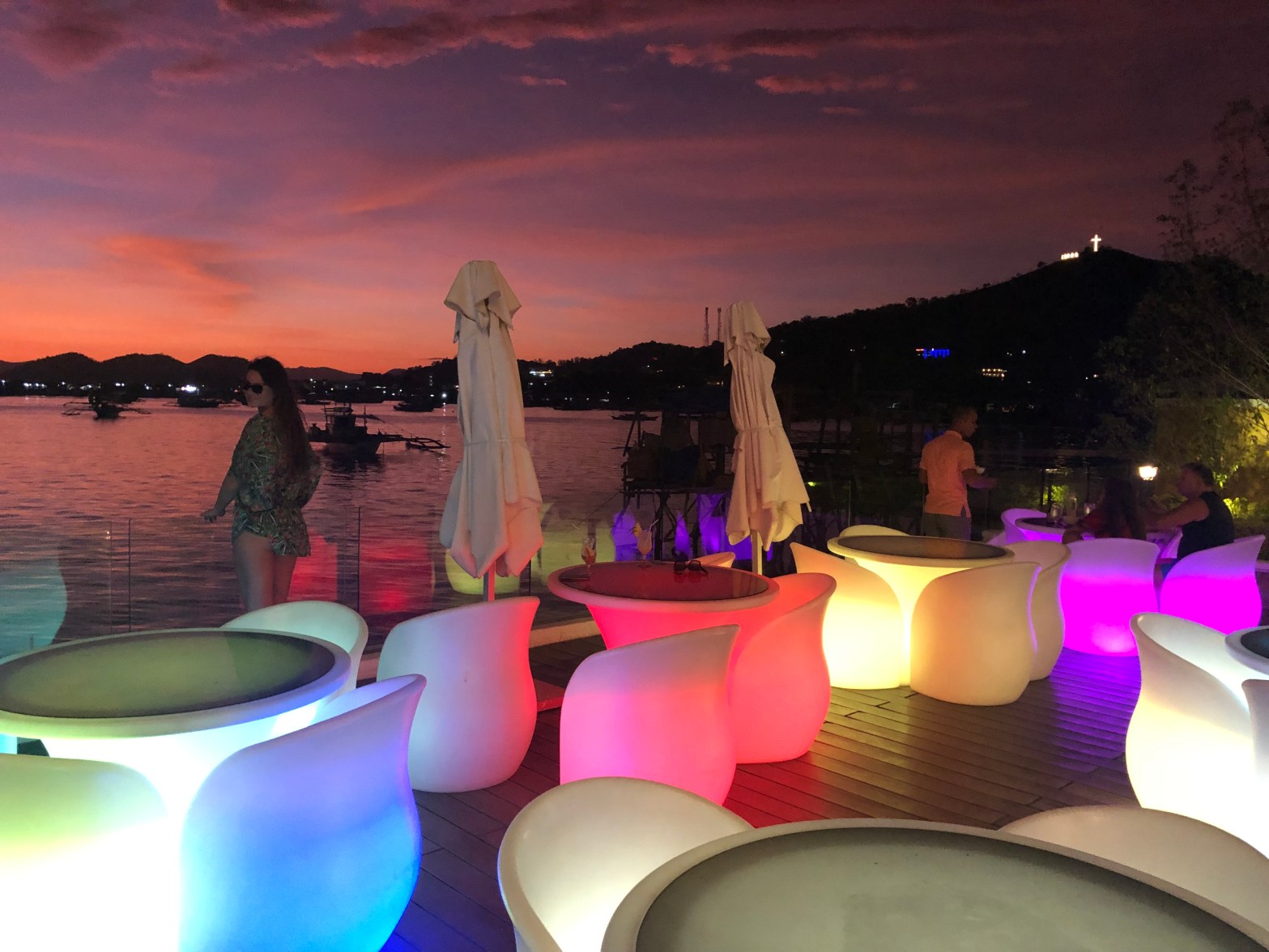
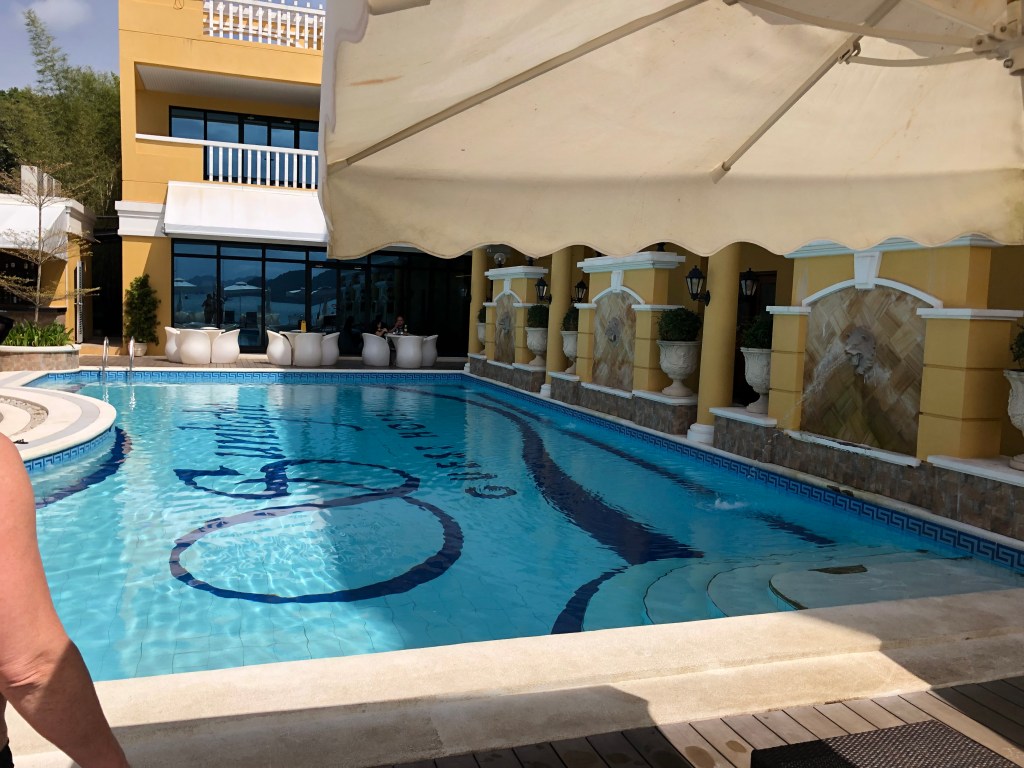
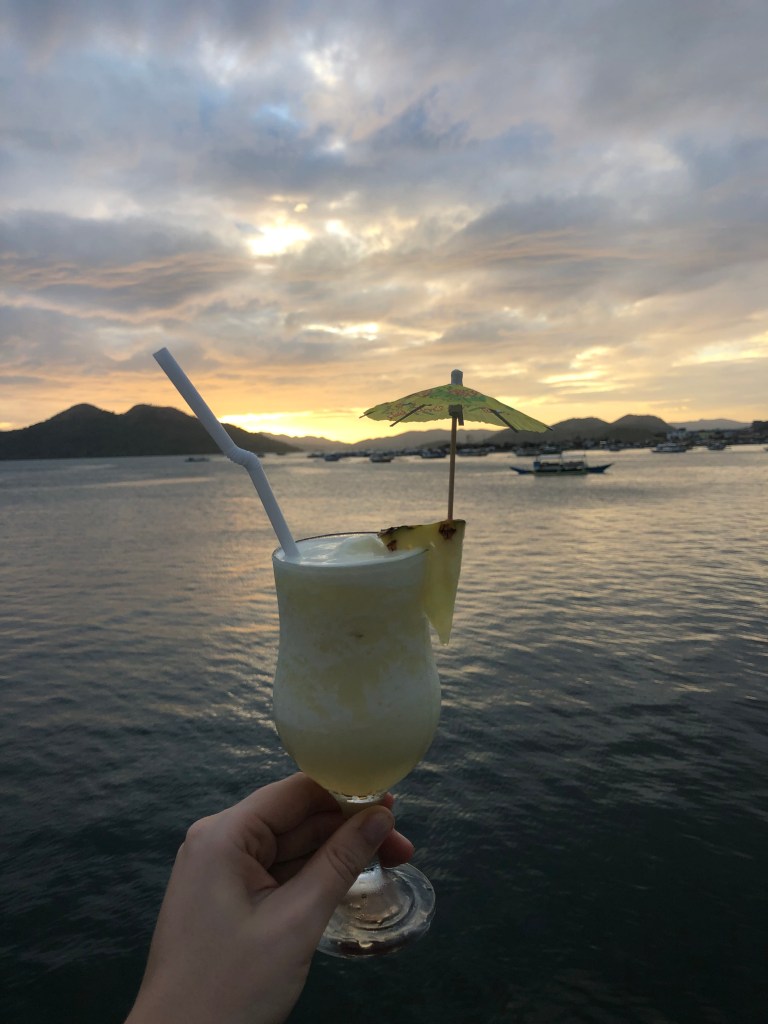
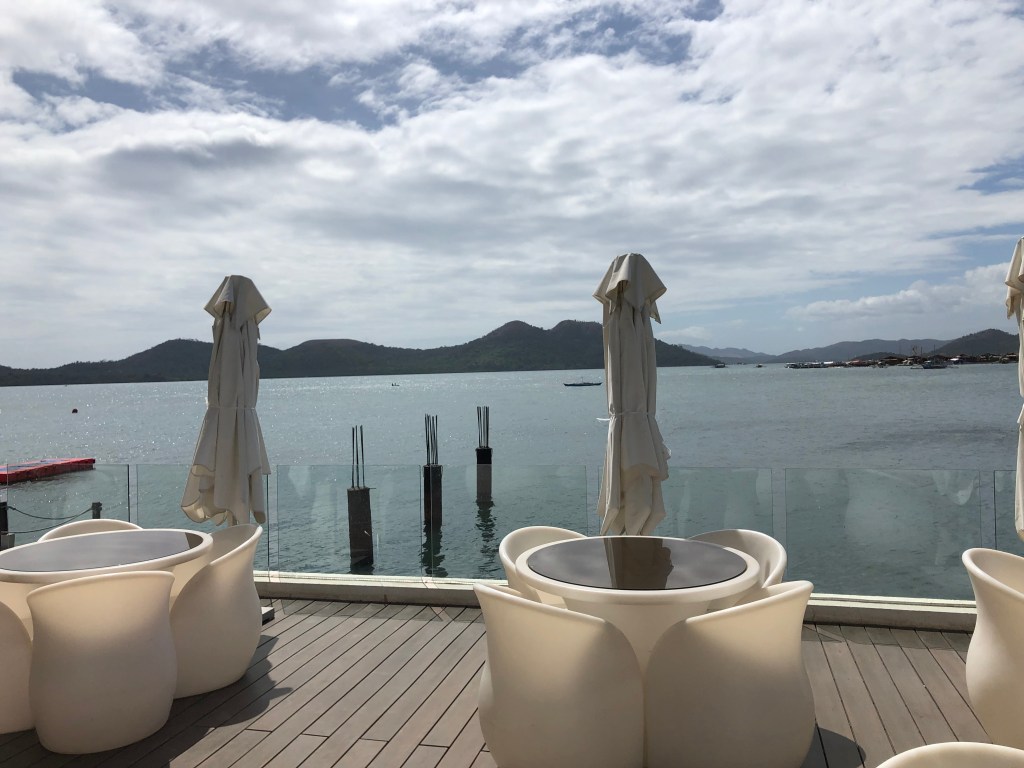
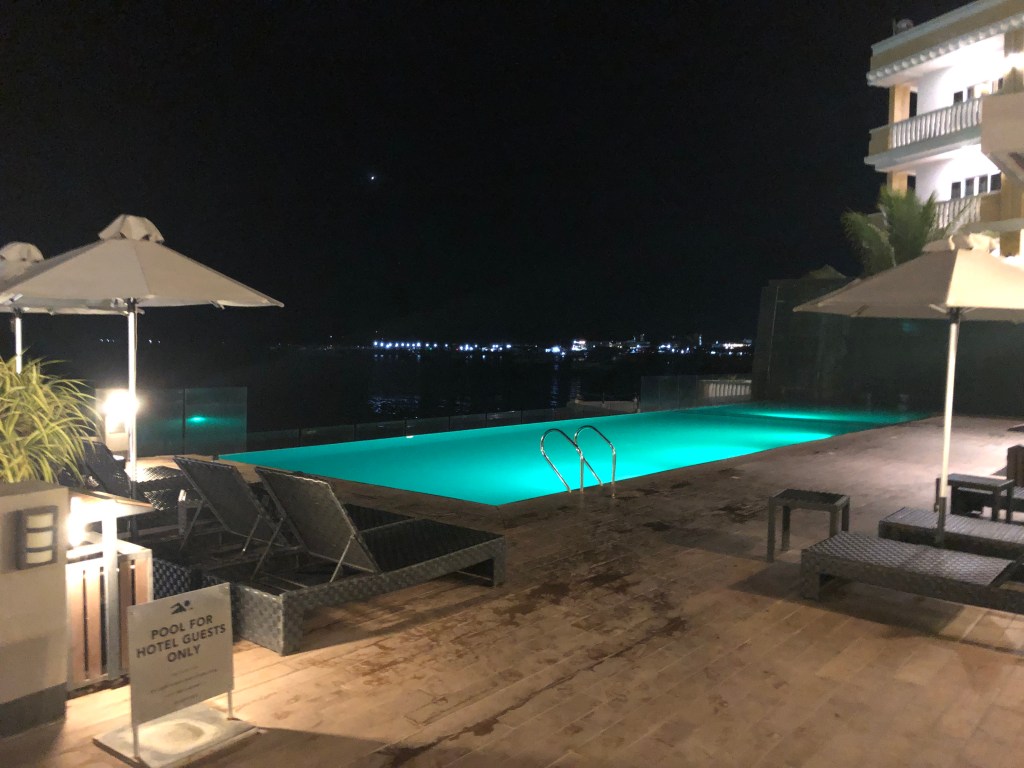
The pool area, on the other hand, was absolutely charming, offering a beautiful view of the sea. It was the perfect spot to relax on our first day, where we enjoyed the breathtaking sunsets and sipped cocktails while the chairs around us lit up in various colors. It was a wonderful way to unwind and appreciate the island’s scenic beauty.

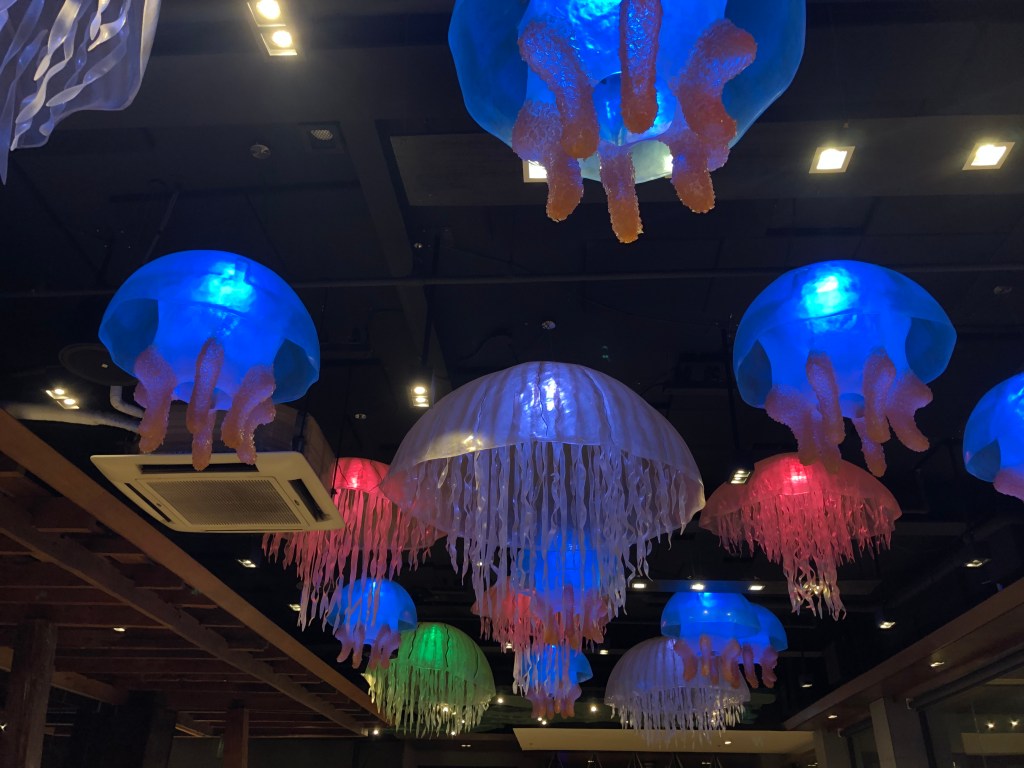
On the second day of our stay, after the day trip, we decided to visit the hotel next door, the Two Seasons, for dinner. We were genuinely impressed by the hotel’s interior and the restaurant’s ambiance, both of which added to the enjoyable dining experience. The restaurant not only served delicious food but also had a well-designed interior, making it a pleasant place to dine. However, the wine we had at the restaurant was not up to our expectations. It appeared that wine might not be as commonly consumed in the Philippines, as the quality of the wine we ordered wasn’t great, and it was quite expensive for what we received. Despite this, we had a pleasant overall experience at the Two Seasons Hotel, and we truly appreciated the positive aspects of our visit.

Coron Town

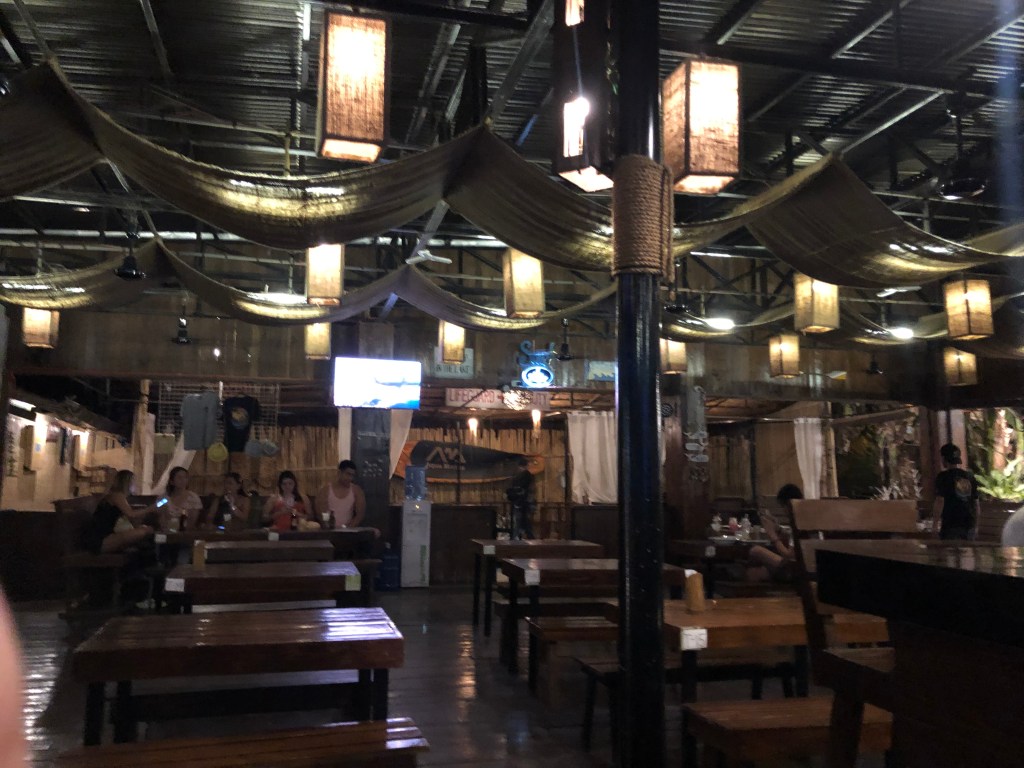
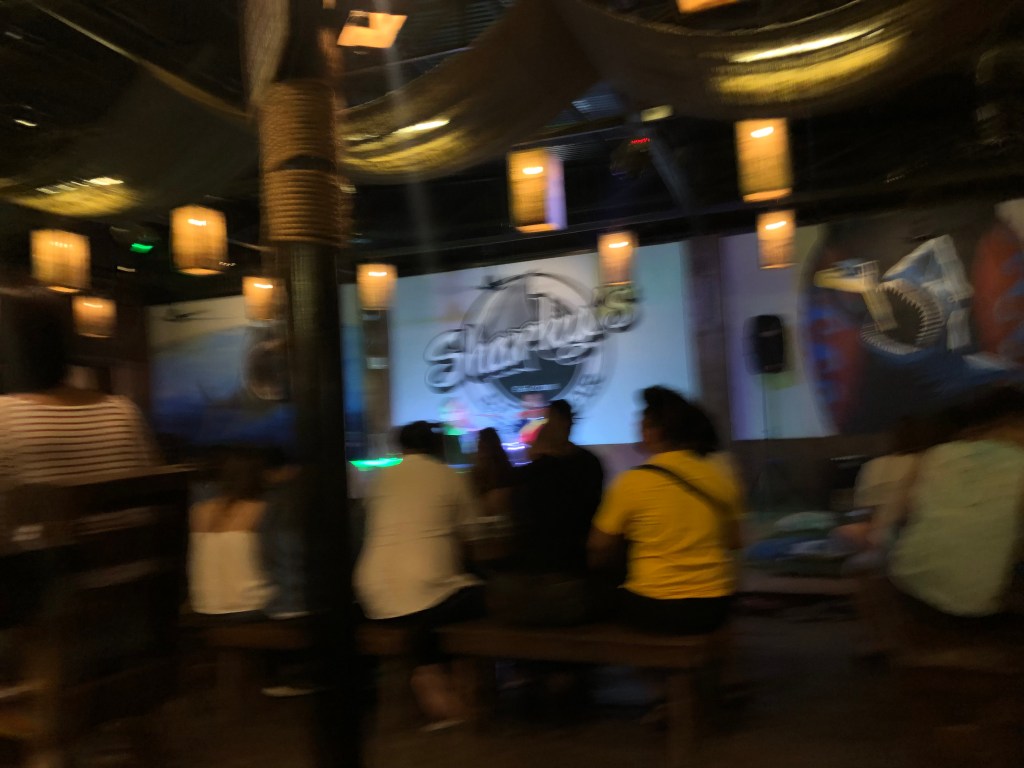
On the first evening, we decided to explore Coron Town and have dinner at a live music venue. The hotel receptionist recommended a place called Sharks, and we were genuinely impressed with our experience there. The singer’s performance was outstanding and what astonished me even more was that many Filipino tourists joined the singer on stage and sang along, and they were all fantastic! It seemed like a common talent among Filipinos to have great singing skills.

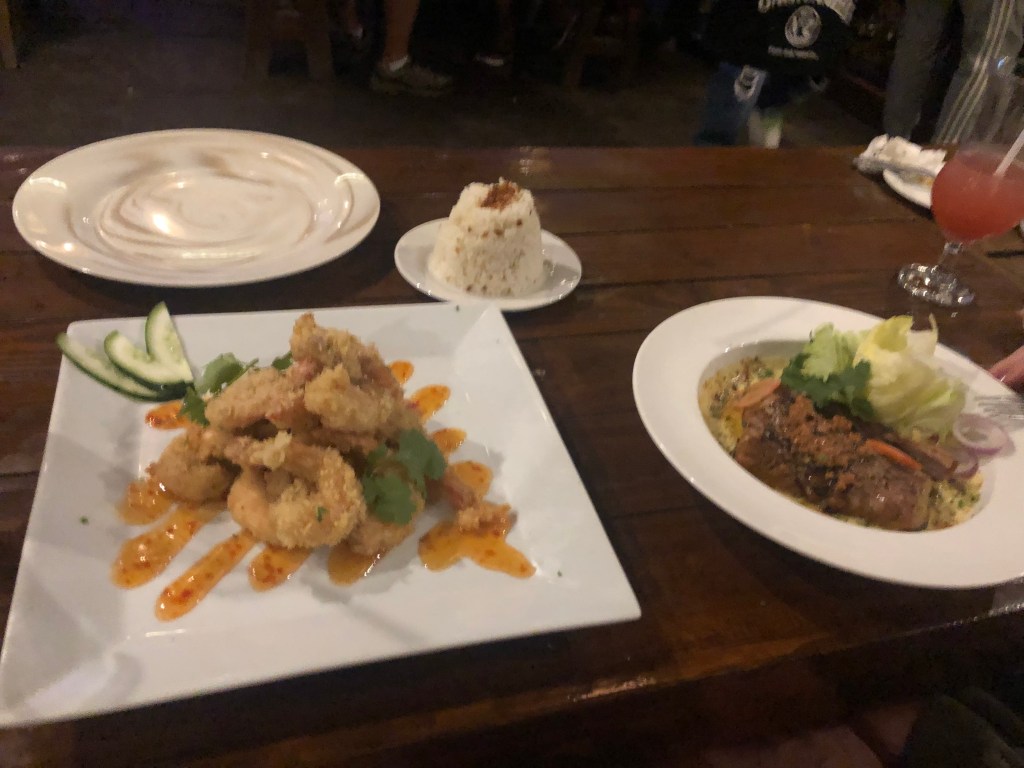
Although we didn’t stay at Sharks for too long, as we had to wake up early the next day for the boat trip, we thoroughly enjoyed the time we spent there. The food was quite good, and the atmosphere was lively. It appeared that many other visitors had similar plans, as they also left early. Overall, Coron City itself wasn’t the most beautiful, but it was better than I had expected. The lack of pavements made walking a bit challenging and nerve-wracking, especially with the tricycles driving around recklessly.

One thing that surprised us was the limited availability of regular stores. Instead, there were mainly kiosks and small shops. Bringing your own sun lotion is essential on this island, as it was hard to find anything lower than SPF 30. While you may think SPF 30 is too low, it suits my skin type to get some tan. Despite this, I was surprised by the abundance of restaurants in Coron town, many of which looked quite appealing and inviting.

My overall impression of Coron island was quite positive, even though it might not be the best place in the Philippines to stay if you’re specifically looking for beautiful beaches. While there are likely beaches on the island, they might not be conveniently located within the town area. However, the real beauty of Coron lies in its stunning islands accessible by boat, and I believe that’s the main reason why people come here. The next time I visit Coron, I’ll make sure to choose a hotel located on one of those private, paradise-like islands!

Tomorrow, I’ll write more about our day trip on the second day of our stay and all the mesmerizing sights we encountered.

Makati, Manila

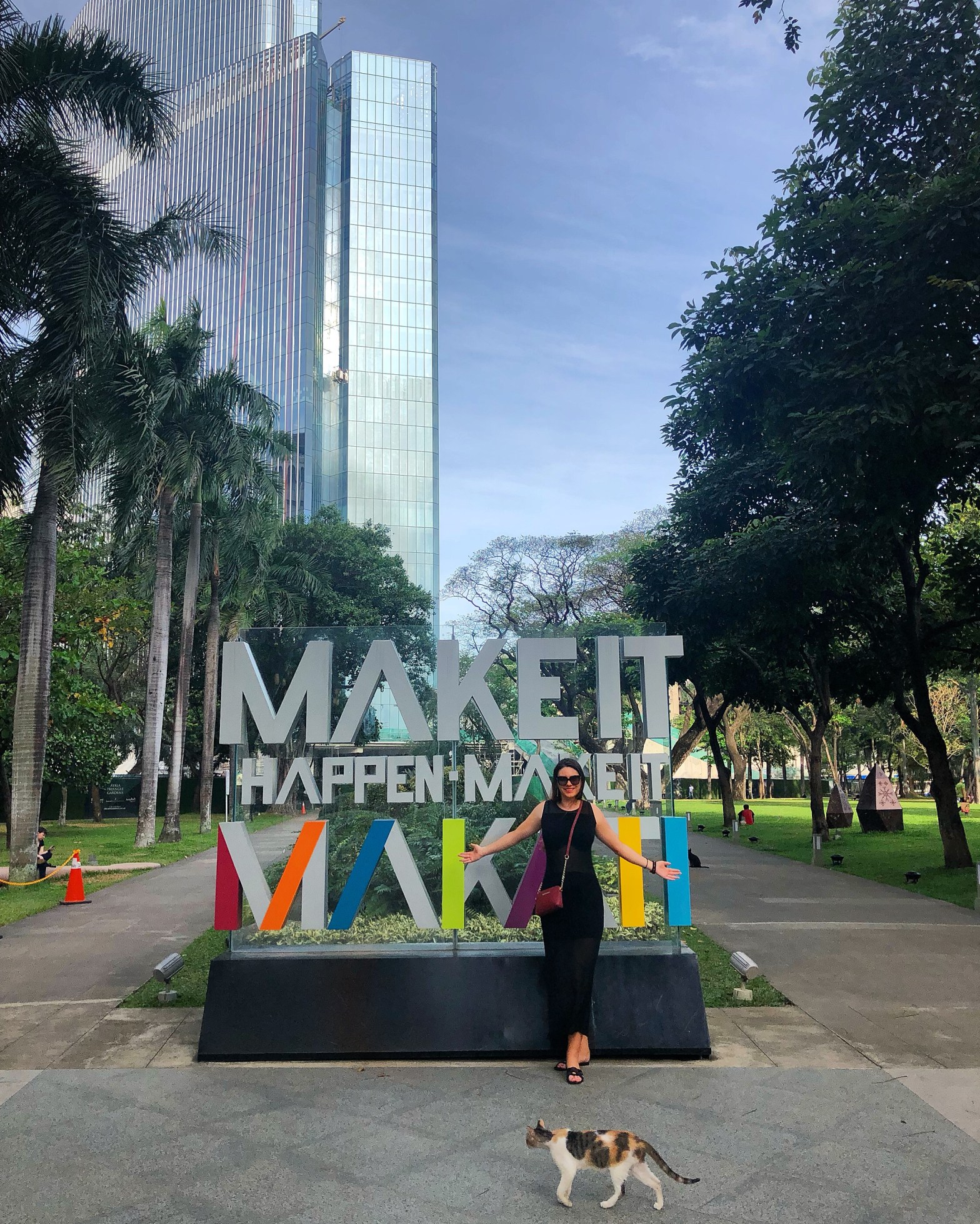
In the past, when I sought advice from my Filipino friends on where to stay in Manila, their responses were often discouraging. They would suggest that it might be better to avoid the city altogether, citing it as not being a pleasant place to visit. According to them, the only viable option for a more enjoyable experience would be to stay in Makati, an upscale neighbourhood within Manila. Their advice seemed to suggest that this area was the only place where I might find comfort and enjoyment during my stay.

Two years ago, I arranged a travel itinerary for my dad to Boracay with an overnight stay in Manila. Relying on the advice of my friends, I decided to book accommodation for him in Makati. However, I was unaware of the fact that Makati is a large neighbourhood, which caused a bit of confusion.

Wanting to find a budget-friendly hotel for him and his fiancé, I thought I was doing the right thing by selecting the Best Western on P. Burgos Street. Unfortunately, I later discovered that this area was actually the red light district of Manila. Although I had read online that it was an exciting place to be in Makati, I have no idea who wrote that misleading information.

Subsequently, my father and his fiancé conveyed their distressing experience to me .The street was chaotic, teeming with prostitutes, and crossing it became an uncomfortable experience as they were constantly harassed and waved at whenever they glanced out the window. Ultimately, they had a fantastic time because, alongside the strip clubs and prostitutes, they discovered a few lively live music venues and a vibrant street food market in the area that added to their enjoyment.

Initially, I held the impression that Manila might resemble other bustling Asian cities like Bangkok or Ho Chi Minh. However, my perception took a complete turn after my dad’s stay there. Hence, when it came to booking a hotel for our trip, I decided to delve deeper into my research. Online sources suggested that the area surrounding the Ayala triangle should offer a pleasant experience. Despite my excitement about this possibility, my dad remained skeptical, unable to believe that such a place could exist within Manila. Coupled with negative feedback from many of my friends, including those from the Philippines, who advised that Manila wasn’t worth visiting, I was genuinely bracing myself for the worst.

As I mentioned earlier, the journey from the airport to Makati turned out to be surprisingly smooth, contrary to my expectations of heavy traffic and a chaotic cityscape. To my pleasant surprise, the reality was quite different from what I had envisioned. Comparing it to driving in Bangkok, Manila’s traffic seemed much more manageable. What caught my attention was the absence of tricycles, which are common in many other places I’ve visited. Instead, the roads were filled with shiny cars and charming buses known as jeepneys, which I found absolutely adorable.

Being aware of Makati’s reputation for its upscale ambiance, I couldn’t help but have doubts about finding such beauty and tranquility in Manila, considering the things I had heard about the city. However, I was pleasantly surprised and genuinely impressed by the serene and picturesque atmosphere I encountered in this particular part of Manila.

Hotel: Valero Grand Suites

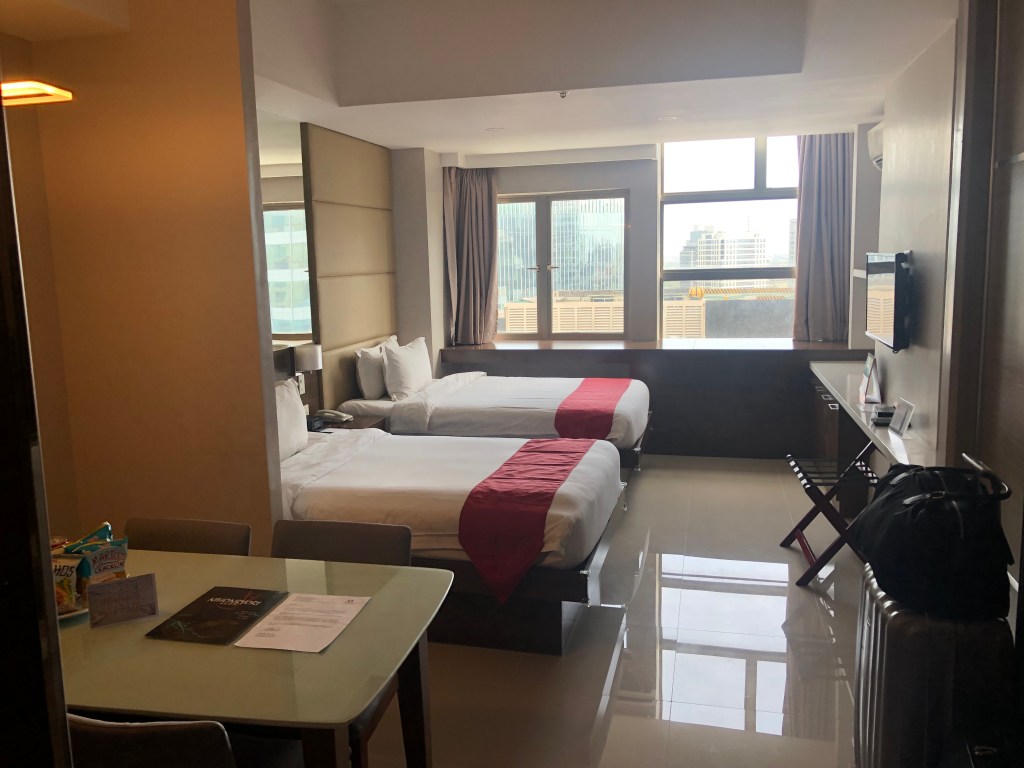
During our stay in Manila, we selected the Valero Grand Suites hotel. To our pleasant surprise, they upgraded us to a more spacious room, almost like an apartment, on a higher floor, which offered fantastic city views. One of the main reasons I chose this hotel was its reasonable price and prime location, and it truly exceeded our expectations.
The hotel’s excellent value for the price we paid left us impressed, and we were genuinely satisfied with our decision. Its ideal location, right next to the Ayala Triangle, made it extremely convenient, allowing us to easily walk to all the upscale shopping malls, which significantly enhanced our overall experience. Moreover, the hotel also had a pool on the top floor, adding to the enjoyment of our stay.

Shopping


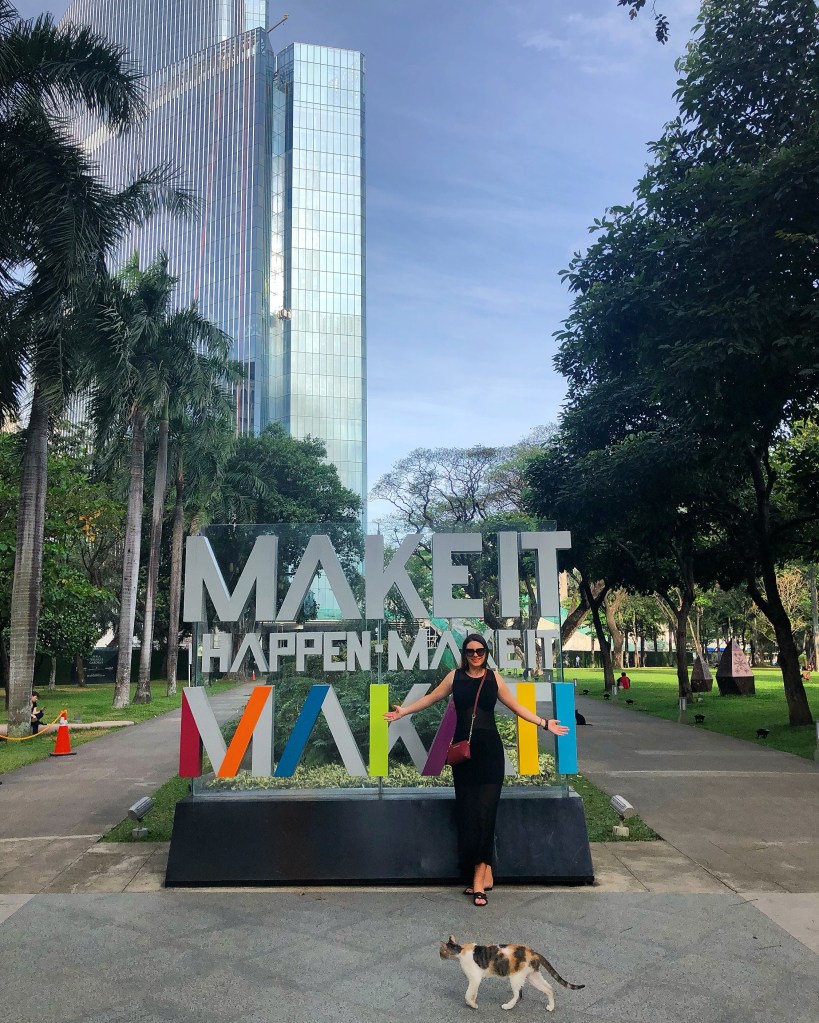
After enduring an almost 24-hour long flight, we decided to explore Makati and have a late lunch instead of dinner to help us adjust to the new time zone and get some rest early. We left our hotel on foot and walked through the Ayala Triangle, making our way to the Greenbelt mall. To our surprise, this neighborhood was nothing like I had imagined! It was clean, with impressive buildings, and the shopping options were truly remarkable.

I have never seen so many shopping malls side by side in my life! There were all kinds of stores, from more affordable ones to exclusive boutiques. Manila turned out to be a shopping paradise, something I had not known before. Even though we were extremely tired, the sheer variety of shopping opportunities almost tempted us to go on a shopping spree (and I’m not a fan of shopping!).

Later that day, a friend of mine texted me about another neighborhood in Manila with even better shopping options, including the largest shopping mall in all of Asia! However, we decided to save that experience for our next visit, as we were eager to rest and recharge after our long journey.

Dining

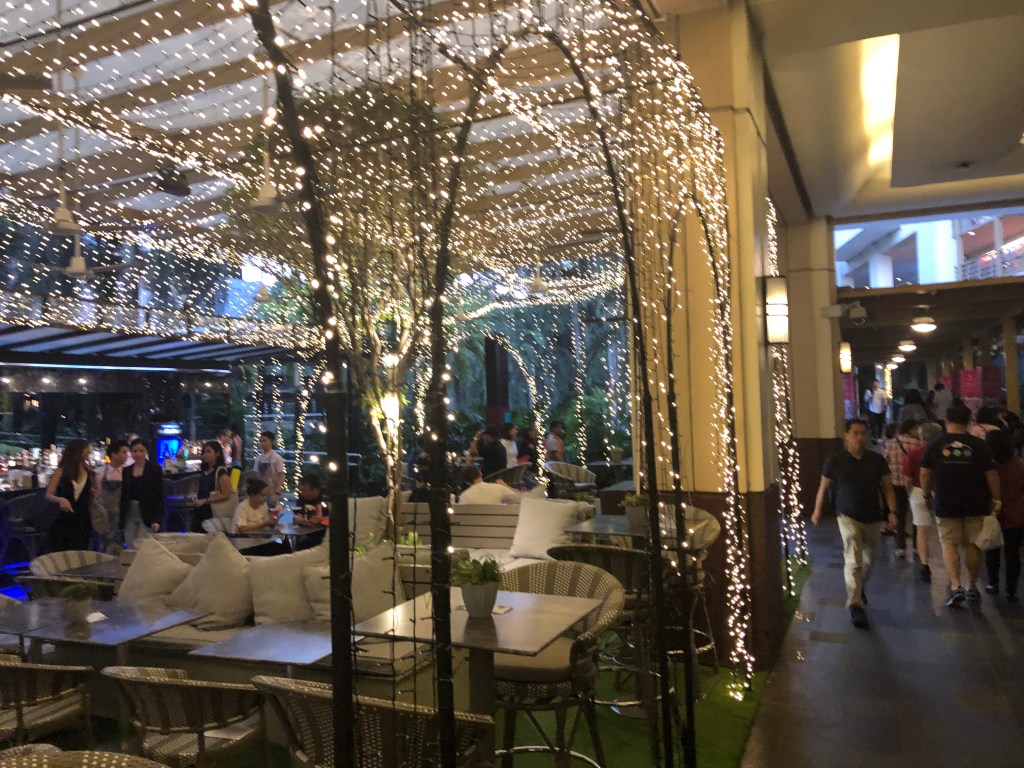
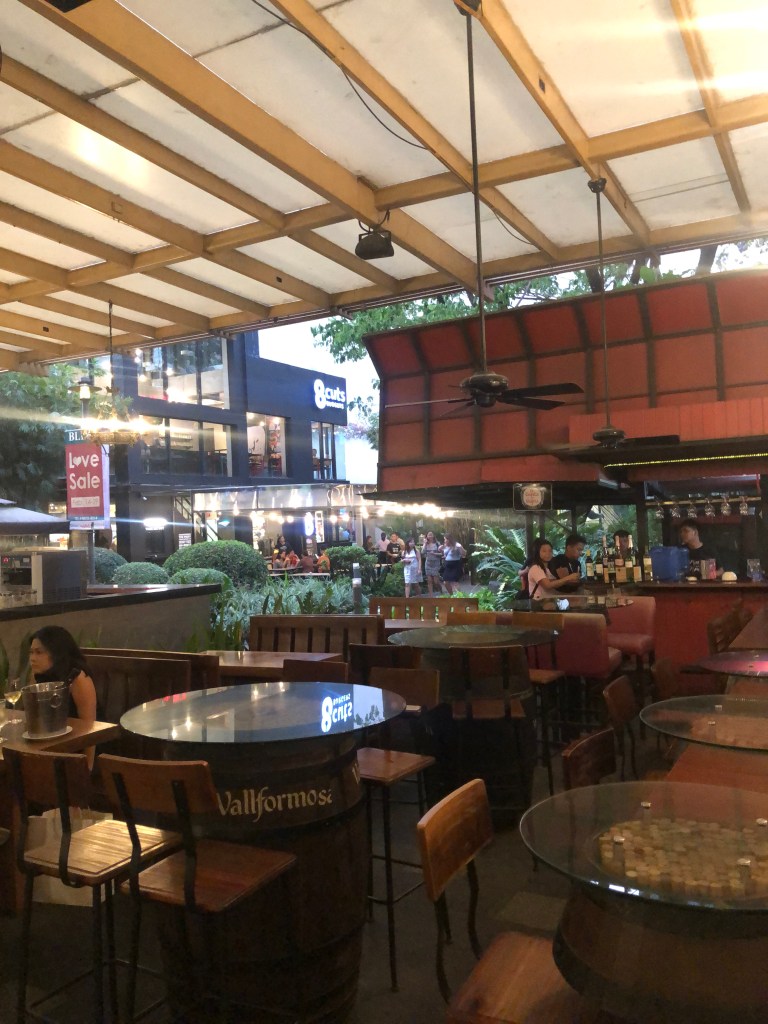
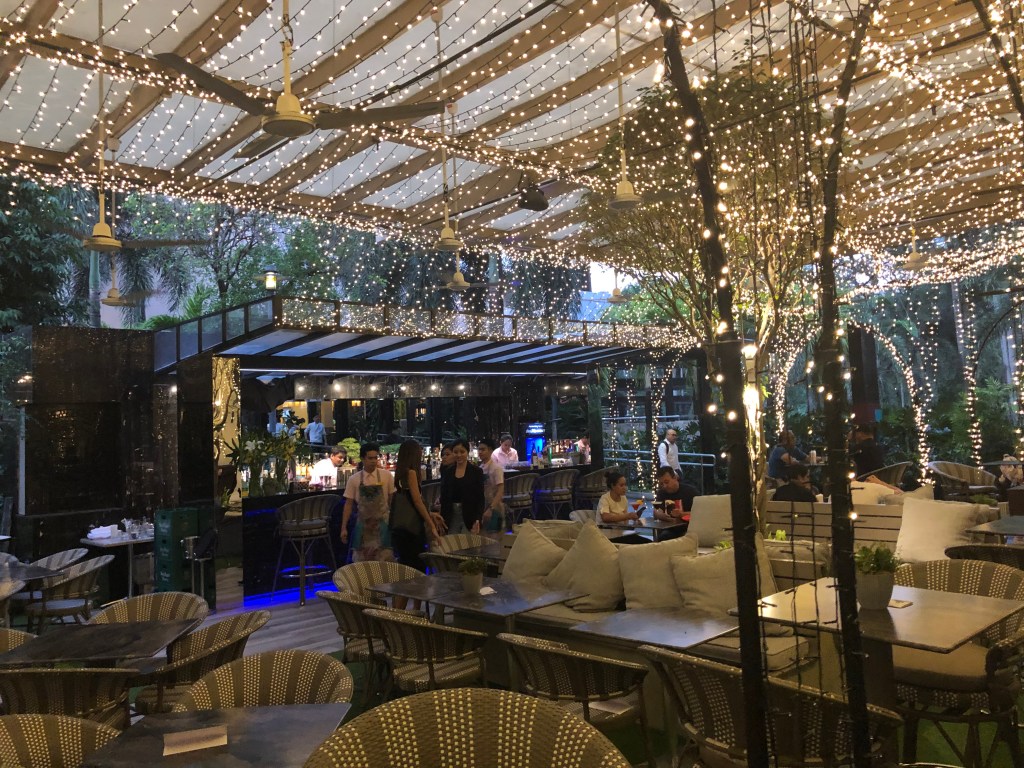
The Greenbelt mall exceeded all my expectations. It wasn’t just an ordinary mall; it was an exquisite place with beautiful surroundings and even a park. As we explored the ground floor, we were pleasantly surprised to find a variety of charming restaurants and bars located outside, within the inner part of the mall.

The atmosphere was truly captivating, and I couldn’t help but imagine how enjoyable it must be in the evenings with live music performances in many of these places. In fact, as we were leaving, we noticed some artists setting up their instruments, suggesting the vibrant nightlife the mall had to offer. The Greenbelt mall turned out to be much more than just a shopping destination; it was an enjoyable experience in itself.

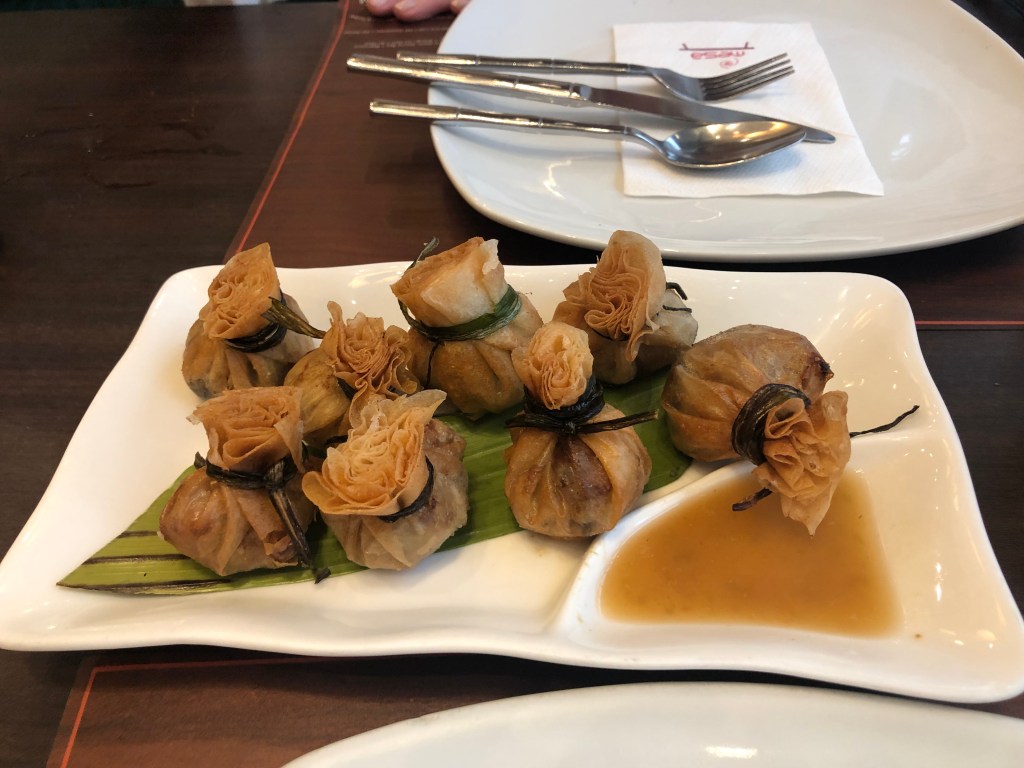
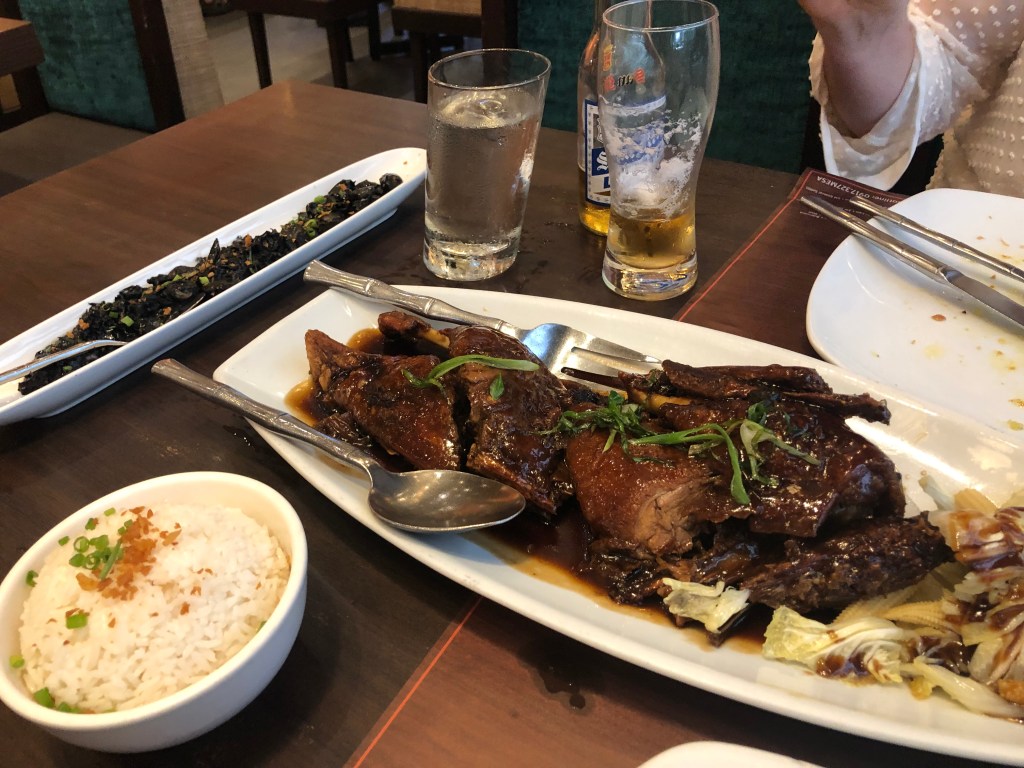
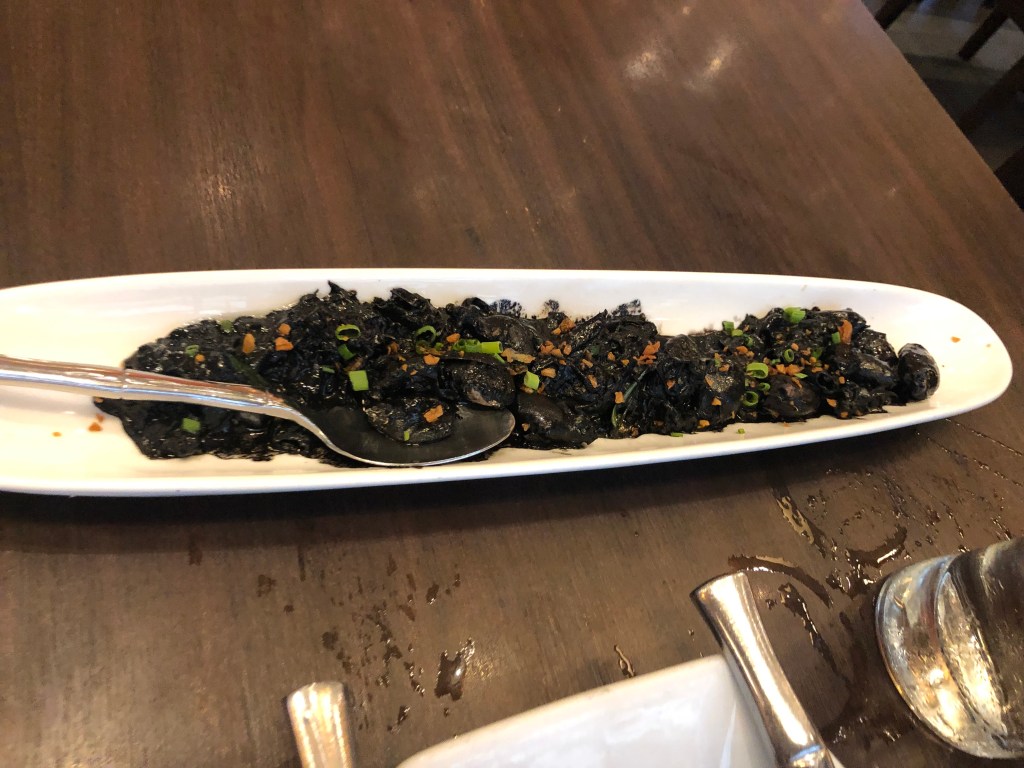
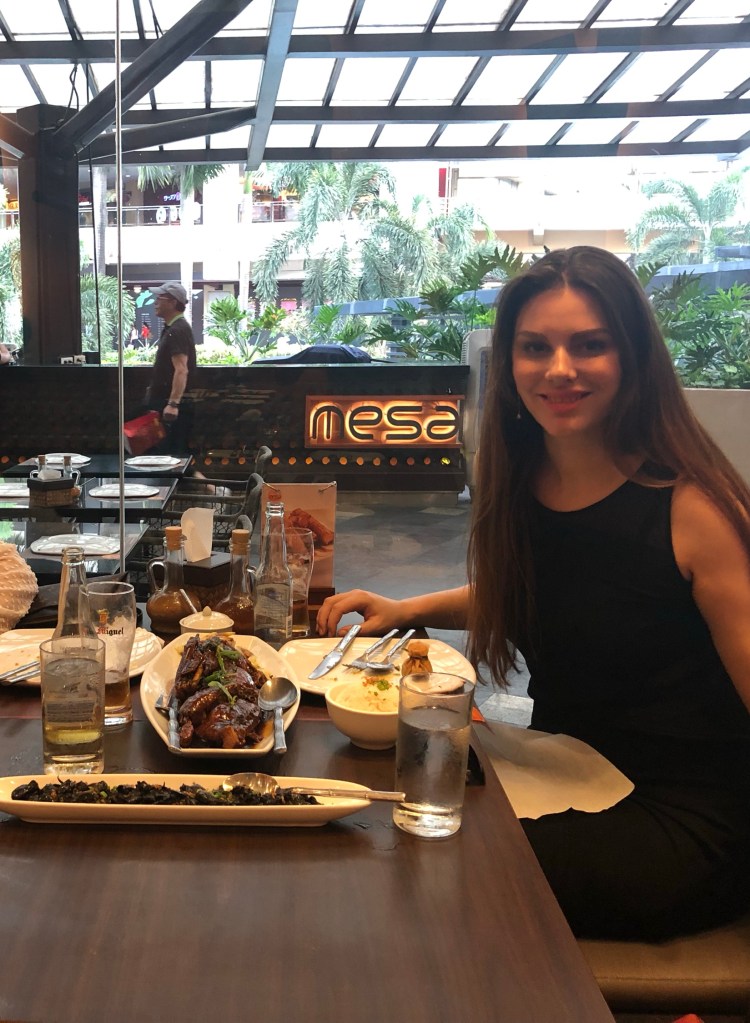
We chose a restaurant called Mesa, offering a modern twist on Filipino cuisine. I had been eager to visit this place ever since seeing Mikey Bustos’ parody of “Shape of You,” where he sings about the Filipino food served at this exact restaurant. To my satisfaction, the food lived up to my expectations.

We ordered an assortment of dishes, including squid in Adobo, sisig dumplings, duck, and scallops, and each one was incredibly tasty. Despite being tired, we genuinely enjoyed our time at Mesa. The flavors were remarkable, and it was a wonderful way to end our first day in Manila.

After returning to the hotel around 8 pm, we headed straight to bed. However, jetlag woke us up at 1 am, and we were feeling quite hungry. Unfortunately, the hotel didn’t offer room service, so I decided to venture outside to find some food. Just next to the hotel, I discovered a fast-food chain called Army Navy, which sold Filipino-style Mexican food. It turned out to be a perfect choice, and I noticed how vibrant the city was even at night, with many others also out buying food at that late hour. The food was really good, and it became evident that Filipinos truly appreciate good food. After satisfying our hunger, we were able to sleep until morning, preparing for our next destination: Palawan.

My perception of Manila, particularly Makati, had completely changed by now, and I must say I genuinely liked it. For someone who enjoys strolling through pleasant streets, savoring delicious food, relishing great cocktails, and shopping, this city is indeed a fantastic place to be. However, it’s important to keep in mind that Makati, like any other city, has better and less desirable areas, so checking the hotel’s location before booking is crucial. I noticed that the hotels near P. Burgos Street were more affordable, but I’m glad I opted for a different area to stay.

On my next visit to the Philippines, I will definitely allocate more time to explore Manila thoroughly. It left a positive impression, and I’m eager to discover more of what the city has to offer.

Traveling to the Philippines

As you may have read in my previous post, I am currently under quarantine due to my recent trip to the Philippines and Singapore. Despite the challenges posed by the ongoing pandemic, I genuinely have no regrets about this journey. It was truly an amazing experience, and I feel grateful for the chance to explore such beautiful destinations. Given the uncertainty surrounding future travel plans due to the various travel bans in place, I cherish the memories created during this trip even more.

Boracay had always been a dream destination of mine, with its picturesque white beaches, coconut palm trees, and turquoise ocean. Throughout my life, I have also made many Filipino friends all over the world, and these extremely friendly, hospitable, and smiling friends of mine strengthened my desire to visit their country. Before booking the final domestic flights in the Philippines, we also decided to add another destination to our trip: Coron, Palawan, where we would go for 2 nights before heading to Boracay. In addition, we would first stay one night in Manila.

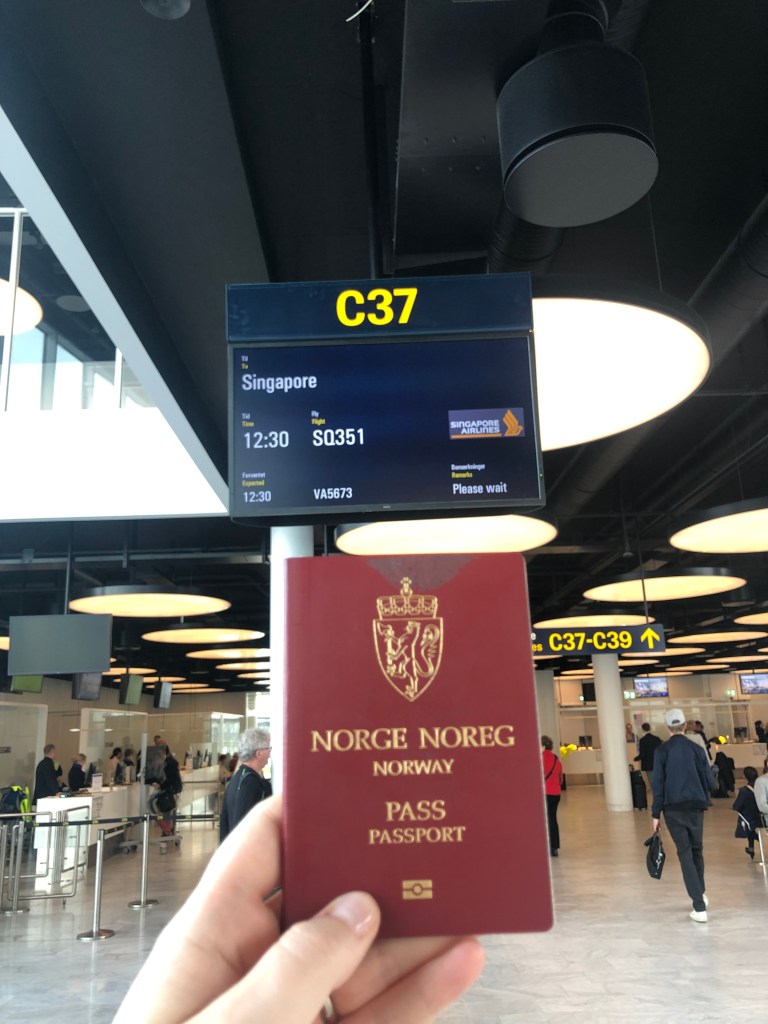
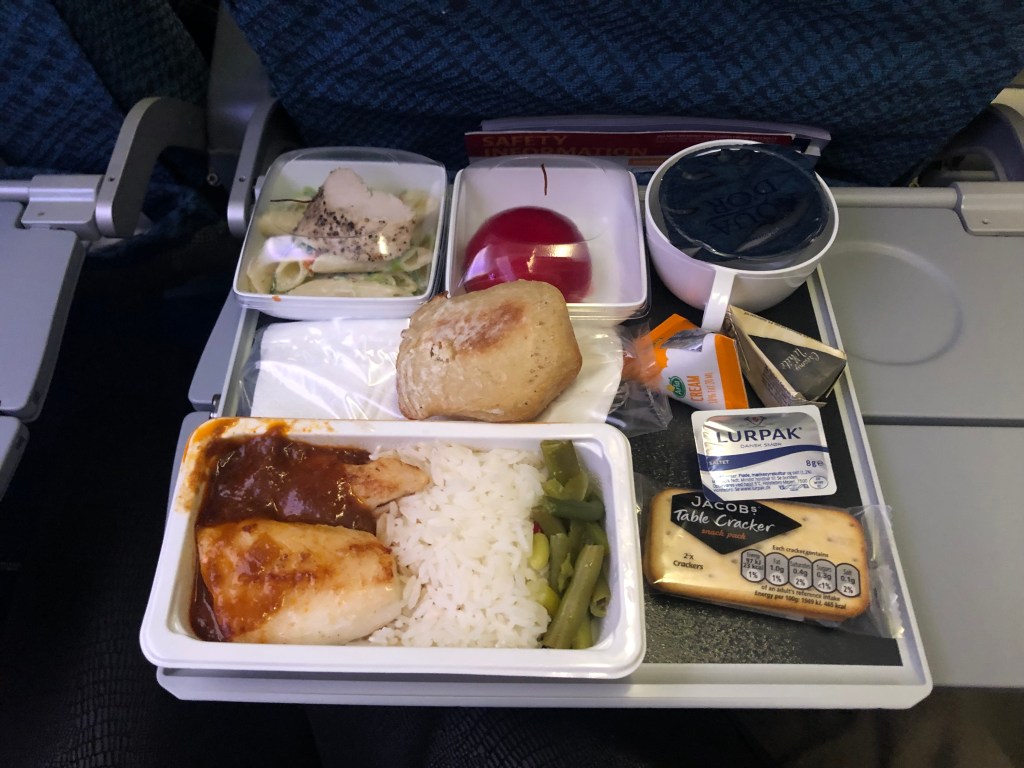
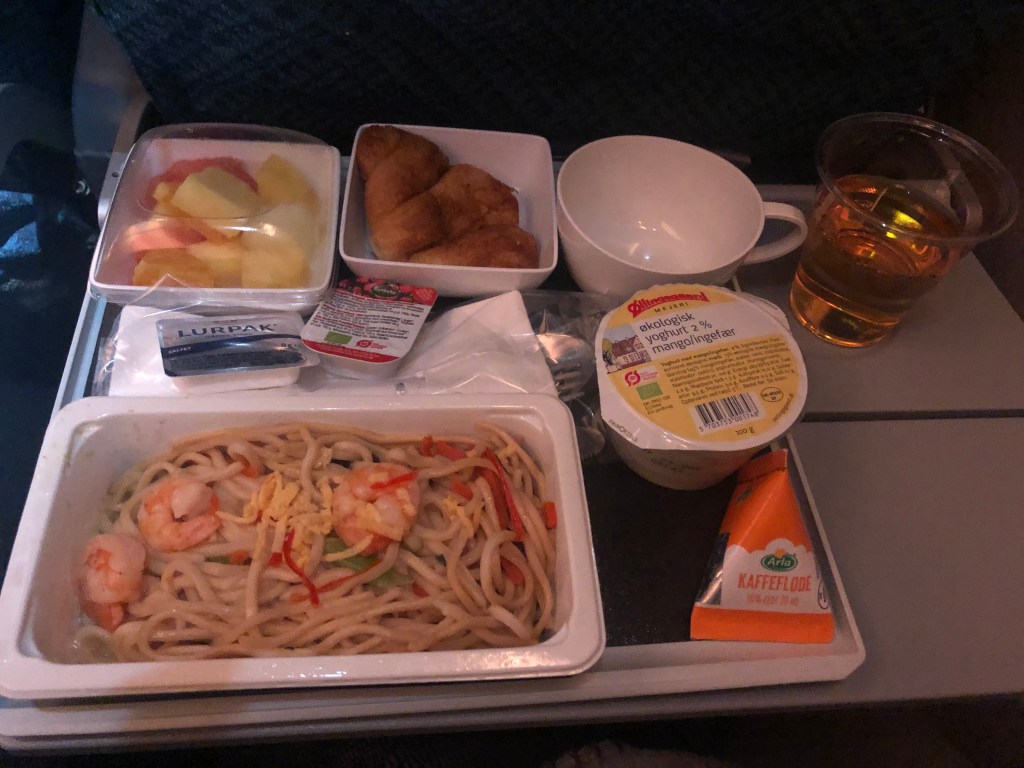
From Copenhagen, we flew with Singapore Airlines to Singapore. It had been a while since I last flew with them, the last time being when I was 16 years old during a trip to Australia. Once again, Singapore Airlines lived up to its reputation. The food served onboard was delicious, and the legroom was generous. To our pleasure, we had the entire row to ourselves, which made the journey even more enjoyable. The abundance of free seats could likely be attributed to the ongoing coronavirus outbreak, but it didn’t deter us from going to the Philippines.

Whether our decision to travel was wise or not, we are yet to find out, as the quarantine period is still ongoing, and we have 4 days left. So far, we have remained symptom-free. It’s worth noting that, at the time of our travel, there were more coronavirus cases in Norway than in the Philippines and Singapore combined.

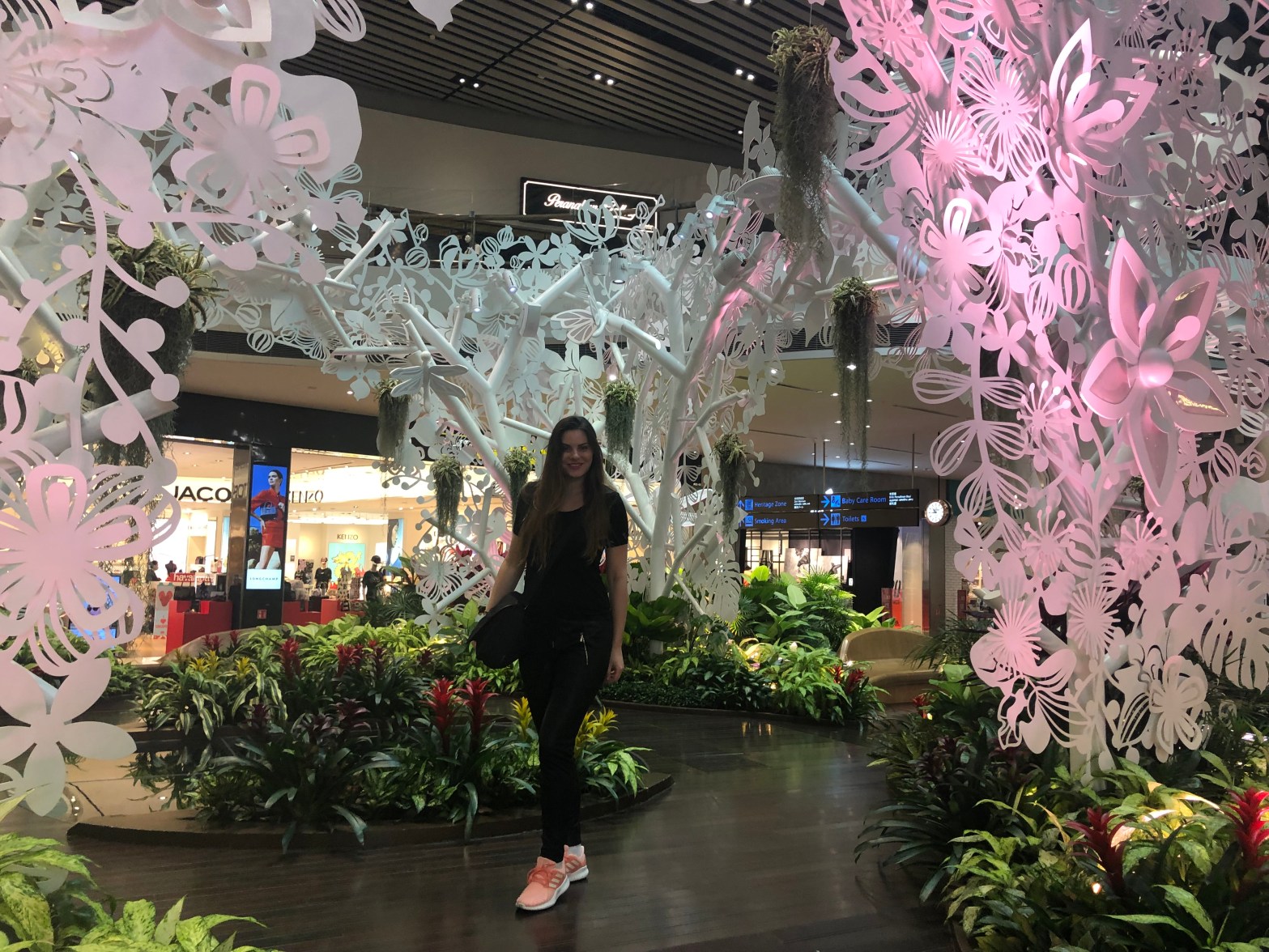
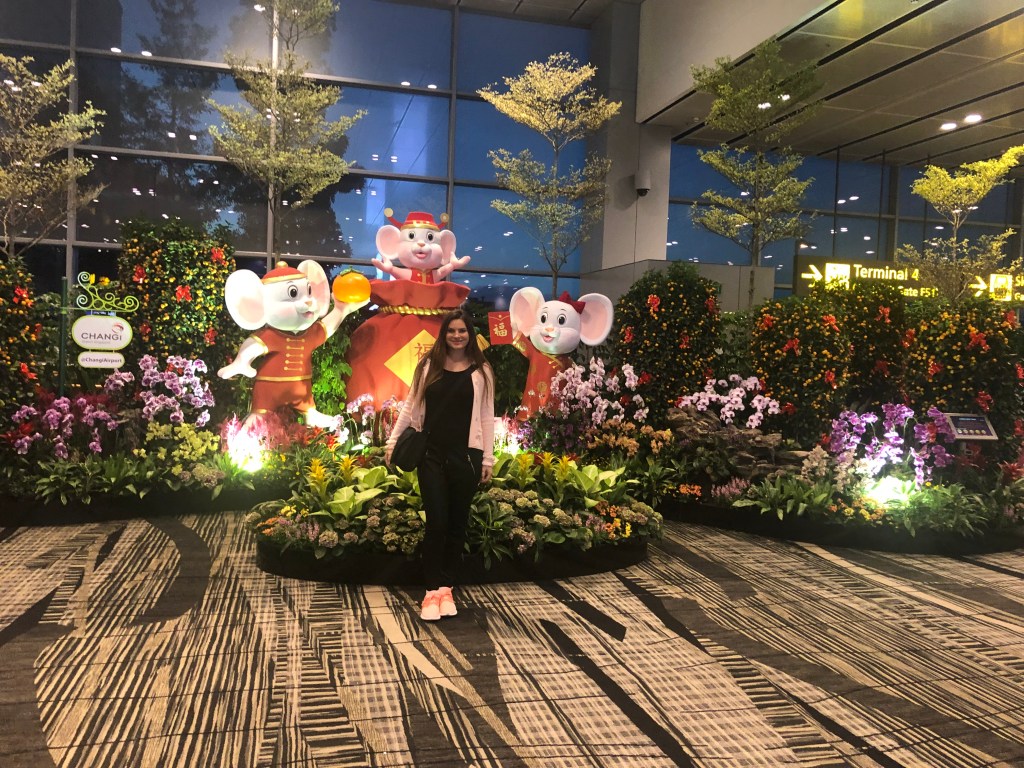
After the 11-hour long flight to Singapore, we were surprised to feel surprisingly well. We were a bit concerned about the tight 2.5-hour layover, which involved picking up our luggage, changing terminals from terminal 3 to terminal 4 (requiring a bus ride), and checking in our luggage again for the flight to Manila. Since we were flying with non-partner airlines, we couldn’t check in our luggage all the way to Manila from Copenhagen. However, to our relief, the process went faster than expected, and we found ourselves at our gate well before the boarding time. It’s uncertain whether the efficient system in Singapore contributed to the smooth experience of leaving and entering the airport or if it was due to the lower number of passengers traveling because of the coronavirus situation.


The flight to Manila with Cebu Pacific was a bit less enjoyable compared to the previous one. Although we felt fine after the 11-hour flight, the 3.5-hour journey to Manila proved to be more challenging. The combination of jet lag and lack of sleep made it tougher, and the discomfort of the seats, which couldn’t be reclined, didn’t help either.

Arriving at the seemingly empty Manila airport, we hopped into a taxi and headed to our hotel. To our surprise, the ride to Makati was surprisingly short, contrary to the warnings I had read about the heavy traffic in Manila. It took us just around 15 minutes! The well-organized and tidy surroundings along the road were also a pleasant surprise, as I had heard frightening tales about Manila, but in this part of the city, everything appeared well-maintained. While I am aware that there are better and worse neighborhoods in Manila, the route to Makati presented a pleasant and well-kept atmosphere.

Upon arriving at 2:30 PM, we had initially planned to take a short 1-2 hour nap, relax at the rooftop pool, and then explore Makati, the upscale neighborhood where our hotel was located. However, we were so exhausted that we decided to hit the streets right away for a few hours of sightseeing and then call it an early night. We knew that if we fell asleep immediately, we’d end up sleeping through the whole evening and miss out on experiencing the city. In hindsight, we realized that it might have been a good idea to spend a night in Singapore before continuing our journey.

Looking forward to sharing more about my Makati adventures tomorrow! Wishing you a wonderful evening (or day, depending on your location)!

Traveling during the Coronavirus (Covid-19)

You might be curious about how it was to travel during the coronavirus outbreak. Last week, I came back from the Philippines and Singapore (I will of course write all about it!). I must admit that I was very lucky to be back on time before all the chaos started. I was back on Tuesday evening last week, and on Thursday it was already announced that my whole country, Norway, would soon be under lockdown and that everyone who is abroad should come back immediately. It was also decided that everyone who had been outside of the nordic countries, had to be under quarantine for 2 weeks (so here I am!). Basically, we made it just in time before all the chaos started. My dad, on the other hand, just came back from the Dominican Republic yesterday and most of his vacation was ruined because of fear of not coming back to Norway. One of his return tickets was cancelled, but luckily he was able to rebook it for free.

There were some things that really caught my attention. First, when I told people I was going to the Philippines and Singapore, they were really surprised that I would go there during the coronavirus outbreak. They did, however, not think about that there were many more cases in Norway than in Singapore and the Philippines together! The whole time we were in the Philippines, there were only 3 coronavirus cases. Not sure if they maybe confused the Hubei province in China with the whole Asia? Of course, I am aware of that you can never know where and when you meet someone who is infected. Either way, the people I talked to were really afraid that I would bring the coronavirus to Norway, and insisted on me staying at home. On the second day after we arrived, I went to the grocery store to buy all the necessities, because I knew the country would probably soon be on lockdown, and also because people were going crazy with buying stuff for several months! Meanwhile, it had been announced that people who had been abroad had to stay at home. The difference between isolation and quarantine was of course also specified, even the fact that when you are under quarantine you CAN still go to the grocery store as long as you don’t go there during “rush hours” and keep a 1 metre distance from others. Still, I received several angry messages from people telling me that I am not following the rules and that I have to be at home because I am posing a risk to others. Fine, I haven’t stepped outside ever since.

I think it is also important that I mention the measures taken in Singapore and the Philippines vs in Norway and Europe in general. Ever since we landed in Asia, we were constantly being asked to fill out forms regarding the coronavirus, we were checked for fever everywhere (airports, shopping malls, every time we entered our hotel!), everything was being disinfected and washed all the time, there was plastic on elevator buttons that was frequently changed, there were hand sanitisers available for use on every corner etc. There were no Chinese or Koreans allowed inside the country because of the outbreak, plus many people of other nationalities did not travel because of fear, so there were only around 20 percent of the normal amount of tourists on Palawan and Boracay, and the planes were empty. Because of the little amount of people, and because of all the measures taken, we felt very safe. When we arrived in Norway, however, there was nothing. No questions, no fever being checked, and the same applies to London where we had our stopover on the way back. I personally found this very strange. I know that Norway don’t see the point in checking people’s fever because one can transmit the disease even before having symptoms, but it could at least stop some of the cases. Instead, there were hundreds of people in the supermarkets panicking that there would not be any food of toilet paper left for them. Understandable, but isn’t that the easiest way to get infected? So many people in one place, touching everything and checking for the expiry date. To me, that was the stupidest thing ever, how come they even let that many people inside of the grocery store at the same time??? Now that it’s been 9 days since I came back from Singapore, and still don’t have any symptoms, I am much more afraid that I might have caught the coronavirus while grocery shopping in Norway… I know one thing, once this quarantine time is over, I will keep on staying inside until this whole situation has calmed down, because here in Norway, a lot must still be done to decrease the number of cases. I can imagine that this week, there will be a drastic increase of the coronavirus cases after all the “irresponsible” grocery shopping. Just my thought.
Stay home and be safe everyone!

Design a site like this with WordPress.com
Get started